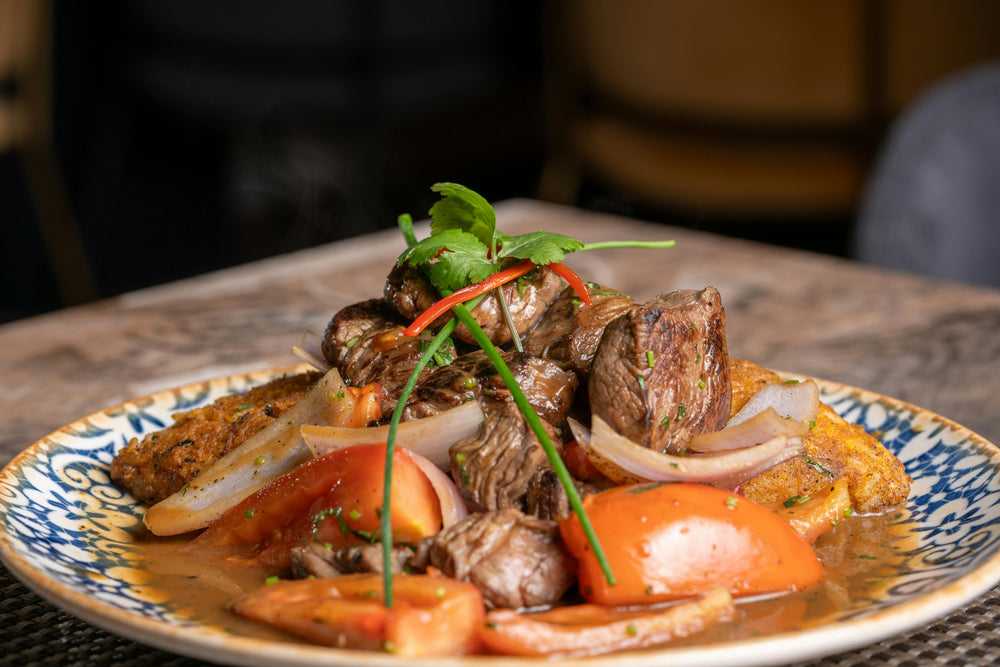
LIMA, PERU | "La Capital Gastronómica del Mundo"
Lima is the gastronomic capital of the world and the most underrated major city in South America, a Pacific coast metropolis of eleven million people spread across the flat desert cliffs above the ocean, where the extraordinary diversity of the Peruvian ecosystem from the Amazon to the Andes to the cold Humboldt Current produces the most varied and refined culinary tradition in the Americas. The city was founded as the City of Kings by Francisco Pizarro in 1535 as the capital of the Spanish Viceroyalty of Peru, and the colonial architecture of the Centro Histórico, the baroque facades of the Plaza Mayor, the carved wooden balconies of the Archbishop's Palace, and the Renaissance churches of the historic center, is a UNESCO World Heritage Site that documents the ambition of Spanish colonial power at its most confident.
The palette of Lima is defined by the garúa, the coastal fog that covers the city from June through November in a soft grey light that is unlike the tropical sun of the rest of South America, everything in Lima is seen through a diffuse, even, shadowless illumination that is cool and specific and that makes the city's muted terracotta and cream colonial facades glow with a quiet beauty that direct sunlight would destroy.