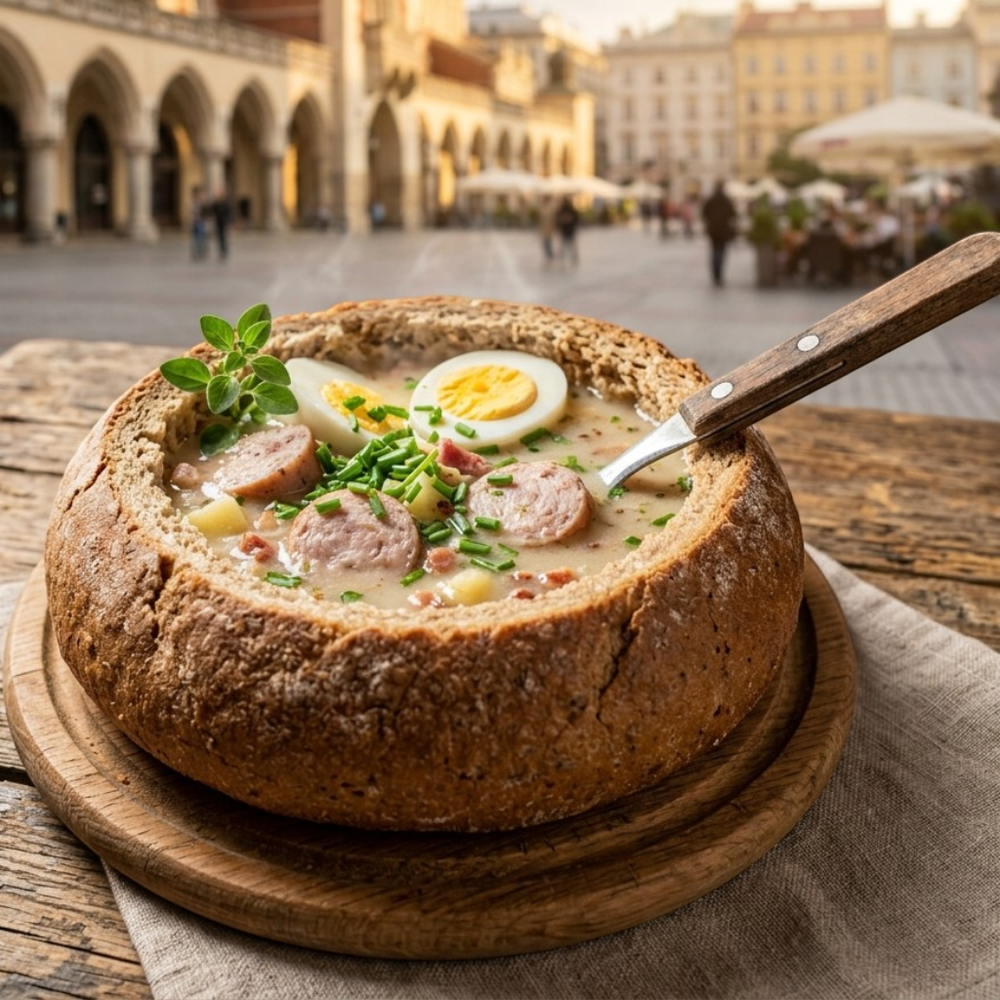
Local Cuisine Spotlight

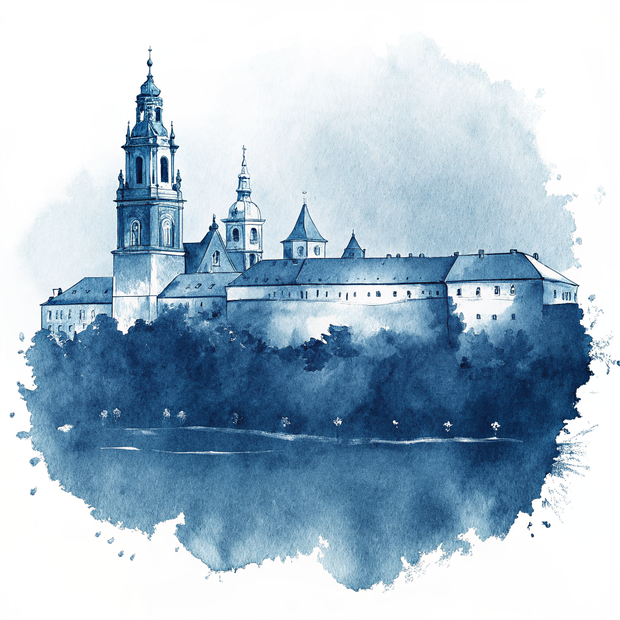
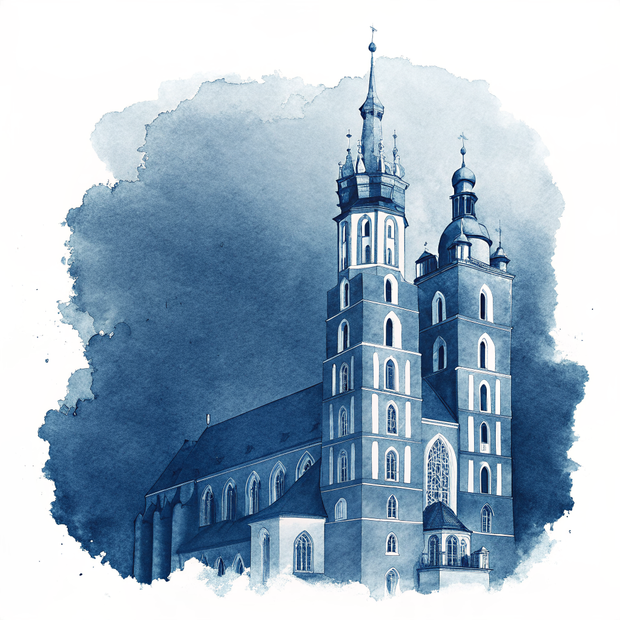
Now representing Krakow — 1 original piece, each hand-crafted in watercolor.
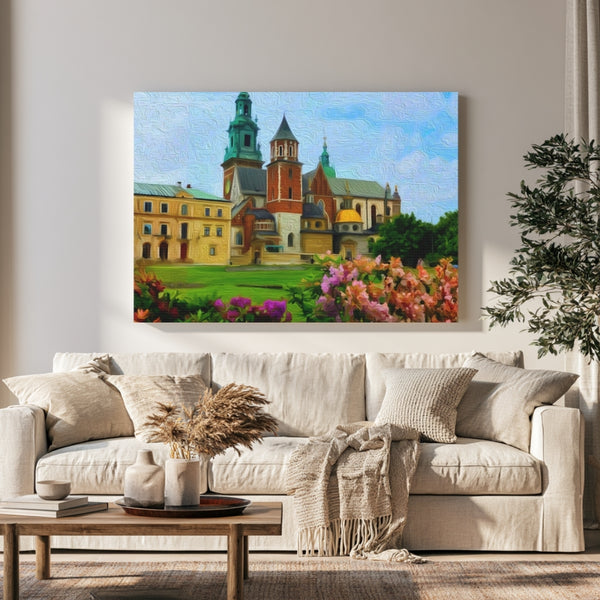
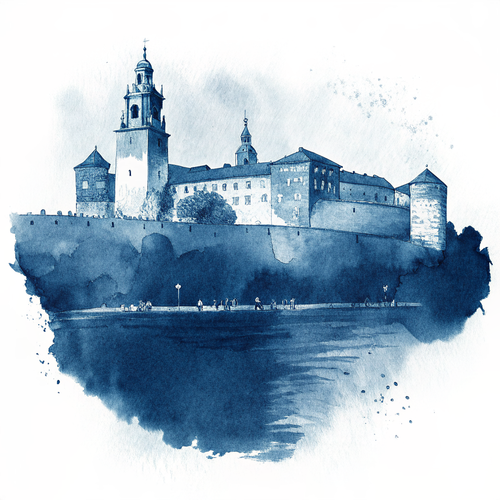
Krakow carries its centuries lightly, wearing the weight of Polish kings, Jewish scholars, wartime ghosts, and Renaissance merchants in every stone facade and vaulted cellar. The light here has a particular quality in the morning, angling low across Rynek Glowny and turning the honey-coloured townhouses into something close to amber, warm and slightly unreal. It is one of the few Central European cities that survived the Second World War largely intact, which means walking its streets feels like stepping through a living archive rather than a reconstruction. The Wawel hill anchors everything, a limestone bluff rising above the Vistula with a castle and cathedral that have watched over this city for nearly a thousand years.
Every canvas is painted from a real place. Explore the map to see exactly where each scene lives — and wander Krakow the way a traveler would, one landmark at a time.
Keep Exploring
Archival Note: A curated field study of Krakow, Poland, prioritizing the specific atmospheric stillness of the region. These artifacts have been meticulously sourced from our global archival partners to represent the area's unique cultural frequency and environmental character. This selection serves as a formal observation for our ongoing global archive, vetted for its visual accuracy and archival merit.


Archival Note: A curated field study of Krakow, Poland, prioritizing cultural relevance and archival merit. These locations have been meticulously researched and vetted to ensure they represent the most authentic atmosphere for your own expedition.
Archival Note: A formal technical study of Krakow, Poland, archiving the coordinates, elevation, and environmental data that define the region. This data serves as a vital record for our ongoing global field study, providing the technical foundation behind every atmospheric detail captured in our visual work.
 Colors of Krakow, Poland

via / Alexander Zvir


