Shop the Collection

To help you build your own global archive, we've prepared this collection of watercolor studies from our research into Kanazawa, Japan. These artifacts are designed to bring the stillness of this corner of the world into your home.

Original Series Decorative Magnet

A personal study of Kanazawa, Japan, captured in high-fidelity watercolor and prepared for your collection.

Kanazawa, Japan | Historic Higashi Chaya District | Original Series Decorative Magnet
Add to Collection / $18
Exclusive Series Artifact

Original Series Gallery Canvas

This high-fidelity canvas is a beautiful way to anchor a room and keep your memories of Kanazawa, Japan fresh long after you've returned home.

Kanazawa, Japan | Historic Higashi Chaya District | Original Series Gallery Canvas detail Kanazawa, Japan | Historic Higashi Chaya District | Original Series Gallery Canvas detail Kanazawa, Japan | Historic Higashi Chaya District | Original Series Gallery Canvas detail Kanazawa, Japan | Historic Higashi Chaya District | Original Series Gallery Canvas detail
Add to Collection / $65

Original Series Hardboard Coaster

A personal study of Kanazawa, Japan, captured in high-fidelity watercolor and prepared for your collection.

Kanazawa, Japan | Historic Higashi Chaya District | Original Series Hardboard Coaster
Add to Collection / $18
Exclusive Series Artifact

The Spirit of the Land

Archival Note: A curated field study of Kanazawa, Japan, prioritizing the specific atmospheric stillness of the region. These artifacts have been meticulously sourced from our global archival partners to represent the area's unique cultural frequency and environmental character. This selection serves as a formal observation for our ongoing global archive, vetted for its visual accuracy and archival merit.

Kanazawa, Japan study No. 01
Kanazawa, Japan / 01 VIA / NaturEye Conservation
Sunlight streams across the flagstone walkway of this quiet Kanazawa alley, casting sharp shadows between the weathered wooden buildings that line both sides. The dark timber facades, with their characteristic latticed shutters and earth-toned doors, create a serene passage that feels suspended in time. This moment captures the authentic texture of Kanazawa's historic geisha districts, where the interplay of light and shadow reveals the careful craftsmanship of centuries-old architecture.
Kanazawa, Japan study No. 02
Kanazawa, Japan / 02 VIA / Yu Lin Chen
The warm amber glow of traditional lanterns bathes the empty wooden facades of this historic geisha district, creating an intimate and nostalgic atmosphere. Standing here at night, one would experience the profound quietness and serenity of old Japan, with the soft light casting gentle shadows across the wooden lattice screens and stone pathway. The gentle illumination evokes a timeless quality, as if stepping back into centuries past.
Kanazawa, Japan study No. 03
Kanazawa, Japan / 03 VIA / Akira Deng
This tranquil scene captures the essence of Kanazawa's famous gardens, where meticulously maintained landscapes meet reflected sky and water. The wooden boathouse nestled among the trees demonstrates the garden's architectural harmony with nature. Most visitors overlook the subtle moss-covered stone formations in the foreground, their soft green texture adding depth and age to this peaceful composition.

Where to wander

Archival Note: A curated field study of Kanazawa, Japan, prioritizing cultural relevance and archival merit. While we haven't touched down here yet, we've meticulously vetted these locations through our global network of contributors to ensure they represent the most authentic atmosphere for your own expedition.

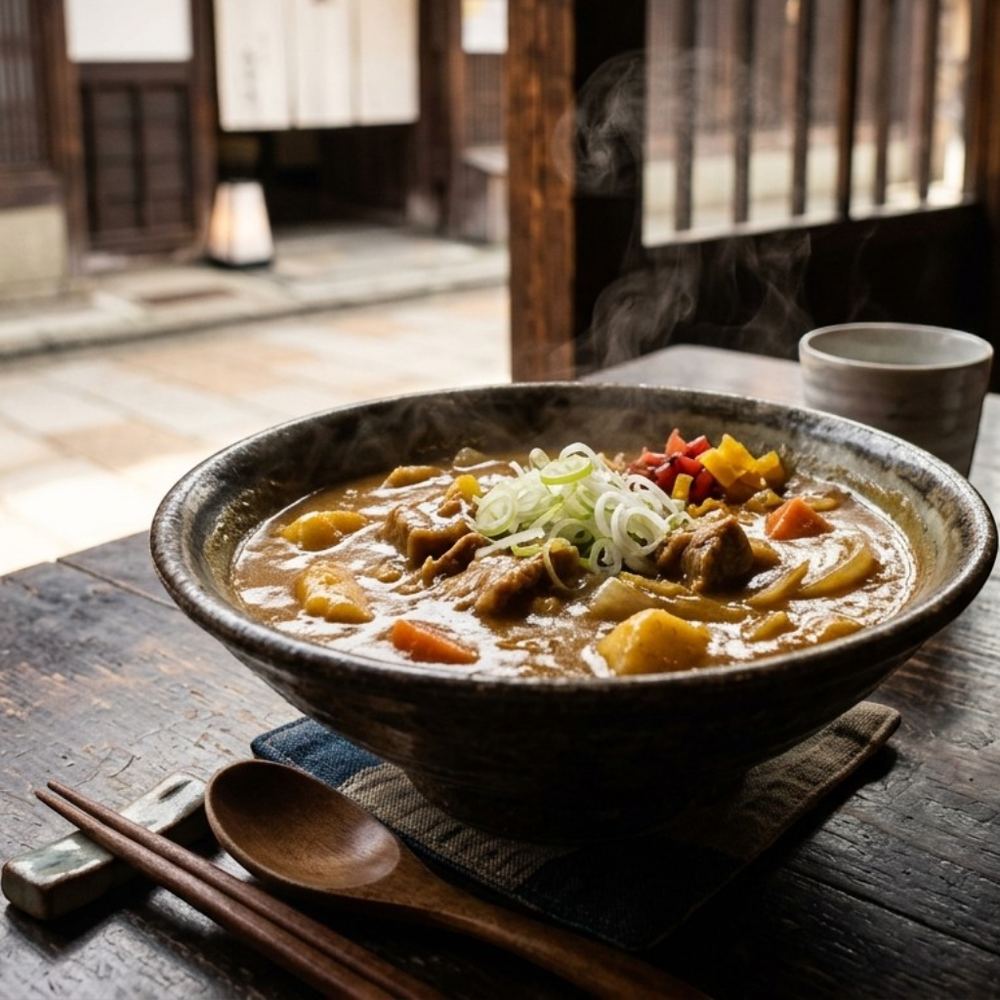
Local Cuisine Spotlight
This warming miso soup embodies the soul of Kanazawa cuisine, its deeply savory broth infused with umami-rich ingredients and crowned with delicate scallion slices and vibrant red peppers. The rustic ceramic vessel and carefully arranged accompaniments reflect the Japanese philosophy of presenting nourishment as a complete sensory and spiritual experience.
Credits: THE PAINTED PASSPORT
Local cuisine study in Kanazawa, Japan

☕︎ Local Flavor

Omicho Ichiba Market Stalls

Rating: 5* | Price: $ | Coordinates: 36.5712, 136.6561

Known as Kanazawa's kitchen, this bustling covered market bursts with the freshest seafood pulled straight from the Sea of Japan each morning. Tiny stalls serve steaming bowls of donburi topped with glossy snow crab, sweet shrimp, and buttery tuna belly at unbeatable prices. Arriving early rewards you with the most prized cuts before the morning crowd claims them.

View Entry Details

Janome Sushi Honten

Rating: 5* | Price: $$$ | Coordinates: 36.5681, 136.6548

This revered sushi institution has served Kanazawa's finest nigiri for over a century from its intimate wooden counter. Master chefs craft each piece with local Noto Peninsula seafood, aging and seasoning fish with an expertise that borders on poetry. The omakase course is an education in coastal flavors, ending memorably with house-made sweet soy and warm miso soup.

View Entry Details

Legare

Rating: 4* | Price: $$$$ | Coordinates: 36.5603, 136.6573

A refined Italian restaurant with a distinct Kanazawa soul, Legare weaves local ingredients like Kaga carrots and Noto salt into beautifully plated European cuisine. The candlelit dining room feels romantic yet relaxed, attracting both anniversary couples and curious solo travelers. House-made pasta dishes finished with local sea urchin are the undisputed highlight of any visit.

View Entry Details

Tamazushi

Rating: 4* | Price: $$ | Coordinates: 36.5660, 136.6534

A cheerful kaiten sushi restaurant beloved by locals for its honest quality and generous portions without the intimidating formality. Colorful plates circle the counter showcasing everything from local yellowtail to creative rolls crowned with gold-leaf flakes as a nod to Kanazawa's heritage. The friendly chefs will happily explain each seasonal special if you ask with a smile.

View Entry Details

🛌︎ Boutique Stays

Hyatt Centric Kanazawa

Rating: 5* | Price: $$$$ | Coordinates: 36.5613, 136.6562

A sleek modern hotel positioned perfectly in the heart of Kanazawa's city center. Rooms offer stunning views of the surrounding mountains and cityscape, blending contemporary design with subtle Japanese aesthetics. The attentive staff make every guest feel genuinely welcomed in this refined urban retreat.

View Entry Details

Kanazawa Hakuchoro Hotel Sanraku

Rating: 4* | Price: $$$ | Coordinates: 36.5598, 136.6489

This elegant ryokan-influenced hotel sits beside the tranquil Saigawa River, offering a soothing escape from the city bustle. Traditional tatami rooms come with deep wooden soaking tubs and seasonal kaiseki breakfast served with quiet ceremony. Waking up to birdsong and river mist here feels like stepping into a haiku.

View Entry Details

Dormy Inn Kanazawa

Rating: 3* | Price: $$ | Coordinates: 36.5650, 136.6571

A beloved budget-friendly chain hotel that punches well above its price with its legendary natural hot spring baths on the top floor. Rooms are compact but thoughtfully organized, with soft lighting and clean linens that invite a good night's rest. The late-night ramen service is a delightful local tradition guests keep coming back for.

View Entry Details

Kanachu Hotel Kanazawa

Rating: 4* | Price: $$$ | Coordinates: 36.5783, 136.6478

Nestled near the verdant Kenroku-en garden, this charming hotel offers easy access to Kanazawa's most beloved cultural landmarks. Interior design draws on the city's rich lacquerware and gold-leaf traditions, giving each room a warm, artisan character. Guests praise the seasonal hot-pot dinners that showcase the finest local Kaga vegetables.

View Entry Details

📍︎ Field Study

Kenroku-en Garden

Rating: 5* | Price: $ | Coordinates: 36.5612, 136.6622

Ranked among Japan's three most celebrated landscape gardens, Kenroku-en is a masterpiece of sculpted beauty across every season. Ancient twisted pine trees, stone lanterns, and mirror-still ponds create a meditative atmosphere that slows even the most hurried visitor down. Winter is particularly magical when the conical yukitsuri rope supports cradle snow-laden branches like gentle hands.

View Entry Details

Higashi Chaya District

Rating: 5* | Price: Free | Coordinates: 36.5731, 136.6619

Kanazawa's best-preserved geisha district unfolds along a quiet street of elegant latticed townhouses that feel untouched by modern time. Ochaya teahouses still host exclusive evening performances, and several have opened their beautifully appointed interiors to daytime visitors. Stopping for a matcha and gold-leaf ice cream while listening to distant shamisen music is an experience that lingers long after you leave.

View Entry Details

Kanazawa Castle Park

Rating: 4* | Price: $ | Coordinates: 36.5641, 136.6596

The sweeping white walls and iconic Ishikawamon Gate of Kanazawa Castle stand as proud symbols of the powerful Maeda clan who shaped this city for centuries. Beautifully restored turrets and storehouses reveal clever architectural secrets, including lead-lined roofs once used to manufacture ammunition in wartime. Strolling the wide moat-lined paths at dusk, with the castle glowing softly, is one of Kanazawa's most quietly moving experiences.

View Entry Details

21st Century Museum of Contemporary Art

Rating: 5* | Price: $$ | Coordinates: 36.5608, 136.6566

This stunning circular glass museum sits at the cultural heart of Kanazawa, challenging visitors with bold and playful installations from world-class artists. The famous Leandro Erlich swimming pool installation, where visitors appear to walk underwater, consistently draws gasps and wide smiles from every crowd. The building itself, free to enter at its periphery, acts as a vibrant public gathering space blurring the line between art and everyday life.

View Entry Details

Typography

Archival Note: A formal technical study of Kanazawa, Japan—archiving the coordinates, elevation, and environmental data that define the region. This data serves as a vital record for our ongoing global field study, allowing us to reconstruct the regional atmosphere with archival precision before our physical arrival.

Botanical and pigment specimen study for Kanazawa, Japan Colors of Kanazawa, Japan
Coordinates
36.5613° N, 136.6562° E — Central Kanazawa, Ishikawa Prefecture, Honshu, Japan
Historical Epoch
Kanazawa flourished under the Maeda clan from 1583 through the Meiji era, becoming Japan's richest domain outside Edo. Its cultural legacy in noh, ceramics, and gold leaf craftsmanship dates directly to that era of feudal patronage.
Elevation
5-50 m / 16-164 ft - Low-lying coastal plain city on the Noto Peninsula facing the Sea of Japan, rising gently toward the Kenroku-en plateau
Atmosphere
Cfa - Humid Subtropical with heavy winter snowfall. Kanazawa receives more snow than most Japanese cities at this latitude, giving it moody, dramatic winters and lush, vivid summers.
Observation Hour
07:15 - Morning mist over Kenroku-en softens every edge and the low sun catches the pond surface in a way that turns the garden briefly golden. This hour is quiet and largely tourist-free.
Primary Pigment
Kaga Green (#4A6741) and Gold Leaf Amber (#C9922A)
Best Time to Visit
April through May - Cherry blossoms fill Kenroku-en and mild temperatures make long days of walking through historic districts genuinely pleasant.
Avoid Visiting
January through February - Heavy Sea of Japan snowfall brings beauty but also disruption, limited hours, and cold that demands serious preparation.

The Local Tongue

Language is the invisible architecture of Kanazawa, Japan. These entries document the regional vocabulary—capturing the "texture" of local speech that standard translations often miss. Hand-curated expressions reflecting the specific spirit and daily rhythm of the region.
Archival study of Japanese cultural texture

via / Julien

Primary Language Japanese
Regional Dialect Kaga-ben (Kanazawa dialect)

Wabi-sabi (侘寂)

Wabi-sabi (侘寂) describes the beauty of imperfection and transience. In Kenroku-en, this philosophy is felt physically in the moss-covered stone lanterns and the asymmetrical placement of pine branches, where nothing is forced into symmetry and every weathered surface is considered more beautiful for having aged.

Ma (間)

Ma (間) translates roughly as negative space or meaningful pause, and it governs everything from garden design to conversation rhythm in Kanazawa. A visitor standing at the edge of the Kasumigaike Pond at dusk will feel it in the silence between birdsong, in the deliberate emptiness that makes the reflection of the sky feel intentional rather than accidental.

Kanazawa-hyakumangoku (金沢百万石)

Kanazawa-hyakumangoku (金沢百万石) refers to the historic rice yield of one million koku that defined the city's feudal wealth and cultural ambition. That abundance funded noh theater, lacquerware guilds, and the gold leaf craft that still lines temple ceilings today, and locals invoke the phrase with a kind of affectionate civic pride particular to this city alone.

Wait! before you go...

Before you head over to Kanazawa, Japan, we’ve audited the essential data points for this corner of the world. These notes cover the logistics—from currency ratios to transit hubs—to help you navigate the landscape with clarity.
🚲 Getting Around Kanazawa is best navigated by the Kanazawa Loop Bus, which connects major districts on a single flat fare and runs frequently. Taxis are reliable for evening travel in the Chaya districts, and the compact central city is very walkable once orientation is established.
⚖️ Cash or Card Cash remains essential in Kanazawa, particularly at traditional market stalls in Omicho, smaller sushi counters, and craft shops in the Higashi Chaya district. Card acceptance is growing at hotels and larger restaurants, but carrying yen is strongly advised to avoid awkward moments at beloved local spots.
☁️ Good to Know Kanazawa residents carry a quiet pride in their city's cultural depth and can be reserved with visitors who treat it as a brief day trip. Slowing down, removing shoes without being prompted, and showing genuine interest in craft traditions will open conversations that a rushed itinerary never would.
🏧 ATMs Seven Bank and Japan Post ATMs accept international cards most reliably and are found at the main post office near Kanazawa Station and inside many convenience stores citywide. Withdrawals are straightforward but daily limits on foreign cards can apply, so planning ahead before heading into the Chaya districts is sensible.
💳 Currency The Japanese Yen (JPY) is the sole currency and is non-negotiable in price. Banknotes are treated with visible respect here, often handled with two hands and tucked neatly into small trays at shop counters rather than passed directly between hands.
🔌 Plugs Japan uses Type A outlets at 100V, 50Hz. Most devices from North America work without adapters, but European and Australian visitors will need a plug adapter.
🛡️ Safety Kanazawa is an exceptionally safe city by any global standard, with very low crime and a culture of civic care that extends to well-lit streets and attentive locals. The main practical concern for visitors is uneven cobblestone paths in the historic districts, particularly after rain, so comfortable footwear with grip is genuinely worthwhile.
✈️ Airports Komatsu Airport (KMQ) serves Kanazawa with domestic connections to Tokyo and Osaka, sitting approximately 30 kilometers south of the city center with a direct bus link to Kanazawa Station. Many international visitors arrive by shinkansen via Kanazawa Station, connected since 2015 to Tokyo in under three hours on the Hokuriku Shinkansen.

Behind The Scenes

Nathan

Note from the Founder

Hey, did you know this fun fact about Kanazawa, Japan? Kanazawa produces over 98 percent of all gold leaf made in Japan. The craft has been practiced here since the Edo period and today supplies temples, confections, cosmetics, and artisan goods sold throughout the country.
Thank you for exploring the Kanazawa, Japan series with us. We hope these notes have inspired you to add this incredible destination to your own passport—we are so glad you're here. — Nathan

Some of our Favorites