Shop the Collection

To help you build your own global archive, we've prepared this collection of watercolor studies from our research into Ilha de Moçambique, Mozambique. These artifacts are designed to bring the stillness of this corner of the world into your home.

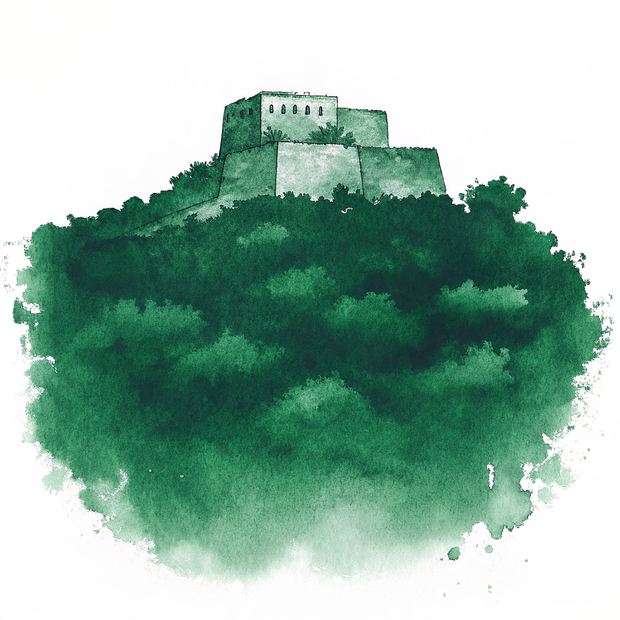
Original Series Decorative Magnet

A personal study of Ilha de Moçambique, Mozambique, captured in high-fidelity watercolor and prepared for your collection.

Ilha de Moçambique, Mozambique | Historic Island Coastal Waterfront | Original Series Decorative Magnet
Add to Collection / $18
Exclusive Series Artifact

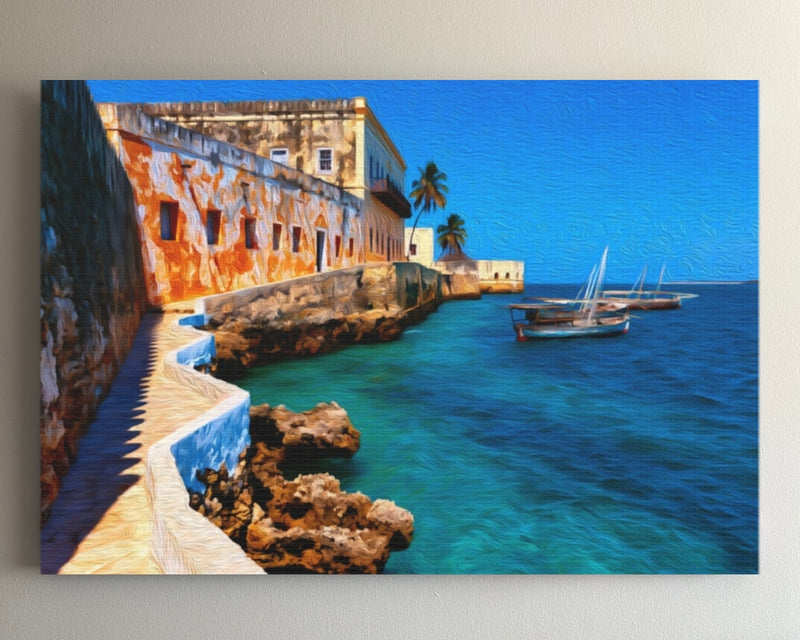
Original Series Gallery Canvas

This high-fidelity canvas is a beautiful way to anchor a room and keep your memories of Ilha de Moçambique, Mozambique fresh long after you've returned home.

Ilha de Moçambique, Mozambique | Historic Island Coastal Waterfront | Original Series Gallery Canvas detail Ilha de Moçambique, Mozambique | Historic Island Coastal Waterfront | Original Series Gallery Canvas detail Ilha de Moçambique, Mozambique | Historic Island Coastal Waterfront | Original Series Gallery Canvas detail Ilha de Moçambique, Mozambique | Historic Island Coastal Waterfront | Original Series Gallery Canvas detail
Add to Collection / $65

Original Series Hardboard Coaster

A personal study of Ilha de Moçambique, Mozambique, captured in high-fidelity watercolor and prepared for your collection.

Ilha de Moçambique, Mozambique | Historic Island Coastal Waterfront | Original Series Hardboard Coaster
Add to Collection / $18
Exclusive Series Artifact

The Spirit of the Land

Archival Note: A curated field study of Ilha de Moçambique, Mozambique, prioritizing the specific atmospheric stillness of the region. These artifacts have been meticulously sourced from our global archival partners to represent the area's unique cultural frequency and environmental character. This selection serves as a formal observation for our ongoing global archive, vetted for its visual accuracy and archival merit.

Ilha de Moçambique, Mozambique study No. 01
Ilha de Moçambique, Mozambique / 01 VIA / Leonardo Marçal
The crystalline turquoise waters reveal the sandy bottom and scattered boats in brilliant detail, their hulls painted in vibrant blues, yellows, and reds. Golden afternoon light bathes the pristine beach where locals and visitors move about near wooden structures and beached watercraft. This moment captures the unhurried rhythm of island life, where the boundary between sea and shore blurs into a harmonious display of color and activity.
Ilha de Moçambique, Mozambique study No. 02
Ilha de Moçambique, Mozambique / 02 VIA / Keegan Checks
The soft afternoon light bathes the historic waterfront in warm, inviting tones, creating a serene and timeless atmosphere. Standing here, one would feel the gentle sea breeze carrying the salt air while taking in the peaceful coexistence of colonial architecture and traditional maritime culture. The calm waters and scattered boats suggest a place where time moves slowly, offering a sense of tranquility and cultural immersion.
Ilha de Moçambique, Mozambique study No. 03
Ilha de Moçambique, Mozambique / 03 VIA / Ina Ramírez
This colonial-era church exemplifies the architectural heritage of Ilha de Moçambique, with its weathered limestone walls and intricate carved details speaking to centuries of history. The striking contrast between the ornamental doorway and the austere brick surroundings reveals the layered construction of the island's fortified structures. Often overlooked is the humble olive tree growing at the building's base, a living testament to the persistence of nature amid these monuments to human ambition and faith.

Where to wander

Archival Note: A curated field study of Ilha de Moçambique, Mozambique, prioritizing cultural relevance and archival merit. These locations have been meticulously researched and vetted to ensure they represent the most authentic atmosphere for your own expedition.

Local Cuisine Spotlight
This grilled fish showcases the flavors of the Mozambican coast, its smoky char balanced by aromatic cilantro and the bright acidity of fresh lime. The tender, flaky flesh pairs beautifully with creamy coconut rice infused with local spices. It's a dish that captures the essence of island dining where ocean breezes and simple, elegant ingredients create unforgettable memories.
Credits: THE PAINTED PASSPORT
Local cuisine study in Ilha de Moçambique, Mozambique

☕︎ Local Flavor

Patio do Fortaleza Restaurant

Rating: 5* | Price: $$$ | Coordinates: -15.0310, 40.7340

Dining in the shadow of the ancient Fort of São Sebastião, this open-air restaurant delivers an atmosphere that is as memorable as the food on the plate. The menu leans heavily on freshly caught seafood, with grilled prawns and coconut curry crab drawing the most loyal following among repeat visitors. Local musicians often perform in the evenings, turning a simple dinner into a richly layered cultural experience.

View Entry Details

Restaurante Ancora

Rating: 4* | Price: $$ | Coordinates: -15.0360, 40.7315

A beloved fixture among islanders and adventurous travelers alike, Ancora serves honest, flavor-forward Mozambican cooking made from ingredients sourced directly from local fishermen and market vendors each morning. The peri-peri fish is a standout dish, arriving at the table sizzling and fragrant with a homemade sauce that has been perfected over many years. The relaxed terrace overlooking a narrow cobblestone street makes lingering over a cold Dois M beer completely irresistible.

View Entry Details

Mercado de Peixe Seafood Stalls

Rating: 4* | Price: $ | Coordinates: -15.0390, 40.7300

The fish market near the southern causeway transforms into an open-air feast at lunchtime, with local women grilling freshly landed octopus, squid, and reef fish over charcoal braziers right before your eyes. Eating here is a full sensory experience, surrounded by the salty sea breeze, the sounds of the harbor, and the warmth of vendors proud to share their daily catch. It offers some of the most authentic and affordable eating on the entire island with portions generous enough to satisfy any appetite.

View Entry Details

Cafe Nicola Island

Rating: 4* | Price: $ | Coordinates: -15.0345, 40.7325

This tiny cafe tucked into a pastel-colored colonial building is the best place on the island to start a slow morning with thick espresso and freshly baked cassava rolls still warm from the oven. The owner sources her beans from the Mozambican highlands and takes obvious pride in brewing each cup with patience and attention to detail. It also serves simple lunch plates of rice, beans, and seasonal vegetables that are comforting, nourishing, and deeply rooted in local culinary tradition.

View Entry Details

🛌︎ Boutique Stays

Coral Lodge 15.41

Rating: 5* | Price: $$$$ | Coordinates: -15.0333, 40.7333

This intimate boutique lodge offers stunning Indian Ocean views from its elegant stone and thatch villas perched above the water. Each suite is beautifully decorated with local Makonde art and hand-carved wooden furniture that celebrates Mozambican craftsmanship. The staff provides deeply personal service, arranging snorkeling excursions and sunset dhow cruises that make every visit unforgettable.

View Entry Details

Omuhipiti Island House

Rating: 4* | Price: $$$ | Coordinates: -15.0350, 40.7310

Nestled within a beautifully restored colonial-era building on the Stone Town side of the island, this guesthouse blends Portuguese heritage with warm African hospitality. Thick whitewashed walls keep rooms naturally cool, and the rooftop terrace offers breathtaking views over the bay toward the mainland. Breakfasts feature fresh tropical fruit, local bread, and strong Mozambican coffee served with genuine care.

View Entry Details

Casuarina Beach Camp

Rating: 3* | Price: $$ | Coordinates: -15.0420, 40.7280

This laid-back beachside camp on the northern end of the island is perfect for travelers who want a simple, soulful connection with the sea and local life. Comfortable bungalows sit beneath a canopy of casuarina trees just steps from a quiet sandy beach rarely visited by tourists. The owners are passionate locals who share stories about island history and can guide you to hidden spots most visitors never discover.

View Entry Details

Casa Branca Guesthouse

Rating: 3* | Price: $ | Coordinates: -15.0380, 40.7320

This charming budget guesthouse occupies a lovingly maintained colonial house with high ceilings, colorful tiles, and a courtyard garden full of bougainvillea. Rooms are simple but spotlessly clean, and the owners treat guests more like family than paying customers. Its central location in Stone Town makes it an ideal base for exploring the island's UNESCO-listed architecture and busy morning market.

View Entry Details

📍︎ Field Study

Fort of São Sebastião

Rating: 5* | Price: $ | Coordinates: -15.0290, 40.7350

Built by the Portuguese in the sixteenth century, this imposing coral stone fortress at the northern tip of the island is one of the oldest and best-preserved European buildings in sub-Saharan Africa. Walking its ramparts with the Indian Ocean stretching endlessly in every direction produces a feeling of awe that photographs simply cannot capture. Visiting at sunrise, when golden light pours across the ancient stone walls and dhows glide silently past below, is a genuinely moving and unforgettable experience.

View Entry Details

Palace and Chapel of São Paulo

Rating: 5* | Price: $ | Coordinates: -15.0330, 40.7335

Once the residence of Portuguese governors and later a Jesuit college, this magnificent seventeenth-century palace now houses the National Museum of Art and features one of the finest collections of Indo-Portuguese furniture and sacred art in all of Africa. The carved wooden ceilings, blue-and-white azulejo tile panels, and ornate baroque chapel transport visitors to a layered colonial past that is both fascinating and complex. A knowledgeable local guide can add extraordinary context to the artifacts, connecting centuries of history to the living culture of the island today.

View Entry Details

Macuti Beach and Lighthouse

Rating: 4* | Price: Free | Coordinates: -15.0450, 40.7270

The rusting hulk of a shipwreck half-buried in the sand near the old lighthouse at Macuti Beach is one of the island's most haunting and photogenic landmarks, especially at low tide when its full scale becomes visible. The surrounding beach is quieter and more local in character than the Stone Town side, giving visitors a chance to watch children playing football and fishermen repairing nets without any tourist infrastructure in the way. The lighthouse itself, still operational today, stands as a reminder of how this small island once served as a critical navigation point for Indian Ocean trade routes.

View Entry Details

Stone Town Historic Quarter Walking Tour

Rating: 5* | Price: $ | Coordinates: -15.0355, 40.7320

Wandering the narrow lanes of Ilha de Mocambique's Stone Town reveals a remarkable layering of Swahili, Arab, Indian, and Portuguese influences expressed through doorways, balconies, mosques, temples, and churches standing in extraordinary proximity to one another. Every alley seems to open onto a new surprise, whether a centuries-old baobab tree, a colorfully painted chapel, or a workshop where craftsmen still carve dhow components by hand using traditional methods. Hiring a local guide from the community heritage association ensures your meticala stay within the island economy while deepening your understanding of this genuinely rare UNESCO World Heritage Site.

View Entry Details

Typography

Archival Note: A formal technical study of Ilha de Moçambique, Mozambique, archiving the coordinates, elevation, and environmental data that define the region. This data serves as a vital record for our ongoing global field study, providing the technical foundation behind every atmospheric detail captured in our visual work.

Botanical and pigment specimen study for Ilha de Moçambique, Mozambique Colors of Ilha de Moçambique, Mozambique
Coordinates
15.0370° S, 40.7330° E — Ilha de Mocambique, a narrow coral island in the Mozambique Channel off the coast of Nampula Province, northern Mozambique
Historical Epoch
Founded by Vasco da Gama in 1498, the island served as the capital of Portuguese East Africa for nearly four centuries, leaving behind a dense layer of baroque churches, fortresses, and trading houses that still define its northern Stone Town.
Elevation
0-10 m / 0-33 ft, a flat coral island sitting just above sea level with no significant topographic relief across its 3 km length
Atmosphere
Aw, Tropical Savanna. Hot and humid year-round with a distinct wet season from December through March. Trade winds from the south bring relief and cooler, clearer days between June and September.
Observation Hour
06:30. Early morning light arrives soft and amber across the eastern shoreline, turning the bleached coral walls a warm rose-gold before the equatorial sun climbs high and bleaches everything bright by mid-morning.
Primary Pigment
Mozambique Coral (#E8956D) and Channel Cerulean (#3A8FA3)
Best Time to Visit
June through September. The dry season brings cooler temperatures, calm seas, low humidity, and the best visibility for snorkeling around the island's coral reefs.
Avoid Visiting
January through March. The peak of the cyclone season brings heavy rainfall, oppressive humidity, rough Indian Ocean conditions, and occasional road flooding that can affect the bridge crossing.

The Local Tongue

Language is the invisible architecture of Ilha de Moçambique, Mozambique. These entries document the regional vocabulary—capturing the "texture" of local speech that standard translations often miss. Hand-curated expressions reflecting the specific spirit and daily rhythm of the region.
Archival study of Portuguese cultural texture

via / Territory

Primary Language Portuguese
Regional Dialect Mozambican Portuguese, with heavy influence from Makua and Swahili in daily speech and naming conventions across the island.

Macuti

Macuti refers to palm thatch, the traditional roofing material woven from coconut leaves that shelters the reed-and-mud homes in the southern half of the island known as Macuti Town. It is the material line that divides the island visually and economically, a boundary one crosses simply by walking south past the stone buildings into a neighbourhood where the smell of cooking fires and salt air mixes beneath low overhanging roofs.

Nhampula

Nhampula is the Makua word for the mainland city of Nampula, the nearest urban hub, but islanders use it colloquially to refer to anything from the other side, the mainland world that feels both close and culturally distant from life on the island. A fisherman returning from the market might mention nhampula with a particular tone that carries a whole philosophy of island versus shore, the quiet pride of those who live surrounded by water.

Balanjo

Balanjo is a local term for the gentle back-and-forth exchange that happens in the market or at the waterfront, a negotiation that is never purely about price but always also about relationship, greeting, and mutual respect. Visitors who try to rush the balanjo at the fish market often find sellers less forthcoming, while those who slow down, ask about the catch, and let the conversation find its own pace leave with better fish and a genuine smile.

Wait! before you go...

Before you head over to Ilha de Moçambique, Mozambique, we’ve audited the essential data points for this corner of the world. These notes cover the logistics—from currency ratios to transit hubs—to help you navigate the landscape with clarity.
🚲 Getting Around The island is connected to the mainland by a single 3.5 km bridge, the only land crossing, and most visitors arrive by road from Nampula city roughly 180 km inland. Chapas, the shared minibuses that are the lifeblood of Mozambican overland travel, run this route regularly though schedules are informal and departure depends on the vehicle filling up.
⚖️ Cash or Card Cash is overwhelmingly dominant on the island, and visitors should carry enough Mozambican metical to cover several days since ATM access is limited and card terminals are rare outside the island's top lodges. Bringing a mix of US dollars and South African rand as backup is a practical habit, as some guesthouses and tour operators will accept these at fair rates when metical runs short.
☁️ Good to Know Time on the island runs on a rhythm shaped more by tides, prayers, and the fishing season than by clocks, and patience is not just appreciated but genuinely expected from visitors in all transactions. The island is predominantly Muslim, so modest dress is respectful especially in Macuti Town, and a simple greeting in Portuguese or even a few words of Makua opens doors that silence keeps firmly shut.
🏧 ATMs There is typically one functioning ATM on or near the island, often inside the Millennium BIM branch, but it is not always reliably stocked, particularly around weekends and public holidays. Withdrawing enough cash before arriving from Nampula, where banking infrastructure is more dependable, is strongly advised and prevents the common traveler frustration of being caught short on a small island with no workaround.
💳 Currency The Mozambican Metical (MZN) is the official currency and is essential for almost all daily transactions on the island, from the fish market to tuk-tuk rides to small guesthouses. Currency exchange is best done in Nampula before crossing the bridge, as options on the island itself are limited and rates at the few available spots are generally less favorable.
🔌 Plugs Mozambique uses Type C and Type M outlets at 220-240V, 50Hz. A universal travel adapter is recommended as both plug types appear across accommodations.
🛡️ Safety Ilha de Mocambique is generally safe for visitors and petty theft is the main concern rather than anything more serious, so standard precautions like not displaying expensive cameras and phones in crowds apply. The island is small enough that orientation comes quickly, but walking alone after dark in unfamiliar parts of Macuti Town is best avoided, and staying aware of the surroundings in busy market areas is sensible practice.
✈️ Airports Nampula Airport (APL) is the closest international-capable airport, roughly 180 km from the island by road, and receives flights from Maputo and occasionally from Dar es Salaam on carriers including LAM Mozambique Airlines. Maputo International Airport (MPM) serves as the primary international hub for the country, with connections from Johannesburg, Nairobi, Addis Ababa, and Lisbon before an onward domestic connection to Nampula.

Behind The Scenes

Nathan

Note from the Founder

Hey, did you know this fun fact about Ilha de Moçambique, Mozambique? Ilha de Mocambique is one of the smallest UNESCO World Heritage Sites in Africa by area, just 3 km long and under 500 m wide at its broadest point, yet it contains one of the oldest standing European buildings in the southern hemisphere in the form of the Chapel of Nossa Senhora de Baluarte, built in 1522.
Thank you for exploring the Ilha de Moçambique, Mozambique series with us. We hope these notes have inspired you to add this incredible destination to your own passport—we are so glad you're here. Nathan's signature

Some of our Favorites