Shop the Collection

To help you build your own global archive, we've prepared this collection of watercolor studies from our research into Hydra, Greece. These artifacts are designed to bring the stillness of this corner of the world into your home.

Original Series Decorative Magnet

A personal study of Hydra, Greece, captured in high-fidelity watercolor and prepared for your collection.

Hydra, Greece | Hydra Harbour Waterfront | Original Series Decorative Magnet
Add to Collection / $18
Exclusive Series Artifact

Original Series Gallery Canvas

This high-fidelity canvas is a beautiful way to anchor a room and keep your memories of Hydra, Greece fresh long after you've returned home.

Hydra, Greece | Hydra Harbour Waterfront | Original Series Gallery Canvas detail Hydra, Greece | Hydra Harbour Waterfront | Original Series Gallery Canvas detail Hydra, Greece | Hydra Harbour Waterfront | Original Series Gallery Canvas detail Hydra, Greece | Hydra Harbour Waterfront | Original Series Gallery Canvas detail
Add to Collection / $65

Original Series Hardboard Coaster

A personal study of Hydra, Greece, captured in high-fidelity watercolor and prepared for your collection.

Hydra, Greece | Hydra Harbour Waterfront | Original Series Hardboard Coaster
Add to Collection / $18
Exclusive Series Artifact

The Spirit of the Land

Archival Note: A curated field study of Hydra, Greece, prioritizing the specific atmospheric stillness of the region. These artifacts have been meticulously sourced from our global archival partners to represent the area's unique cultural frequency and environmental character. This selection serves as a formal observation for our ongoing global archive, vetted for its visual accuracy and archival merit.

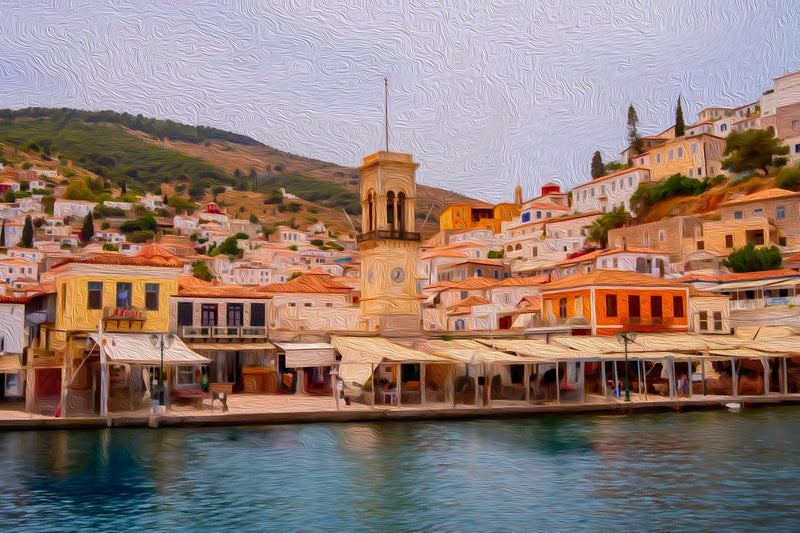
Hydra, Greece study No. 01
Hydra, Greece / 01 VIA / BAB2056
The midday sun bleaches the whitewashed houses climbing Hydra's hillside into something almost luminous, while the harbor water holds a deep, saturated blue that feels too vivid to be real. A ferry carves its wake through the foreground, grounding the scene in motion and ordinary arrival rather than postcard stillness. The terracotta rooftops and sun-baked stone of the hillside give the image its warmth, a place that feels genuinely lived-in beneath the tourist shimmer.
Hydra, Greece study No. 02
Hydra, Greece / 02 VIA / Ala J Graczyk
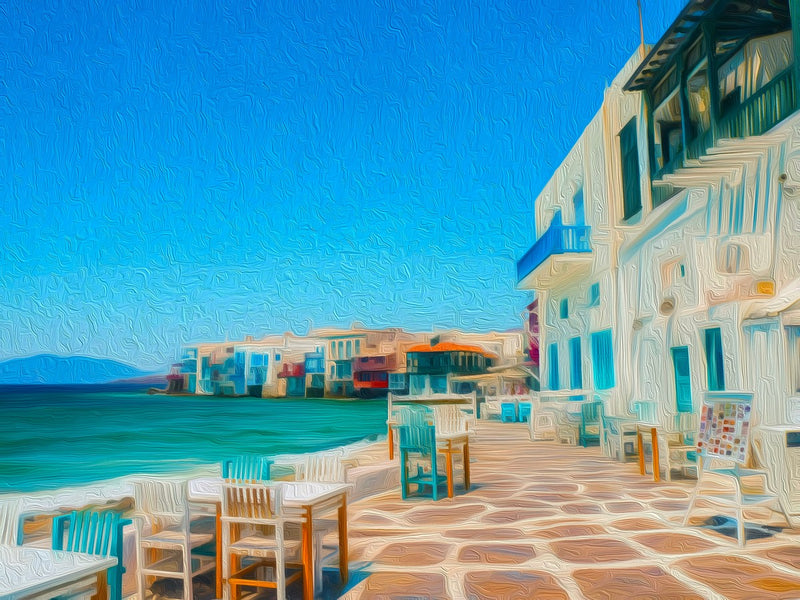
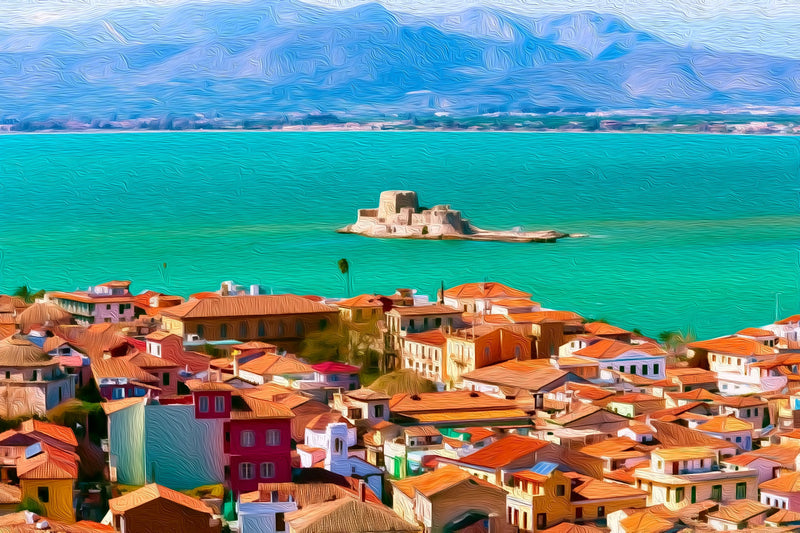
Standing on the hillside above Hydra's port, a visitor would feel enveloped by a quiet grandeur — the warm terracotta rooftops cascading downward like a slow tide toward the glittering Saronic Gulf. The soft, diffused light of an overcast Mediterranean afternoon mutes the colors just enough to lend the scene a timeless, painterly quality. There is a stillness here that feels rare, as though the absence of cars and the gentle curve of the ancient harbor conspire to hold the modern world at a careful distance.
Hydra, Greece study No. 03
Hydra, Greece / 03 VIA / George Frewat
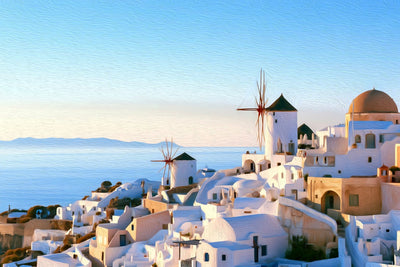
A small water taxi cuts a white wake across the deep cobalt water, the only moving element in an otherwise timeless scene. The hillside buildings of Hydra climb in irregular tiers, their ochre-tiled roofs weathered to varying shades of rust and amber, each one slightly different from the next. Few notice the Greek flag flying quietly from a stone promontory on the left cliff face, grounding the landscape in its national identity.

Where to wander

Archival Note: A curated field study of Hydra, Greece, prioritizing cultural relevance and archival merit. While we haven't touched down here yet, we've meticulously vetted these locations through our global network of contributors to ensure they represent the most authentic atmosphere for your own expedition.

Local Cuisine Spotlight
Grilled octopus is a cornerstone of Greek island cuisine, and in Hydra it reaches its purest form — tentacles charred over open flame, dressed in olive oil, dried oregano, and fresh parsley, finished with a bright squeeze of lemon against the backdrop of the Saronic Gulf.
Credits: THE PAINTED PASSPORT
Local cuisine study in Hydra, Greece

☕︎ Local Flavor

Sunset Restaurant

Rating: 5* | Price: $$$ | Coordinates: 37.3465° N, 23.4698° E

Clinging to the western edge of town, Sunset Restaurant earns its name with a view of the Saronic Gulf turning molten gold each evening. The grilled octopus here is a rite of passage — charred, tender, and dressed simply with olive oil and capers. Pair it with a cold glass of Assyrtiko and let the evening dissolve beautifully around you.

View Entry Details

Piato Restaurant

Rating: 4* | Price: $$ | Coordinates: 37.3488° N, 23.4735° E

Tucked into a narrow alley just off the main port, Piato is the kind of spot locals point you toward with a knowing smile. The menu celebrates honest Hellenic cooking — slow-braised lamb, fresh horta, and pillowy spanakopita that shatters perfectly. The candlelit courtyard seating makes every dinner feel like a warm, shared celebration of Greek hospitality.

View Entry Details

Techne Restaurant & Bar

Rating: 4* | Price: $$$ | Coordinates: 37.3492° N, 23.4730° E

Techne brings a creative, modern sensibility to the island's dining scene without losing sight of its Aegean roots. Dishes like sea bass crudo with lemon foam and herb oil feel adventurous yet deeply connected to the surrounding sea. The artfully designed interior and thoughtful cocktail list attract a sophisticated crowd who linger long after the plates are cleared.

View Entry Details

Gitoniko Restaurant

Rating: 5* | Price: $$ | Coordinates: 37.3481° N, 23.4726° E

Beloved for decades, Gitoniko is the soul of eating well on Hydra — generous portions, market-fresh ingredients, and a family warmth that fills every corner of the room. The moussaka here is legendary, built in layers of care that no shortcut could replicate. Come hungry, come often, and don't be surprised if the owner pulls up a chair to chat with you.

View Entry Details

🛌︎ Boutique Stays

Bratsera Hotel

Rating: 5* | Price: $$$$ | Coordinates: 37.3483° N, 23.4731° E

A restored 19th-century sponge factory turned boutique sanctuary, Bratsera wraps you in stone walls and timber beams with effortless elegance. Its pool courtyard feels like a secret garden tucked away from the port's bustle. Rooms blend antique furnishings with modern comfort, making every morning here feel like a gentle, unhurried luxury.

View Entry Details

Hotel Leto Hydra

Rating: 4* | Price: $$$ | Coordinates: 37.3490° N, 23.4728° E

Perched just above the harbour with views that make you forget to check your phone, Hotel Leto is a calm and sophisticated retreat. Crisp white interiors are warmed by local stone accents and the attentive, genuinely friendly staff. Wake to the sound of donkeys on the cobblestones and sip your coffee on a balcony kissed by Aegean morning light.

View Entry Details

Cotommatа Hydra Residence

Rating: 4* | Price: $$$ | Coordinates: 37.3478° N, 23.4742° E

This intimate residence offers handsomely appointed suites inside a beautifully preserved captain's mansion steps from the waterfront. Original architectural details like arched doorways and hand-painted tiles give each room its own quiet character. The rooftop terrace delivers panoramic harbour views that glow magnificently at golden hour.

View Entry Details

Mistral Hotel

Rating: 3* | Price: $$ | Coordinates: 37.3486° N, 23.4719° E

Cheerful, honest, and wonderfully affordable, Mistral Hotel offers comfortable rooms with a genuine Hydra welcome that money can't manufacture. The whitewashed walls and blue shutters feel authentically Greek rather than staged for a travel brochure. It's the perfect base for exploring the island on foot, with the port cafés just a short cobblestone stroll away.

View Entry Details

📍︎ Field Study

Hydra Historical Archives & Museum

Rating: 4* | Price: $ | Coordinates: 37.3493° N, 23.4740° E

Housed in a grand neoclassical building overlooking the harbour, this museum reveals the island's proud seafaring and revolutionary heritage with quiet intensity. Ship models, navigational instruments, and portraits of Hydra's celebrated admirals tell a story far bigger than the island's size suggests. It's a moving and essential stop for anyone wanting to understand the soul behind Hydra's handsome facades.

View Entry Details

Monastery of the Assumption of the Virgin Mary

Rating: 5* | Price: Free | Coordinates: 37.3489° N, 23.4733° E

Rising above the port with serene authority, this 18th-century monastery anchors the town both visually and spiritually. Its bell tower, marble courtyard, and Byzantine icons reward those who step inside with a profound sense of stillness. The view from its entrance down over the horseshoe harbour is one of the most genuinely beautiful sights in all the Greek islands.

View Entry Details

Kamini Beach

Rating: 4* | Price: Free | Coordinates: 37.3451° N, 23.4678° E

A twenty-minute coastal walk west of the port leads you to Kamini, a small pebble cove where the water shimmers in extraordinary shades of turquoise and jade. Unlike the busier harbour area, Kamini has a languid, neighbourhood feel with a tiny taverna and local swimmers who've claimed it for generations. Jump from the flat rocks, float on your back, and feel the rest of the world recede gracefully.

View Entry Details

Hydra Sculpture & Art Walks

Rating: 4* | Price: Free | Coordinates: 37.3480° N, 23.4720° E

Hydra has long drawn artists into its folds — Leonard Cohen famously lived here — and the island's galleries and outdoor sculptures reward the curious wanderer richly. Follow the winding lanes uphill and you'll discover small studios, ceramic workshops, and sun-bleached canvases propped in open doorways. It's a living, breathing art scene that feels entirely unforced and wonderfully human.

View Entry Details

Typography

Archival Note: A formal technical study of Hydra, Greece—archiving the coordinates, elevation, and environmental data that define the region. This data serves as a vital record for our ongoing global field study, allowing us to reconstruct the regional atmosphere with archival precision before our physical arrival.

Botanical and pigment specimen study for Hydra, Greece Colors of Hydra, Greece
Coordinates
37.3484° N, 23.4728° E — Hydra Town harbor, Hydra Island, Saronic Gulf, Greece
Historical Epoch
Hydra's stone mansions were built by merchant sea captains in the 18th century, men who grew rich on trade and later funded the Greek War of Independence with ships and personal fortunes, shaping the island's proud, self-reliant character.
Elevation
0-590 m / 0-1,936 ft - Sea-level harbor rising to rugged inland ridgeline
Atmosphere
Csa - Hot-Summer Mediterranean. Hot dry summers, mild wet winters. Peak summer heat is intense but constant sea breezes make the harbor town very livable.
Observation Hour
07:15 - Morning light hits the harbor mansions with a warm honeyed gold before heat haze builds. By mid-morning the whitewashed walls glow almost luminescent against deep blue water.
Primary Pigment
Saronic Ochre (#C8955A) and Aegean Deep (#1B5E8C)
Best Time to Visit
May through June - warm and sunny with smaller crowds, full services open, and the island flora in vivid bloom before the summer heat peaks.
Avoid Visiting
August - peak season crowds fill the harbor, accommodation prices surge, and the midday heat along stone paths can be genuinely exhausting.

The Local Tongue

Language is the invisible architecture of Hydra, Greece. These entries document the regional vocabulary—capturing the "texture" of local speech that standard translations often miss. Hand-curated expressions reflecting the specific spirit and daily rhythm of the region.
Archival study of Greek cultural texture

via / Eleni Pechlivani

Primary Language Greek
Regional Dialect Standard Modern Greek with some Saronic island phrasing

Filotimo (φιλότιμο)

Filotimo translates loosely as love of honor, but it holds far more than that single phrase can carry. On Hydra, it shows up in the way a harbor taverna owner rushes to help a stranger with heavy bags without being asked, expecting nothing in return except the quiet dignity of having done the right thing.

Meraki (μεράκι)

Meraki means doing something with soul, with all of oneself poured completely into the act. A Hydrian cook stirring a pot of slow-simmered lamb stifado, adjusting the cinnamon by instinct and memory rather than measurement, is working with meraki in its purest and most fragrant form.

Siga siga (σιγά σιγά)

Siga siga means slowly, slowly, and it functions as both a practical instruction and a personal philosophy across the Greek islands. On Hydra, where the absence of motor vehicles already slows every journey to a human pace, the phrase becomes almost redundant, the island itself enforcing the wisdom before the words are even spoken.

Wait! before you go...

Before you head over to Hydra, Greece, we’ve audited the essential data points for this corner of the world. These notes cover the logistics—from currency ratios to transit hubs—to help you navigate the landscape with clarity.
🚲 Getting Around Hydra is reached by Hellenic Seaways or Anes Ferries hydrofoil and ferry from Piraeus port in Athens, with a journey of roughly 90 minutes to two hours depending on the vessel type. Once on the island, all movement is on foot, by donkey, or by small water taxi along the coastline.
⚖️ Cash or Card Cards are accepted at most hotels, larger restaurants, and shops along the waterfront, but smaller tavernas, bakeries, and local vendors often prefer cash. Carrying a modest amount of euros for daily purchases, tips, and donkey rides is a practical habit worth keeping on Hydra.
☁️ Good to Know Hydra operates on island time in the truest sense, and afternoons between roughly 2pm and 5pm are treated as sacred rest hours when many shops close and the pace drops to near stillness. Visitors who try to rush or demand fast service will find the island simply does not accommodate that energy.
🏧 ATMs There are a small number of ATMs on Hydra, clustered near the main harbor area, and they are generally reliable during the tourist season though they can run low on cash during peak August weekends. Withdrawing enough euros before arriving from Athens or Piraeus is a sensible precaution, particularly for longer stays.
💳 Currency Greece uses the Euro (EUR), and prices on Hydra tend to run slightly higher than the Greek mainland given the island's car-free logistics and the cost of transporting everything by sea and donkey. Budget accordingly, particularly for accommodation and waterfront dining.
🔌 Plugs Greece uses Type C and Type F outlets at 230V, 50Hz. A universal travel adapter with European two-pin compatibility covers all devices on the island.
🛡️ Safety Hydra is considered one of the safest destinations in Greece, with very low crime and a tight-knit local community where strangers are noticed and welcomed in equal measure. The main physical caution is the uneven cobblestone paths and steep hillside trails, which require sturdy footwear, especially after the occasional rain makes stones slippery.
✈️ Airports Athens International Airport Eleftherios Venizelos (ATH) is the primary gateway, located roughly 35 kilometers from Piraeus port where ferries depart for Hydra. The total journey from the airport to the island, including ground transfer and ferry time, typically takes between three and four hours.

Behind The Scenes

Nathan

Note from the Founder

Hey, did you know this fun fact about Hydra, Greece? Hydra banned motorized vehicles in the 1950s and has maintained the policy ever since. The island relies on approximately 500 working donkeys and mules to transport everything from luggage to construction materials up its steep stone paths.
Thank you for exploring the Hydra, Greece series with us. We hope these notes have inspired you to add this incredible destination to your own passport—we are so glad you're here. — Nathan

Some of our Favorites