Shop the Collection

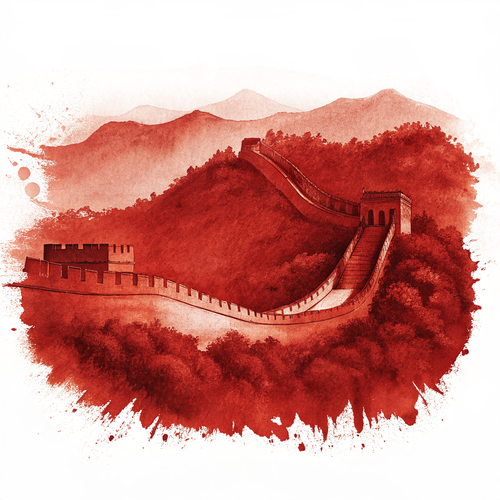
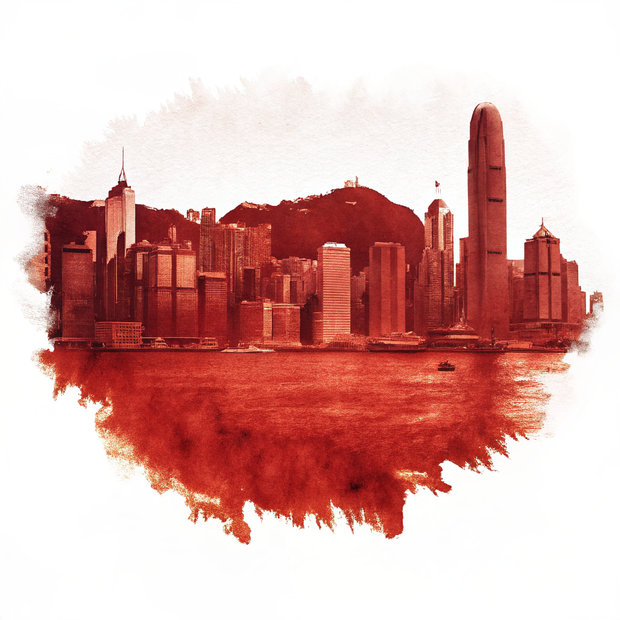
To help you build your own global archive, we've prepared this collection of watercolor studies from our research into Hong Kong, China. These artifacts are designed to bring the stillness of this corner of the world into your home.

Original Series Decorative Magnet

A personal study of Hong Kong, China, captured in high-fidelity watercolor and prepared for your collection.

Hong Kong, China | Original Series Decorative Magnet
Add to Collection / $18
Exclusive Series Artifact

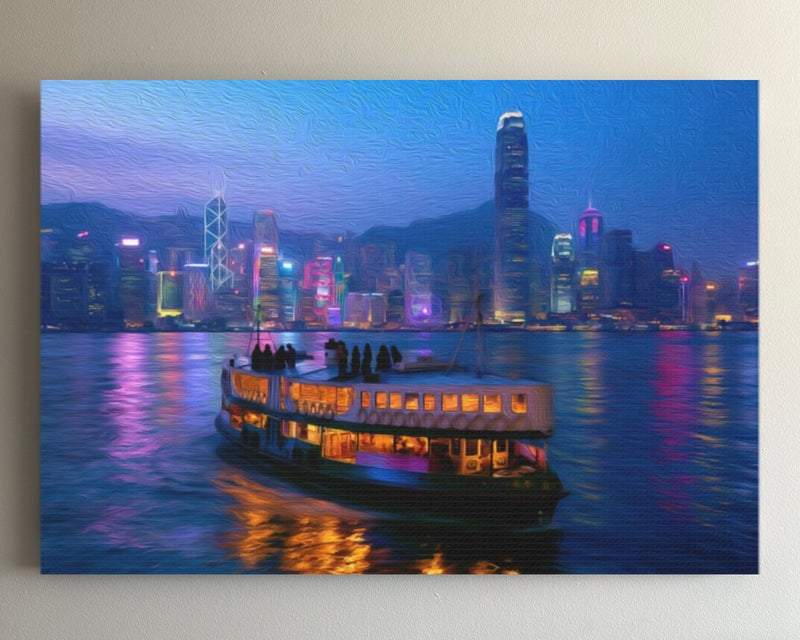
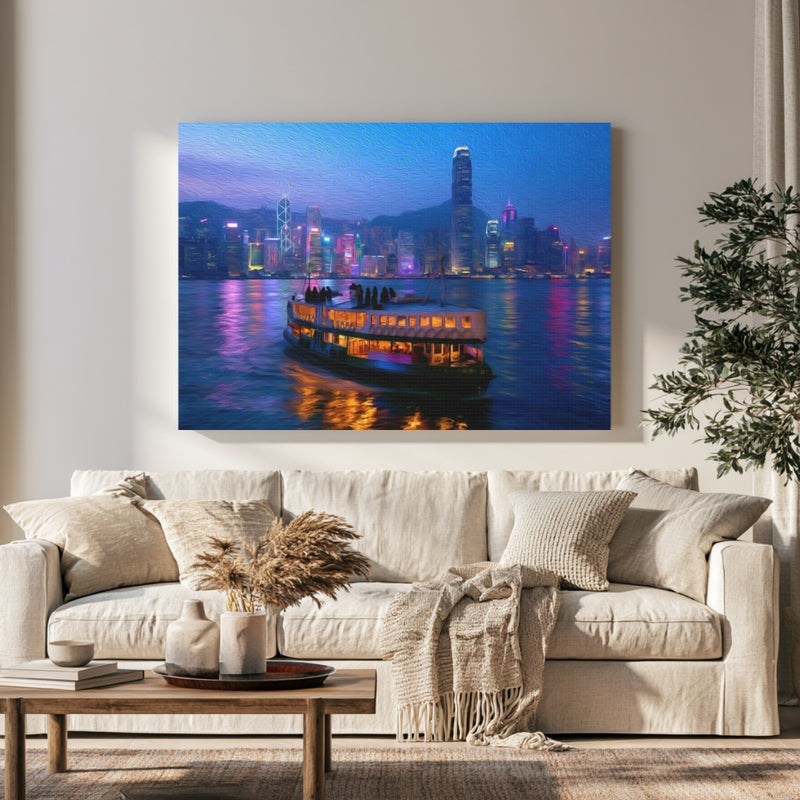
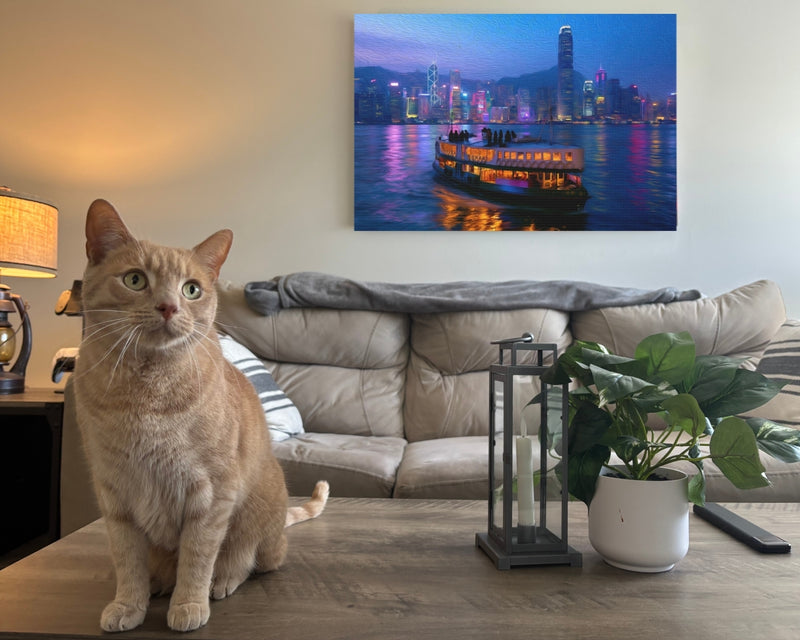
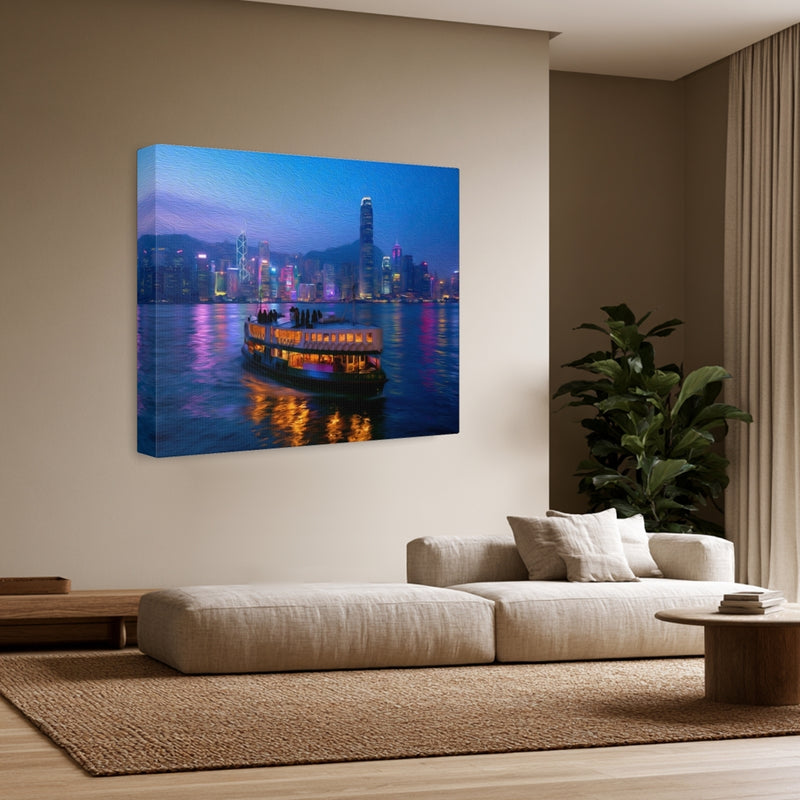
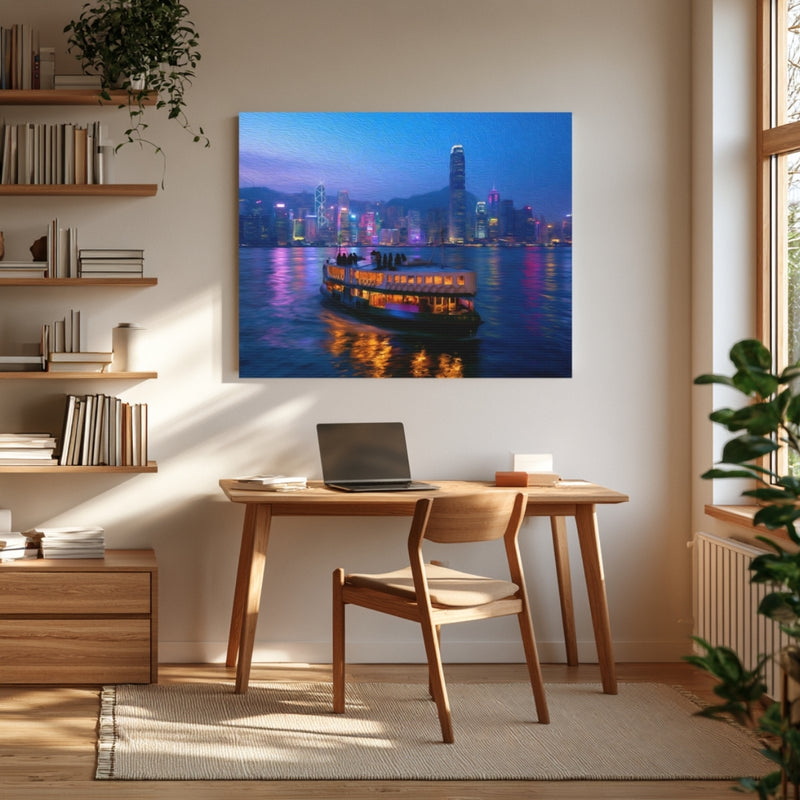
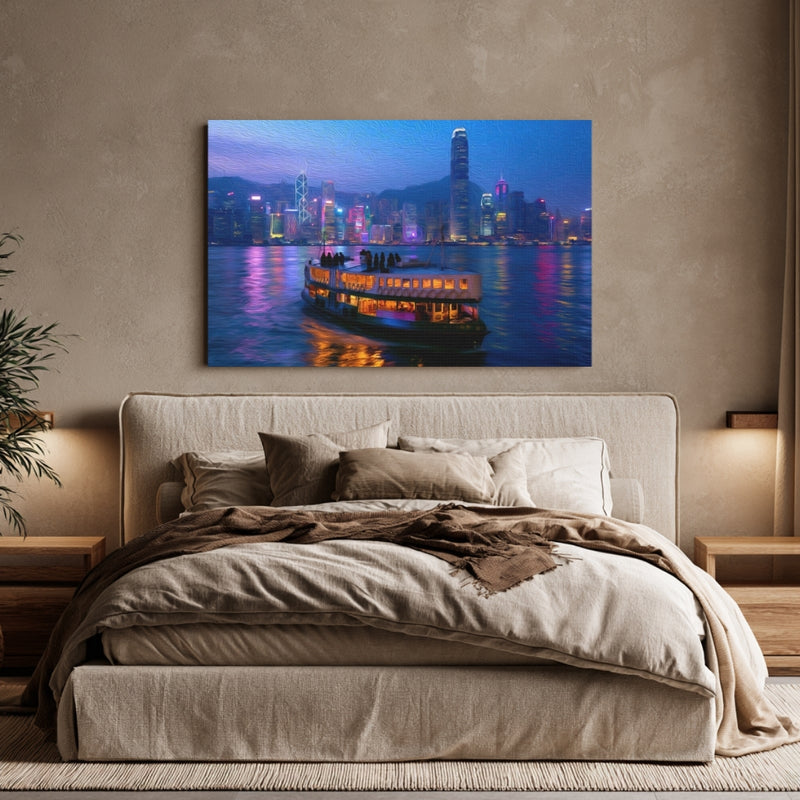
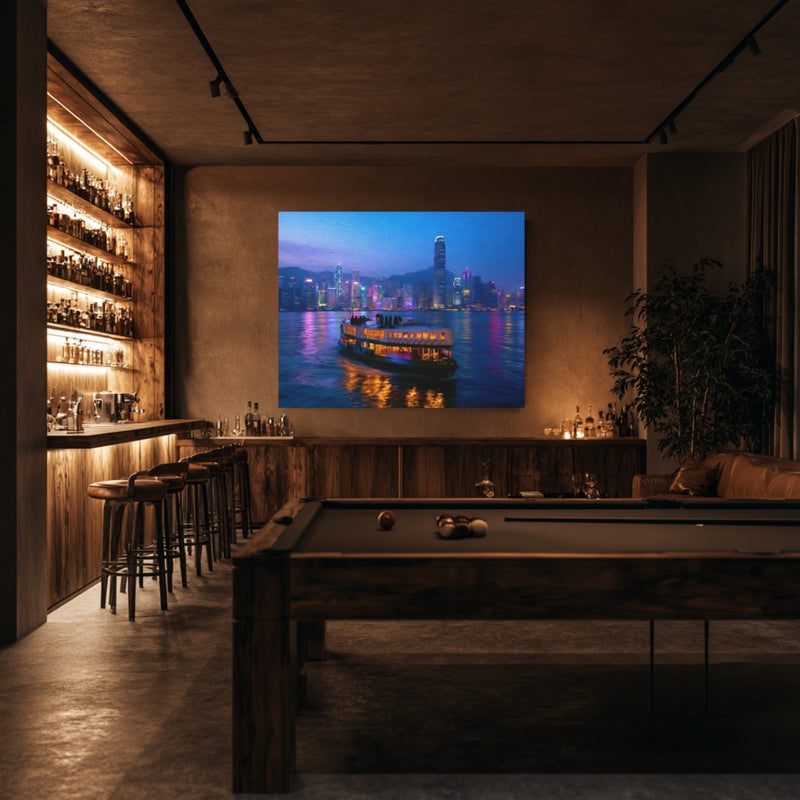
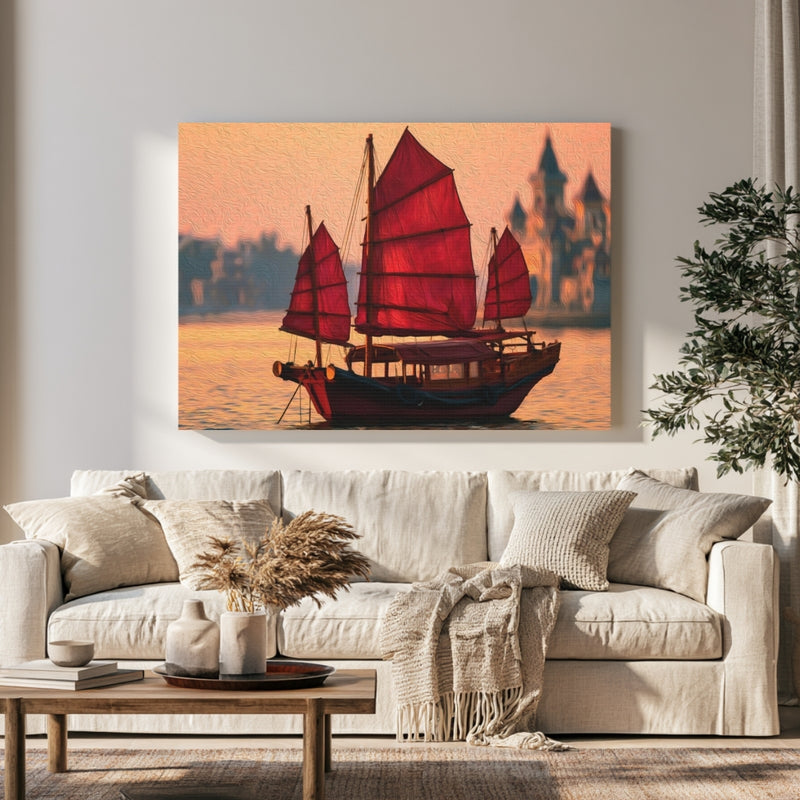
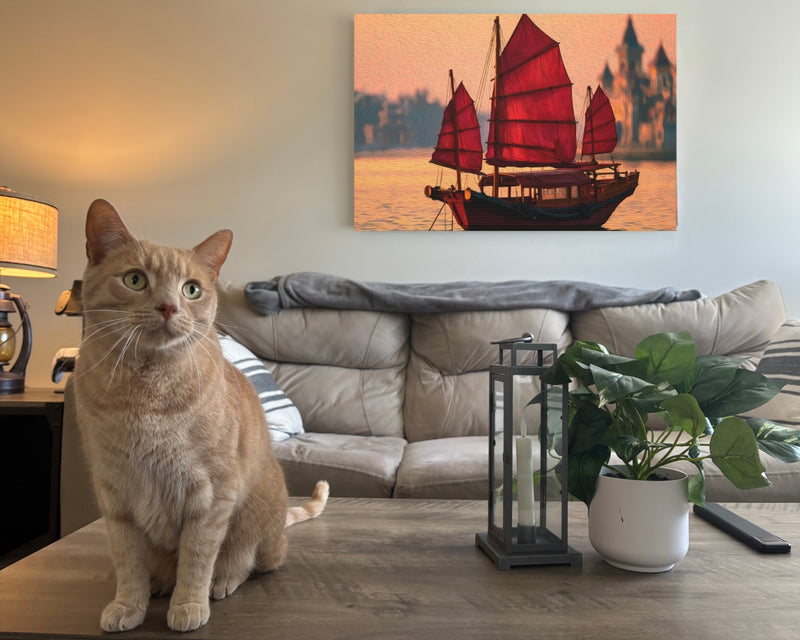
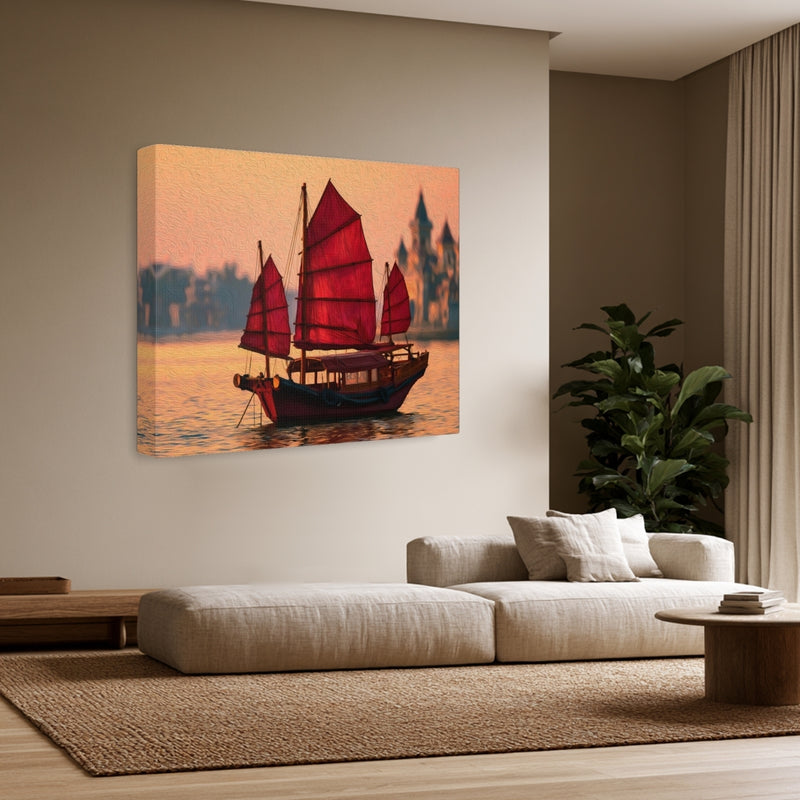
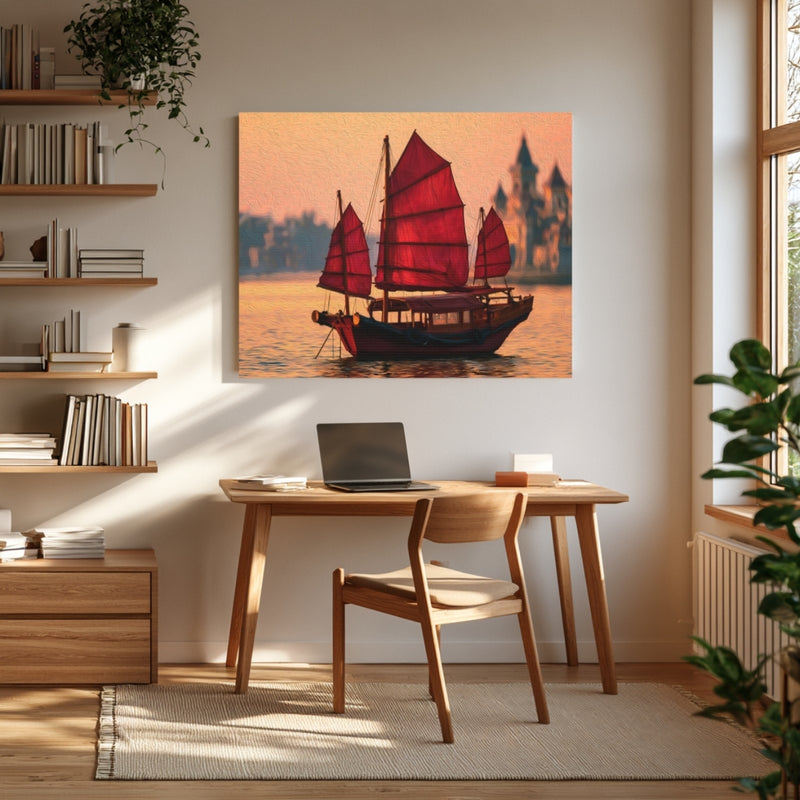
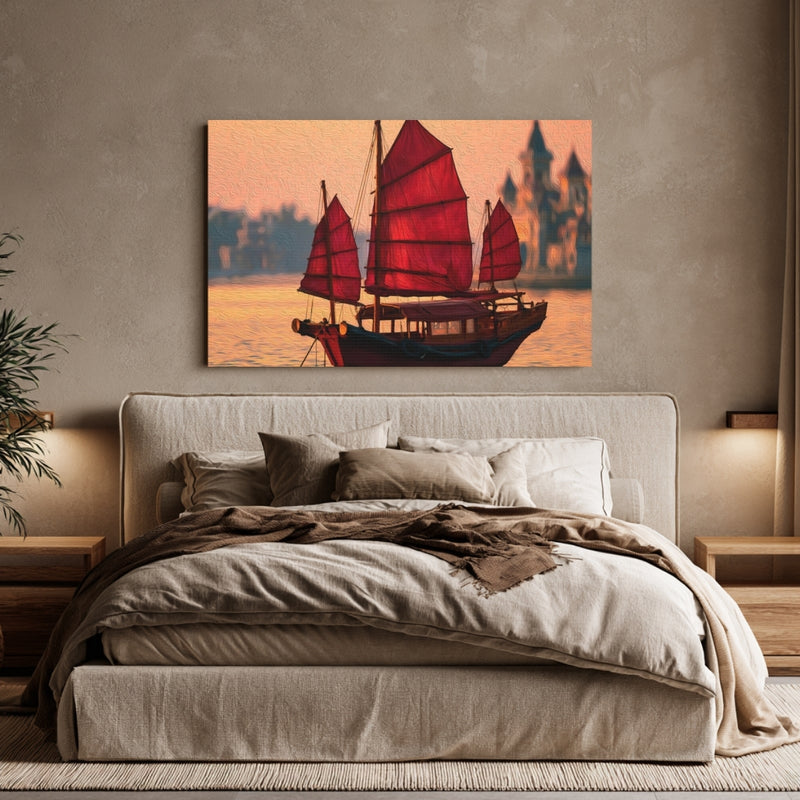
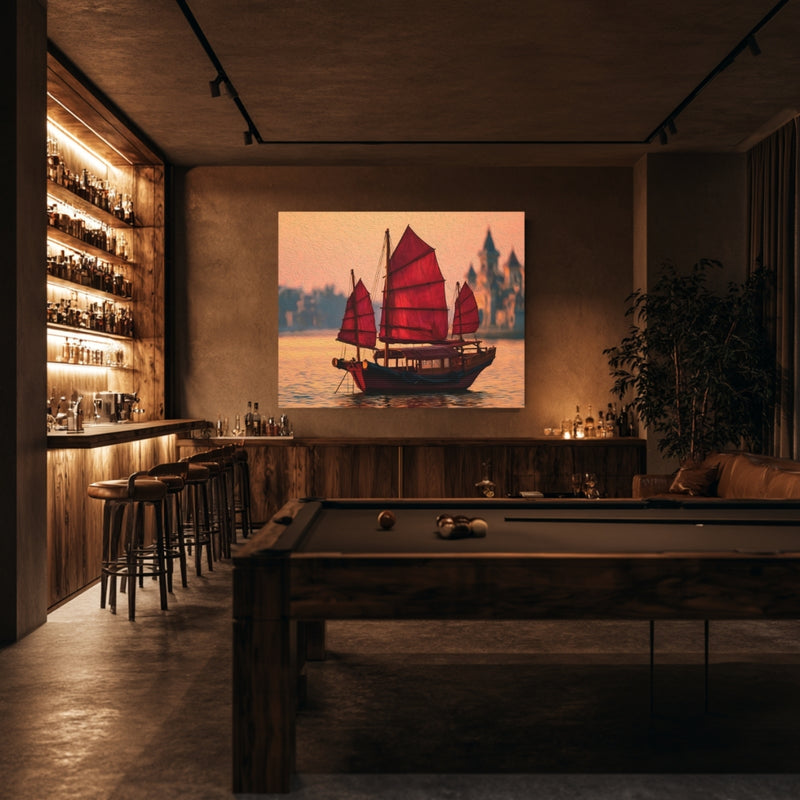
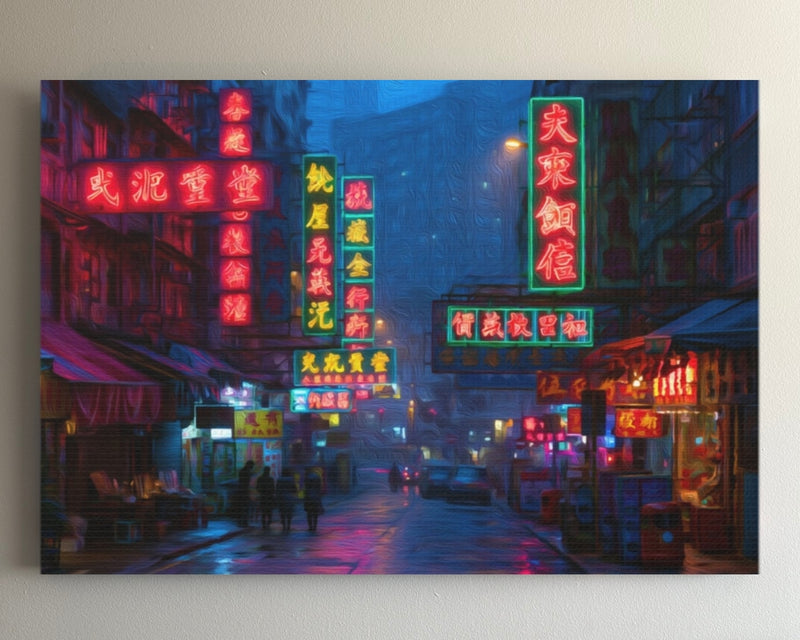
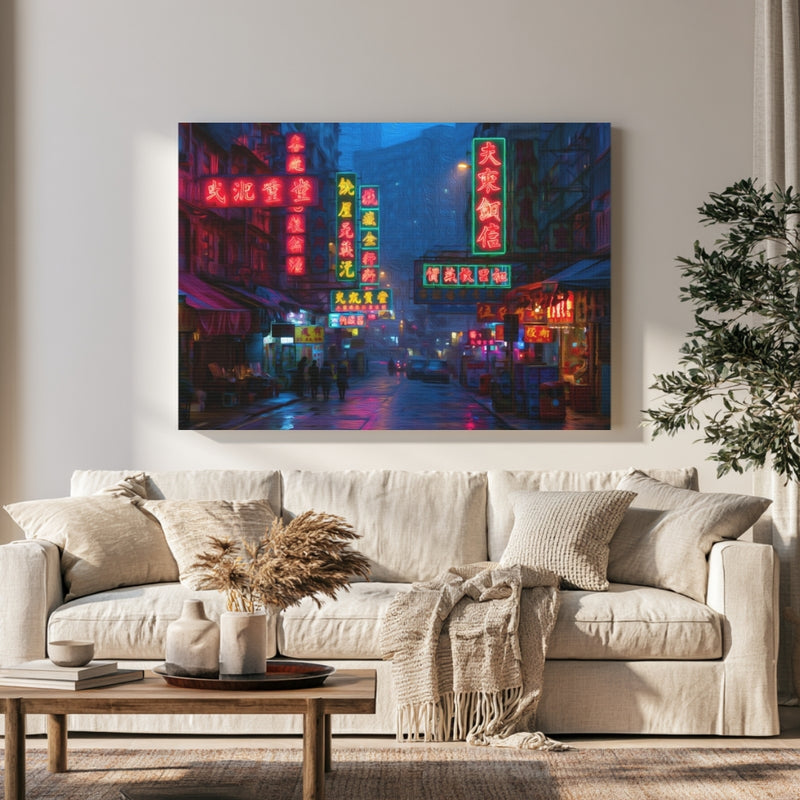
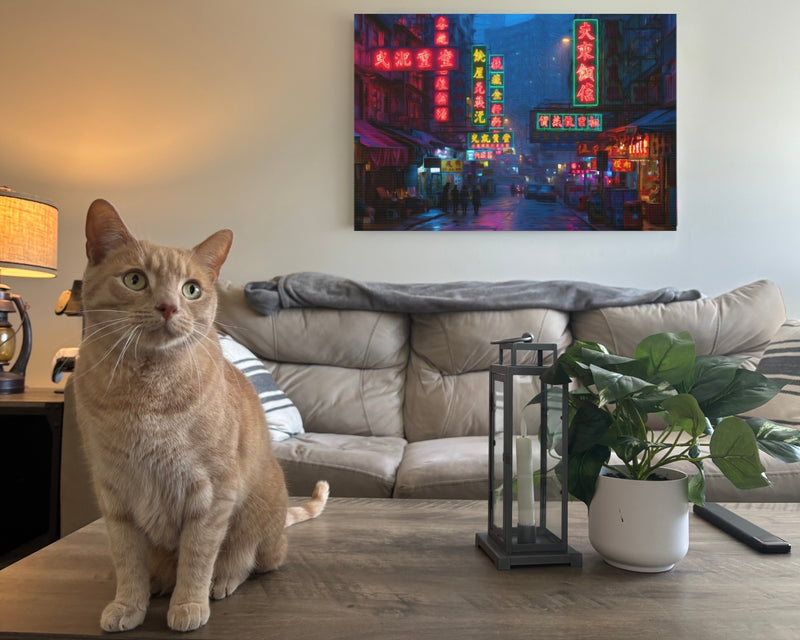
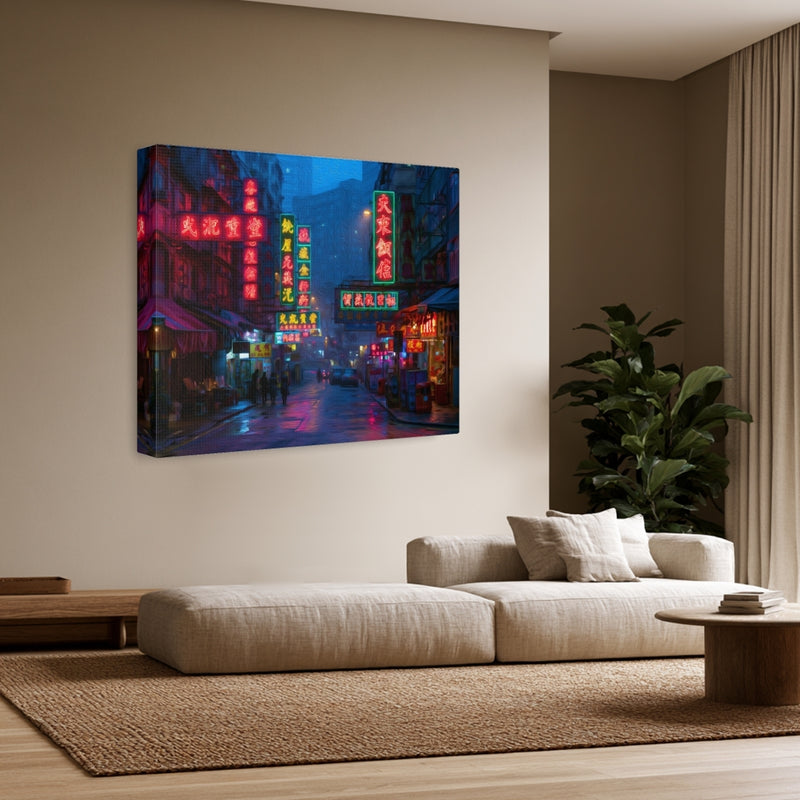
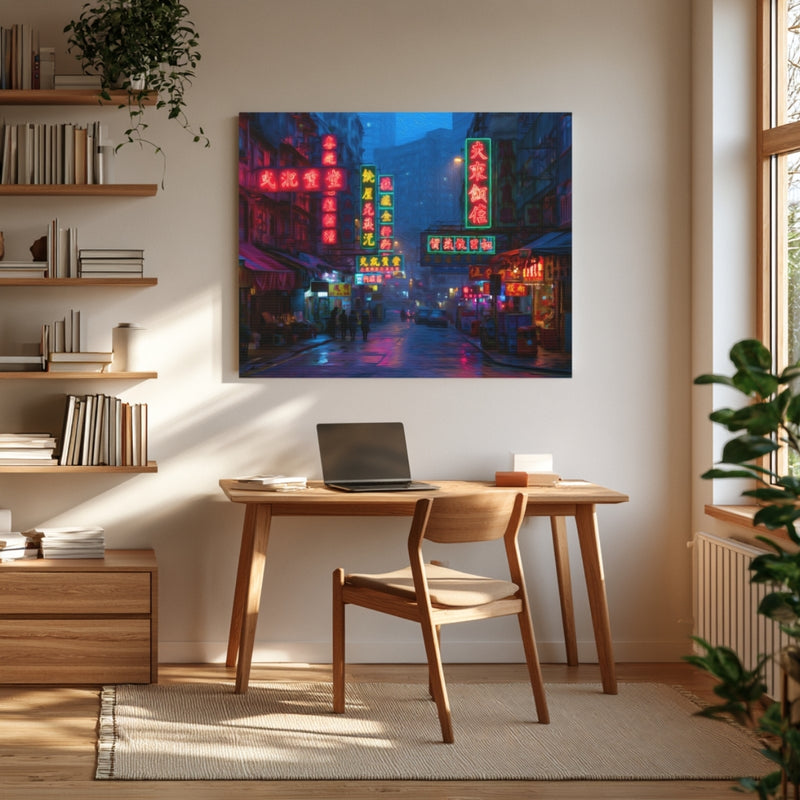
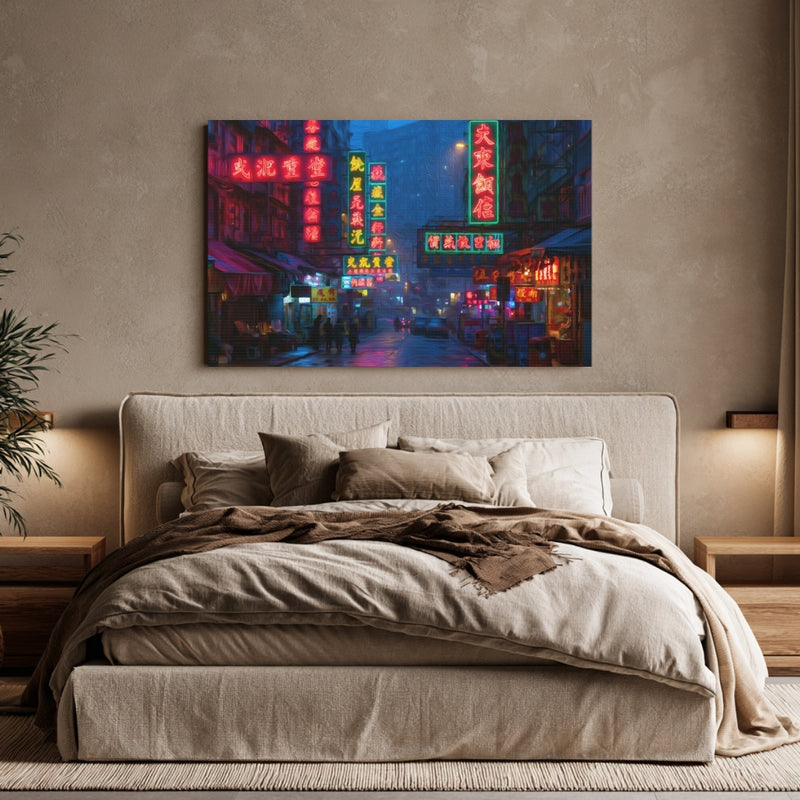
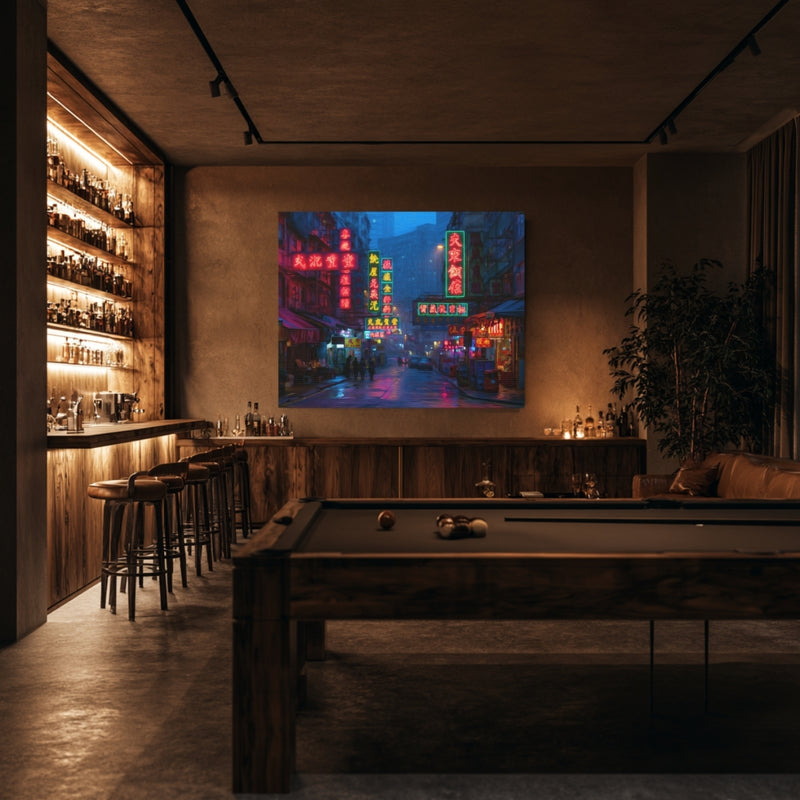
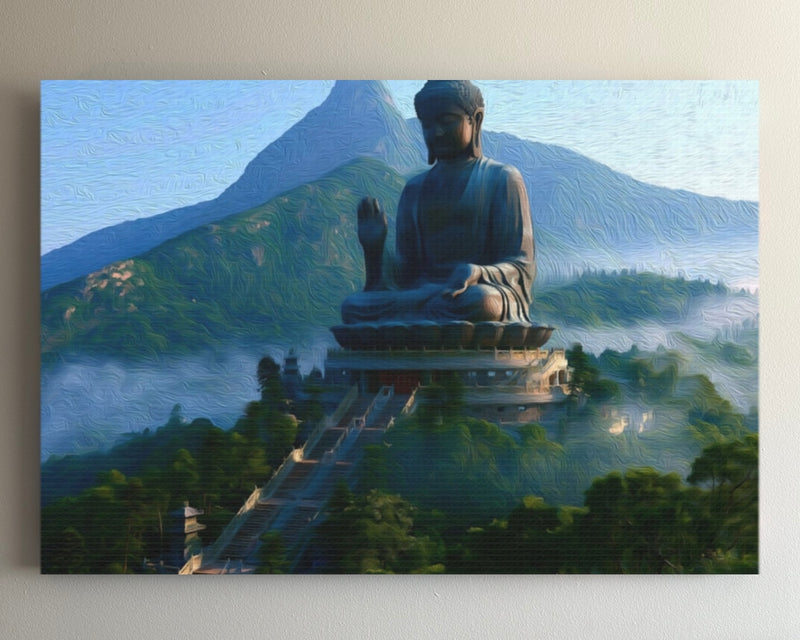
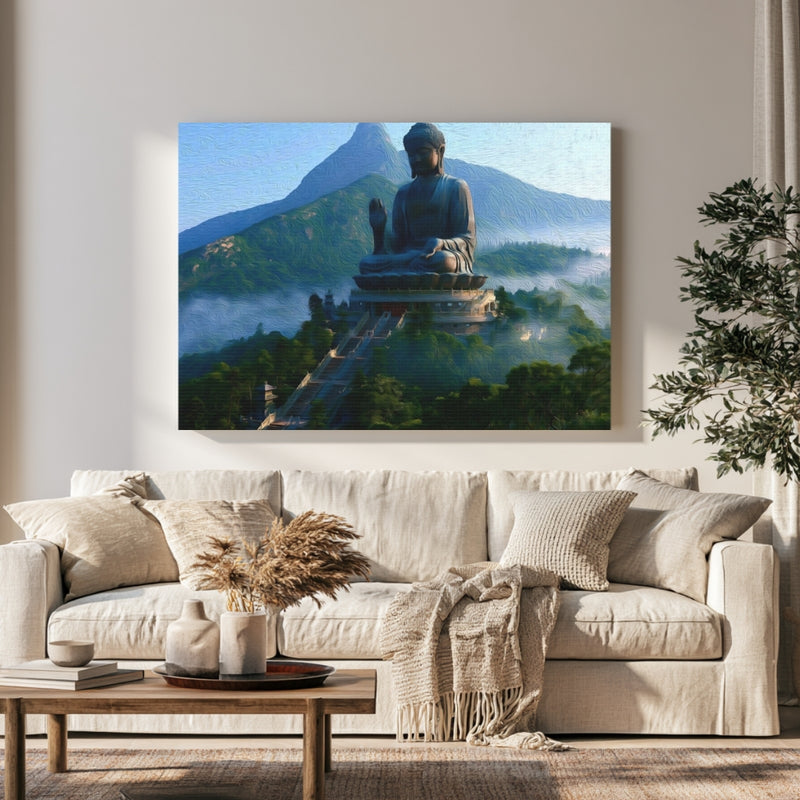
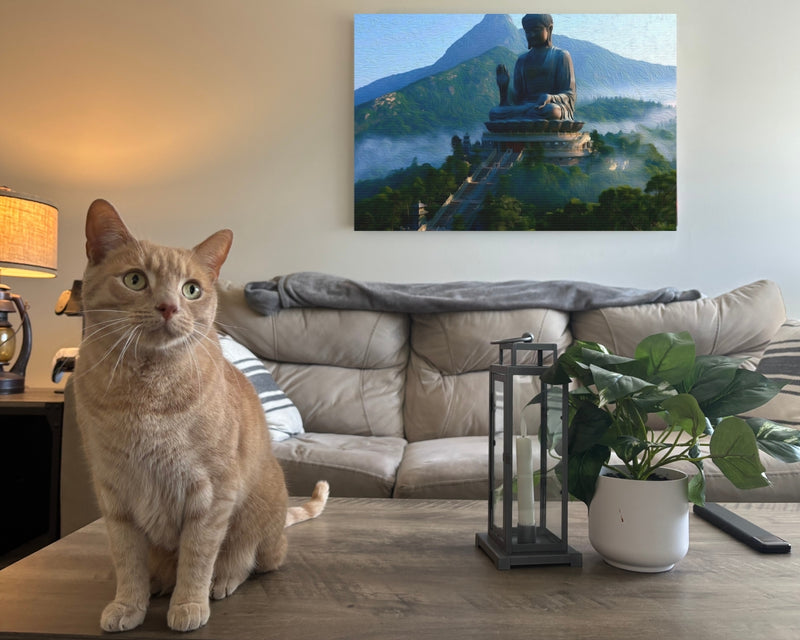
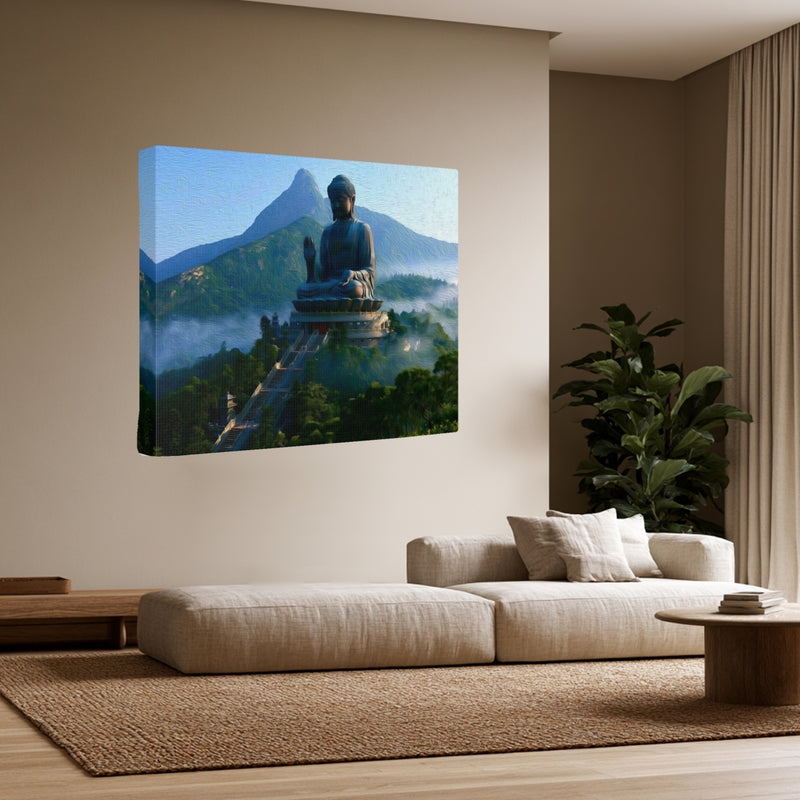
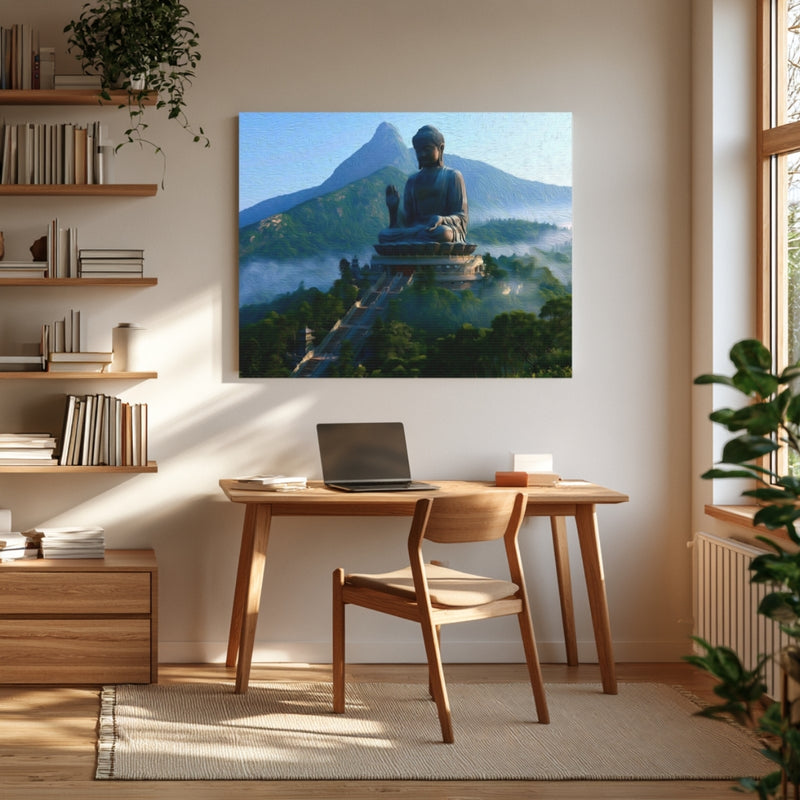
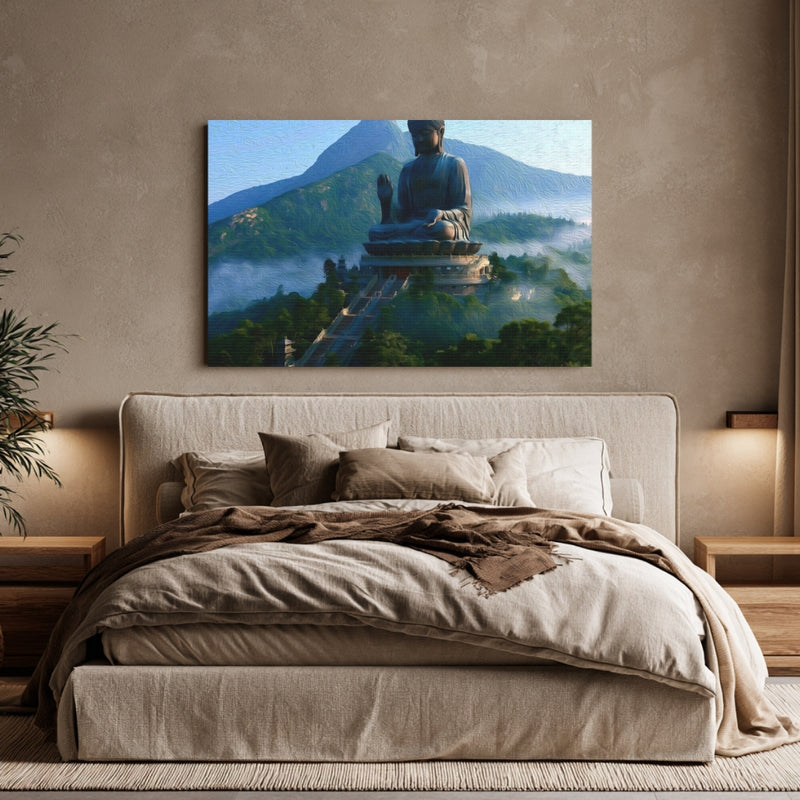
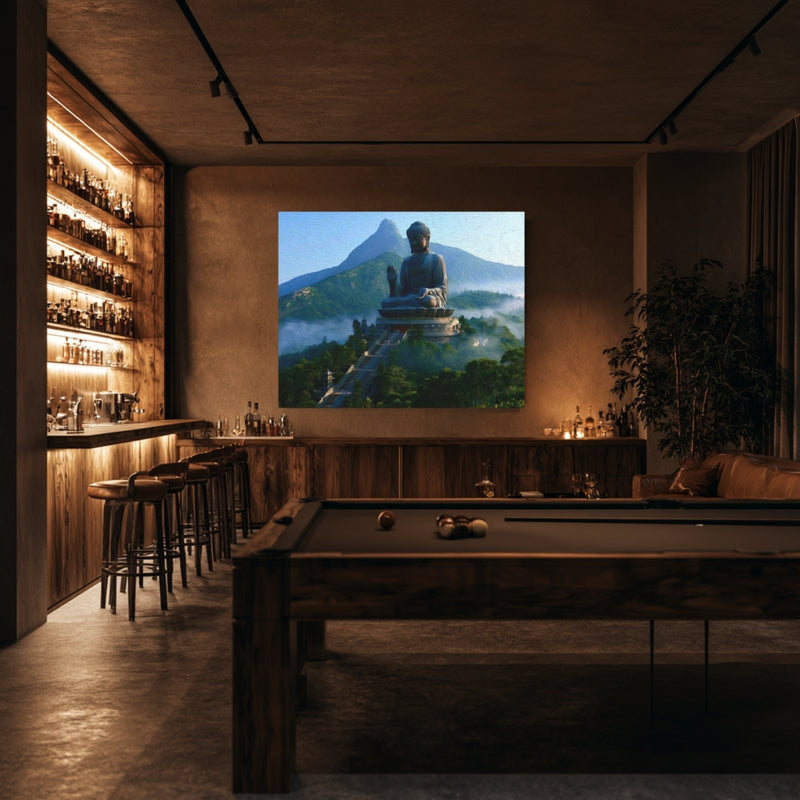
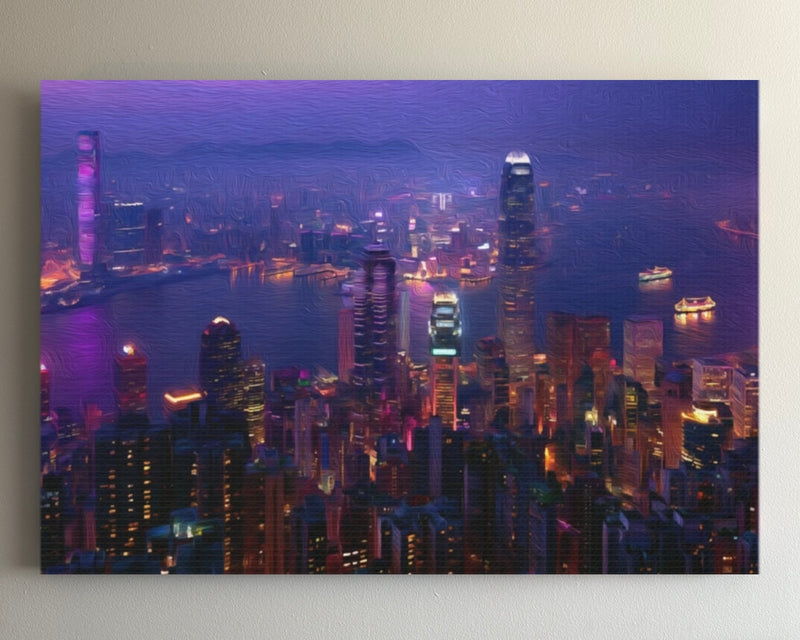
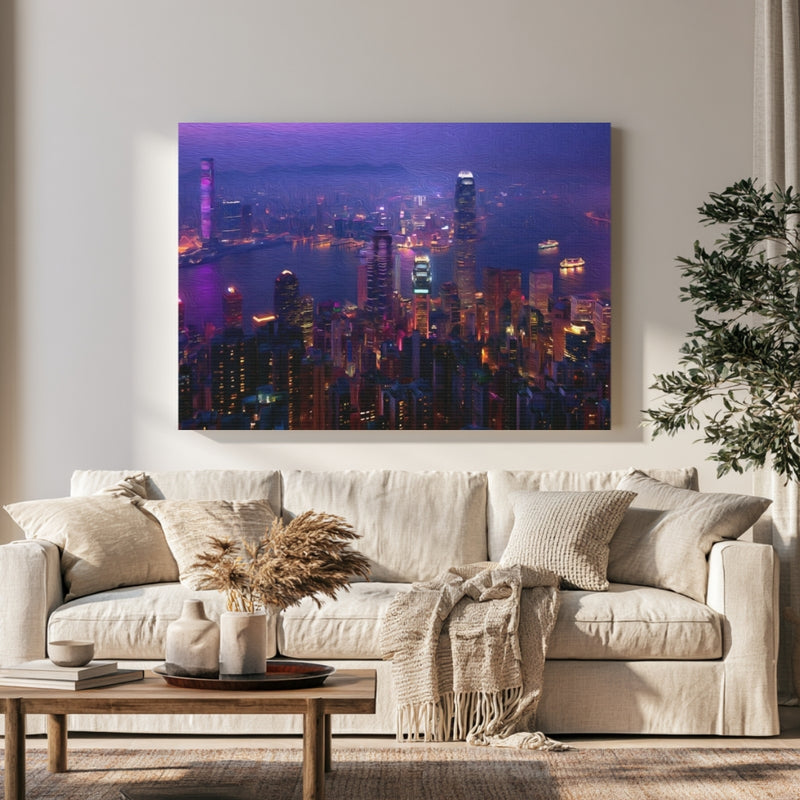
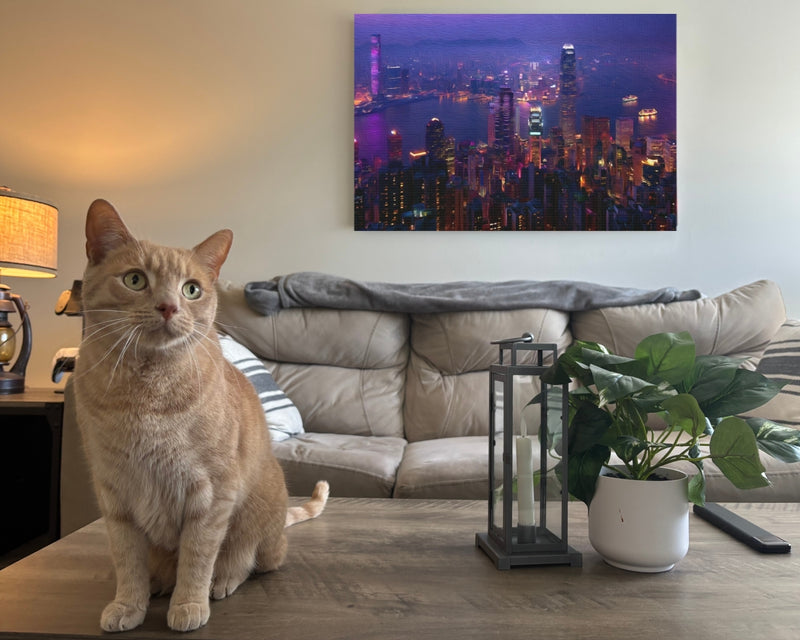
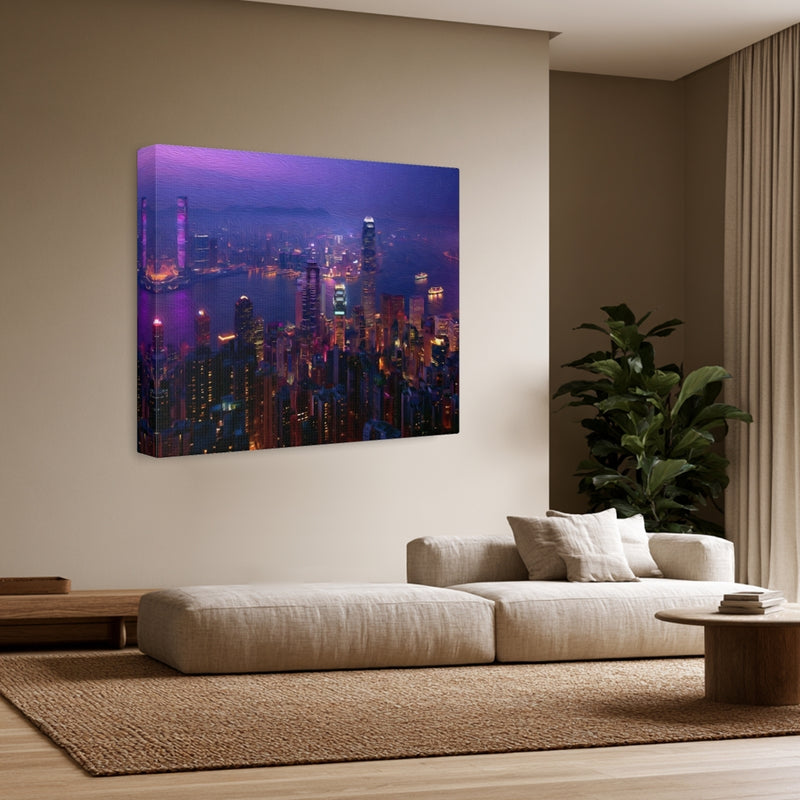
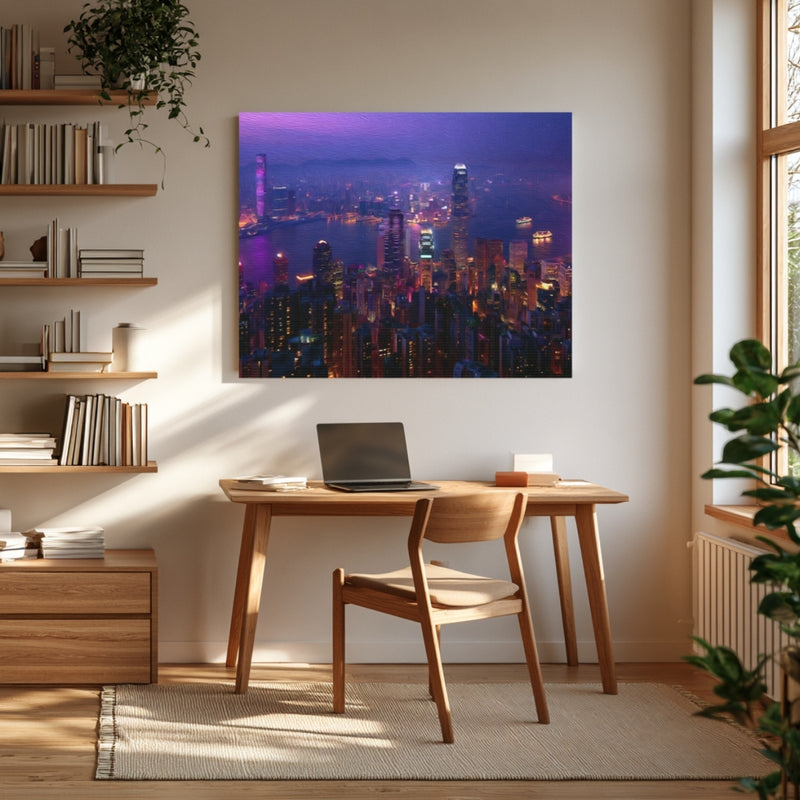
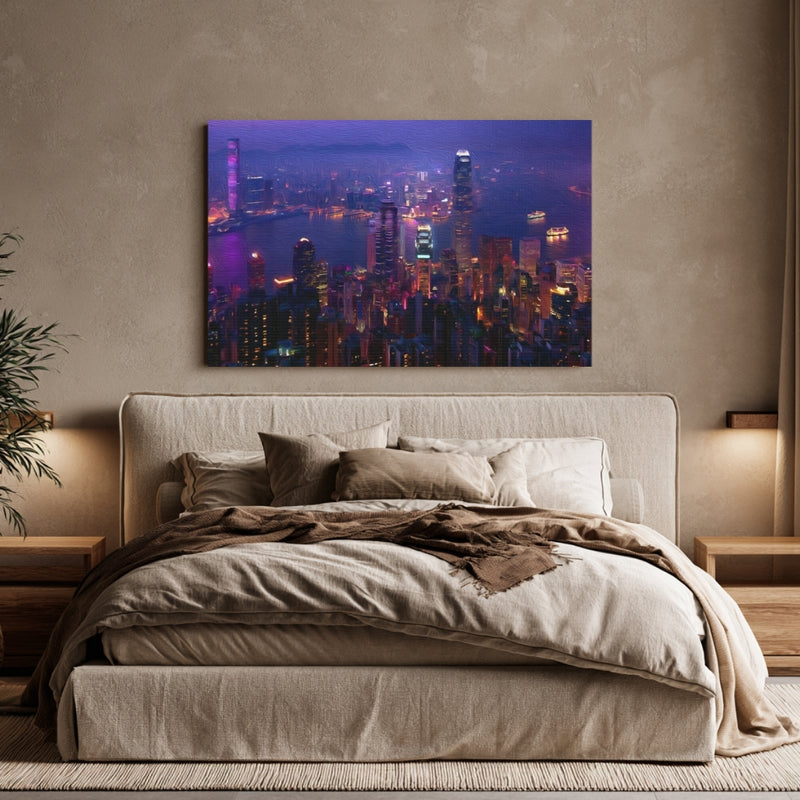
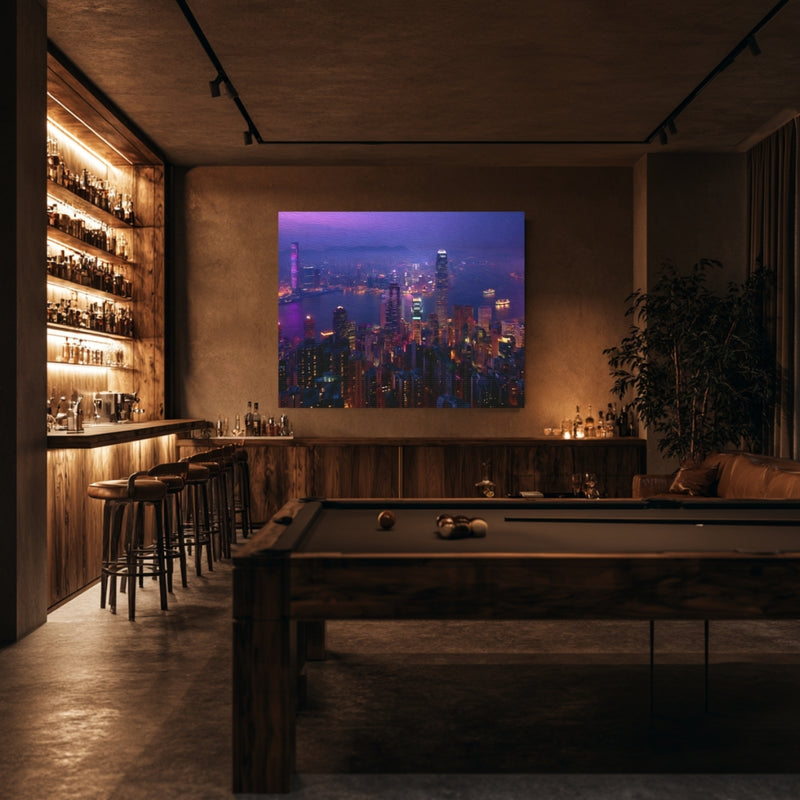
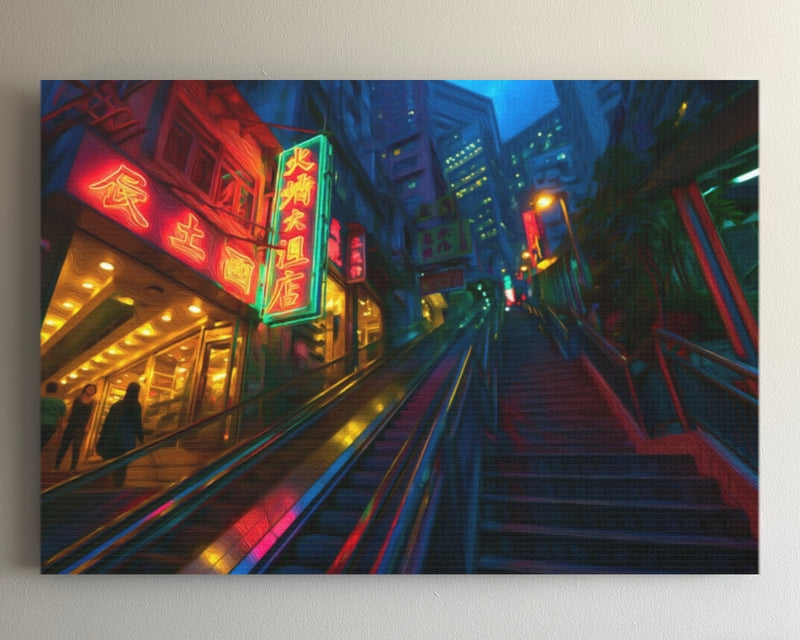
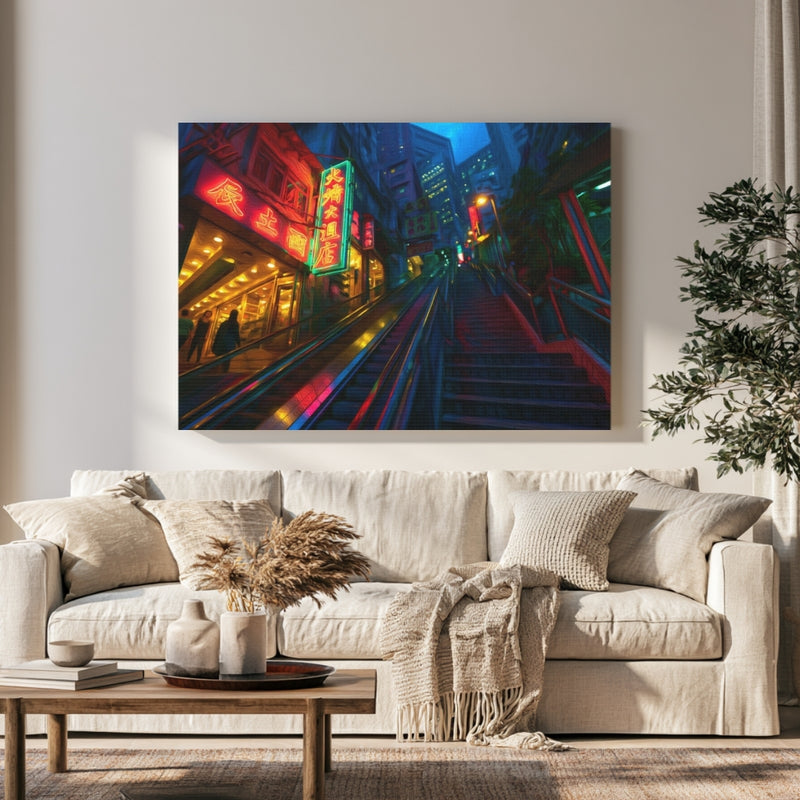
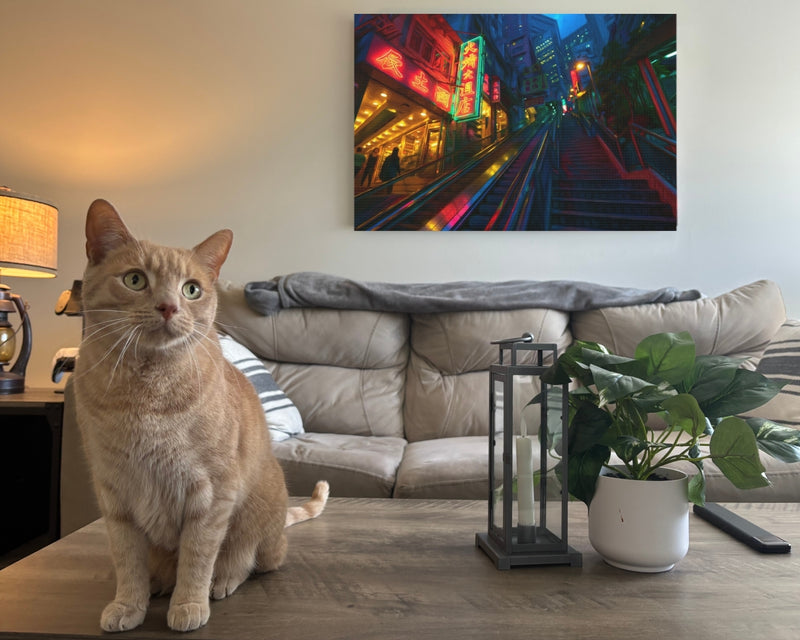
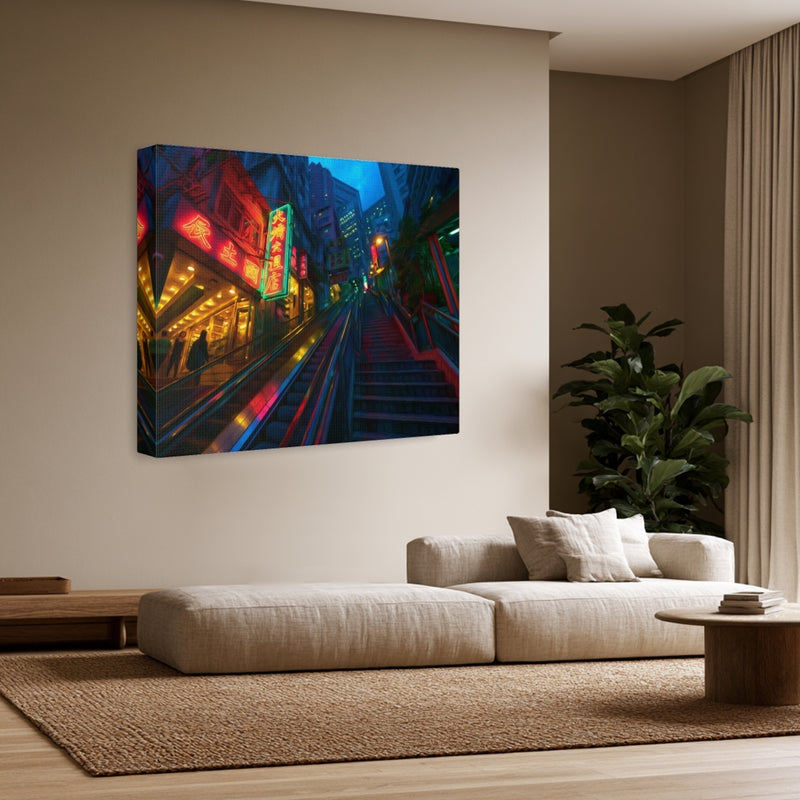
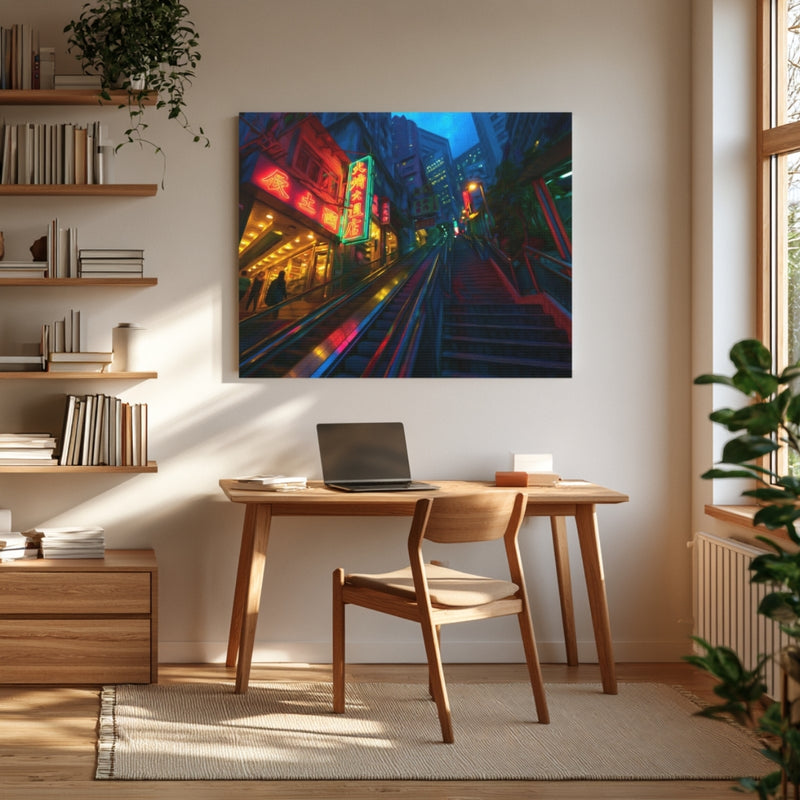
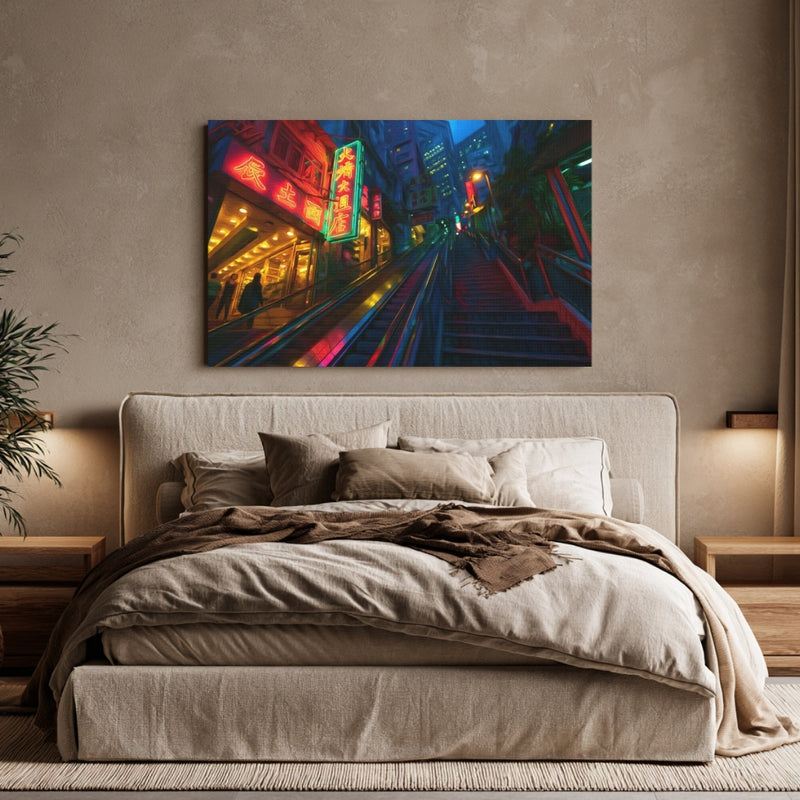
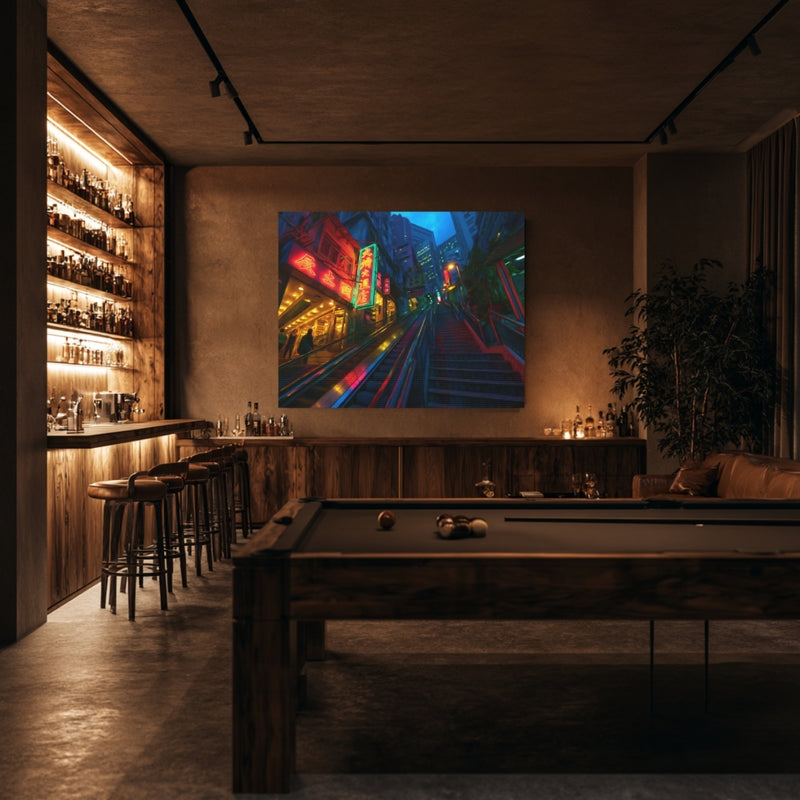
Original Series Gallery Canvas

This high-fidelity canvas is a beautiful way to anchor a room and keep your memories of Hong Kong, China fresh long after you've returned home.

Hong Kong, China | Original Series Gallery Canvas detail Hong Kong, China | Original Series Gallery Canvas detail Hong Kong, China | Original Series Gallery Canvas detail Hong Kong, China | Original Series Gallery Canvas detail
Add to Collection / $65

Original Series Hardboard Coaster

A personal study of Hong Kong, China, captured in high-fidelity watercolor and prepared for your collection.

Hong Kong, China  | Original Series Hardboard Coaster
Add to Collection / $18
Exclusive Series Artifact

The Spirit of the Land

Archival Note: A curated field study of Hong Kong, China, prioritizing the specific atmospheric stillness of the region. These artifacts have been meticulously sourced from our global archival partners to represent the area’s unique cultural frequency and environmental character. This selection serves as a formal observation for our ongoing global archive, vetted for its visual accuracy and archival merit.

Hong Kong, China study No. 01
Hong Kong, China / 01 VIA / Katie Musial
The historic Tsim Sha Tsui Clock Tower stands as a timeless sentinel in image_72a01e.jpg, offering a peaceful moment of reflection amidst the vibrant energy of Hong Kong's skyline. It’s an inspiring reminder that even in a world of constant motion and towering modern ambition, our heritage remains a steady, grounding force that connects us to our shared journey.
Hong Kong, China study No. 02
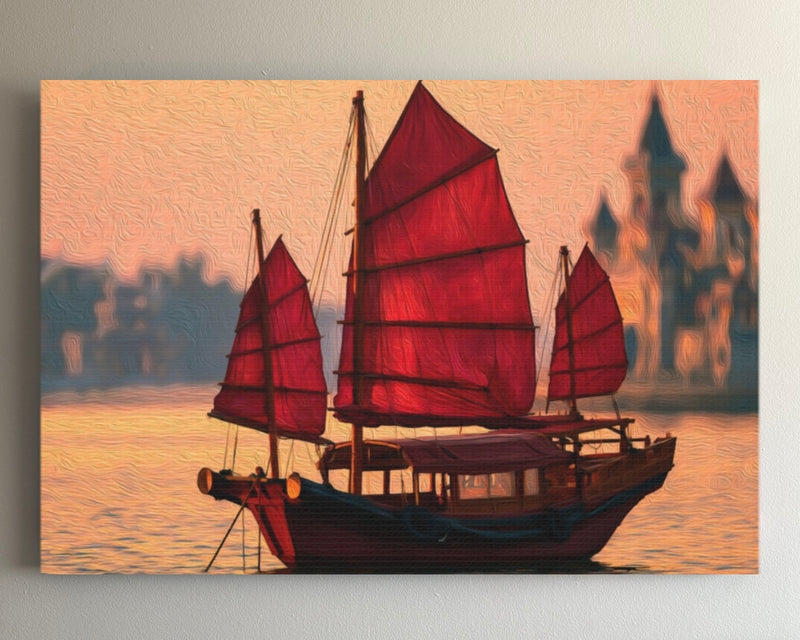
Hong Kong, China / 02 VIA / Jiachen Lin
A traditional red-sailed junk boat glides gracefully across the misty waters of Victoria Harbour, bridging the gap between ancient tradition and the towering modern skyline of Hong Kong. This serene scene serves as a beautiful reminder that even in our fastest-moving cities, there is always room to carry our heritage forward with peace and purpose.
Hong Kong, China study No. 03
Hong Kong, China / 03 VIA / Nicolas Hoizey
The warm, nostalgic glow of neon signs spills into the quiet sanctuary of a taxi, capturing a soulful perspective of Hong Kong’s midnight pulse. It is an uplifting tribute to the unsung guides of the city, whose steady hands navigate us through the labyrinth of light and shadow toward our next destination.

Where to wander

Archival Note: A curated field study of Hong Kong, China, prioritizing cultural relevance and archival merit. While we haven't touched down here yet, we’ve meticulously vetted these locations through our global network of contributors to ensure they represent the most authentic atmosphere for your own expedition.

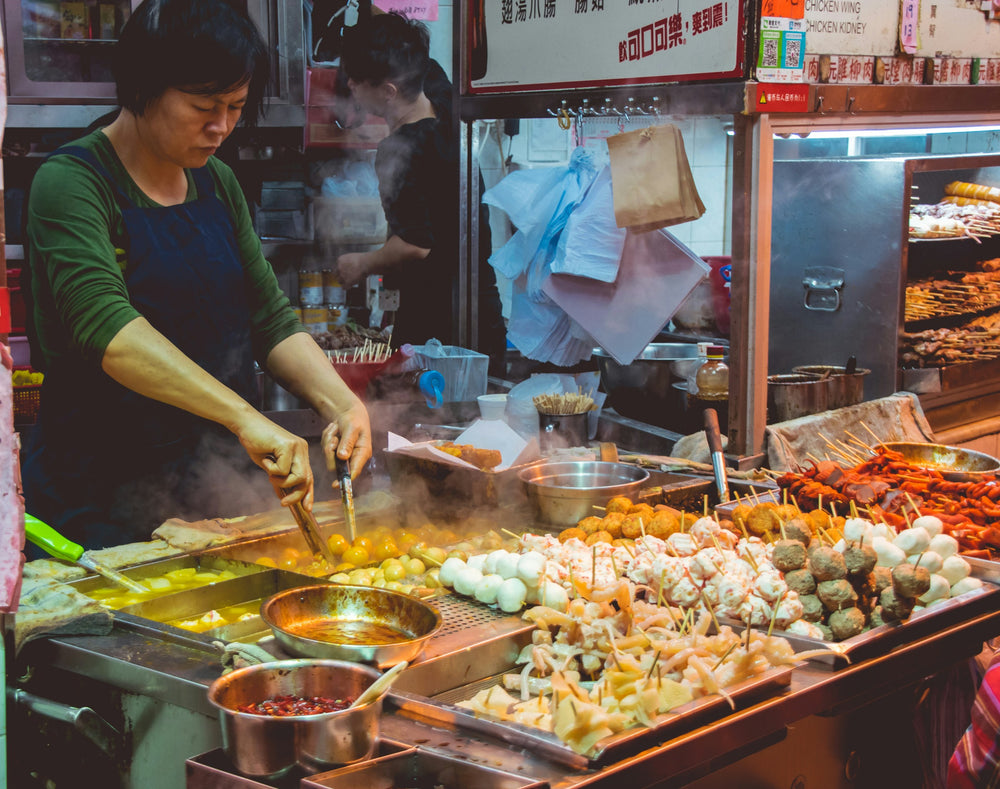
Local Cuisine Spotlight
The steam rising from a bustling street stall captures the heart of Hong Kong’s culinary soul, where every dish is served with a side of hard-earned tradition. It’s an inspiring glimpse into the rhythmic, peaceful dedication of local vendors who nourish the community, one flavorful skewer at a time.
Credits: Vernon Raineil Cenzon
Local cuisine study in Hong Kong, China

☕︎ Local Flavor

Luk Yu Tea House

Rating: 4.5★ | Price: $$$ | Coordinates: 22.2815° N, 114.1555° E

Navigate the heavy mahogany doors to enter a living chronicle of 1930s Lingnan elegance and literary congregation. The space is defined by stained glass, spittoons, and ceiling fans that stir the heavy air of tradition while silver-haired staff serve intricate dim sum. It functions as a cultural archive, preserving the ritual of "yum cha" as it was practiced before the city’s frantic modernization.

View Entry Details

Lin Heung Lau

Rating: 4.5★ | Price: $$ | Coordinates: 22.2851° N, 114.1519° E

Ascend into a cacophony of clacking porcelain and steam where the "trolley culture" of dim sum still reigns supreme. Witness the tactile intensity of diners wrestling for baskets of lotus seed buns amidst a sea of communal tables and traditional tea buckets. This establishment serves as an anchor for the city's culinary lineage, documenting the gritty, communal origins of Cantonese social dining.

View Entry Details

Mido Cafe

Rating: 4.5★ | Price: $ | Coordinates: 22.3106° N, 114.1699° E

Survey the neon-lit streets of Yau Ma Tei through the curved, vintage windows of this 1950s "bing sutt" time capsule. The interior architecture—featuring mosaic floor tiles and green iron window frames—provides a specific physical sensation of post-war Hong Kong. It remains a physical manuscript of the colonial fusion era, preserving the nostalgic aesthetic that defined the city’s cinematic golden age.

View Entry Details

Tai Ping Koon Restaurant (Central)

Rating: 4.5★ | Price: $$$ | Coordinates: 22.2818° N, 114.1549° E

Unearth the origins of "Soy Sauce Western" cuisine within a dining room that has hosted generals and poets since the late 19th century. The signature roasted young pigeon and Swiss sauce chicken wings represent a unique architectural fusion of French technique and Chinese ingredients. This site is a vital piece of the city's puzzle, documenting the cultural synthesis born from Hong Kong’s role as a global trade nexus.

View Entry Details

🛌︎ Boutique Stays

The Peninsula Hong Kong

Rating: 4.6★ | Price: $$$$ | Coordinates: 22.2951° N, 114.1721° E

Discover the "Grande Dame of the Far East," where neoclassical colonial architecture meets the cutting edge of modern luxury. The lobby’s gilded plasterwork and the fleet of Brewster Green Rolls-Royces evoke a specific sensation of imperial grandeur. It stands as an architectural ambition realized, preserving the lineage of high-society hospitality that defined the British Pacific.

View Entry Details

The Fleming

Rating: 4.5★ | Price: $$$ | Coordinates: 22.2785° N, 114.1741° E

Navigate a maritime-inspired landscape that pays homage to the iconic Star Ferry through brass fixtures and bottle-green accents. The bespoke carpentry and porthole-style mirrors provide a sensory connection to the city’s naval history. This boutique stay is a physical manuscript of Wan Chai’s industrial past, preserved within a sleek, modern frame.

View Entry Details

Upper House Hong Kong

Rating: 4.6★ | Price: $$$$ | Coordinates: 22.2774° N, 114.1661° E

Ascend above the urban density into an Andre Fu-designed sanctuary of limestone, bamboo, and silent sophistication. The minimalist architectural style focuses on "upward travel," using vast vertical spaces and monochromatic materials to create a Zen-like retreat. This hotel documents the transition of Hong Kong’s identity from a colonial outpost to a refined, contemporary global capital.

View Entry Details

Hotel ICON

Rating: 4.5★ | Price: $$$ | Coordinates: 22.3006° N, 114.1793° E

Explore a masterpiece of local collaboration featuring a vertical garden by Patrick Blanc and interiors by Vivian Tam. The architectural ambition is evident in its soaring glass atrium and integration of sustainable design principles. It serves as an archive of Hong Kong’s creative potential, showcasing the city’s ability to innovate within its limited, vertical geography.

View Entry Details

📍︎ Field Study

Tai Kwun

Rating: 4.5★ | Price: $$ | Coordinates: 22.2817° N, 114.1541° E

Navigate the granite walls of the former Central Police Station, now a sprawling complex of heritage and contemporary art. The juxtaposition of Victorian brickwork and the Herzog & de Meuron-designed "JC Cube" captures the city's architectural evolution. This site acts as an anchor for the city's identity, preserving the history of law and order while fostering modern expression.

View Entry Details

Man Mo Temple

Rating: 4.5★ | Price: $ | Coordinates: 22.2839° N, 114.1503° E

Enter a sanctuary where the scent of giant incense spirals creates a heavy, sacred atmosphere amidst the district’s financial towers. Built in 1847, the temple’s intricate wood carvings and ceramic figurines serve as a physical manuscript of Taoist and Buddhist devotion. It documents the endurance of spiritual lineage in a city defined by rapid material change.

View Entry Details

Tian Tan Buddha

Rating: 4.6★ | Price: $$ | Coordinates: 22.2540° N, 113.9050° E

Ascend the 268 steps to the base of the "Big Buddha," a massive bronze figure that oversees the South China Sea from Lantau’s peaks. The engineering of the statue, composed of 202 separate bronze pieces, reflects a monumental architectural ambition. This site is a vital piece of the spiritual puzzle, anchoring the Po Lin Monastery’s lineage as a center for Buddhist study.

View Entry Details

Ruins of Saint Paul's

Rating: 4.5★ | Price: $$$ | Coordinates: 22.1977° N, 113.5408° E

Unearth the remains of a 17th-century Jesuit cathedral, where the stone façade stands as a ghostly sentinel over Macau’s historic center. The intricate carvings of Japanese artisans and Catholic iconography represent a rare architectural manuscript of the "Silk Road of the Sea." This site documents the transition of the region from a missionary base to a multicultural trade hub.

View Entry Details

Typography

Archival Note: A formal technical study of Hong Kong, China—archiving the coordinates, elevation, and environmental data that define the region. This data serves as a vital record for our ongoing global field study, allowing us to reconstruct the regional atmosphere with archival precision before our physical arrival.

Botanical and pigment specimen study for Hong Kong, China Colors of Hong Kong, China
Coordinates
22.3193° N, 114.1694° E — South China Sea, Pearl River delta
Historical Epoch
British colonial acquisition after the First Opium War in 1842. Kowloon cession in 1860 and New Territories 99-year lease in 1898. Japanese occupation 1941–1945. Handover to China as Special Administrative Region under one country, two systems on July 1, 1997.
Elevation
47 m / 154 ft — Victoria Peak to sea level across Hong Kong Island and the New Territories
Atmosphere
Humid Subtropical (Cwa). Hot intensely humid summers with multiple typhoon warnings per season. Mild autumn October through November is the best travel window. Cool short winter December through February.
Observation Hour
18:15. Golden hour as the setting sun front-lights the Central and Wan Chai glass towers from the Tsim Sha Tsui Promenade — the window before the sun drops behind Lantau Island and the Symphony of Lights begins at 20:00.
Primary Pigment
Hong Kong Red (#DE2408) and Cloud White (#FFFFFF)
Best Time to Visit
October through December — the Northeast Monsoon brings clear skies, low humidity, and the best conditions for the harbor light show and Peak views
Avoid Visiting
May through September — the Southwest Monsoon brings typhoons, torrential rain, and the kind of humidity that makes the Star Ferry crossing an exercise in endurance

The Local Tongue

Language is the invisible architecture of Hong Kong, China. These entries document the regional vocabulary—capturing the "texture" of local speech that standard translations often miss. Hand-curated expressions reflecting the specific spirit and daily rhythm of the region.
Archival study of Cantonese cultural texture

via / Alison Pang

Primary Language Cantonese
Regional Dialect Hong Kong Cantonese

Ga-Yau (加油 - Jiāyóu / Gā-yàu)

This iconic phrase serves as the city’s collective heartbeat, fueling the relentless drive and resilience of its people. Whether you’re facing a tough exam or a long workday, it’s an empowering reminder that you have the inner fuel to push through any obstacle.

Jan-Hing (珍興 - Zhēnxīng / Jān-hing)

There is a profound sense of pride in the way Hong Kong balances its colonial history with its modern identity. It captures that magical feeling of standing amidst the neon lights, realizing that every bustling corner is a testament to human ingenuity and communal growth.

Yum-Cha (飲茶 - Yǐnchá / Yám-chà)

Beyond the food, this represents the city's soul—a time to slow down, reconnect with loved ones, and find peace in the middle of urban chaos. It’s an inspiring ritual that reminds us that no matter how fast the world moves, there is always space for a warm cup of tea and shared laughter.

Wait! before you go...

Before you head over to Hong Kong, China, we’ve audited the essential data points for this corner of the world. These notes cover the logistics—from currency ratios to transit hubs—to help you navigate the landscape with clarity.
🚲 Getting Around The MTR (subway) is your best friend for speed and peace of mind because it is incredibly clean, air-conditioned, and perfectly on time. For a more scenic and peaceful soul-soothing journey, nothing beats the Star Ferry across the harbor or the vintage "Ding Ding" trams on Hong Kong Island.
⚖️ Cash or Card The city is leaning heavily into digital payments, but I recommend a 40/60 ratio of cash to card. While you can tap your card or phone at most shops and restaurants, you will definitely want cash for those charming "hole-in-the-wall" dim sum spots, wet markets, and for topping up your essential Octopus card.
☁️ Good to Know One beautiful unwritten rule is to always use two hands when giving or receiving something, like a business card or a gift, as it shows great respect. Also, keep an eye out for "dragon holes" in the middle of skyscrapers—these large openings are left there so dragons can fly from the mountains to the sea without their path being blocked!
🏧 ATMs Finding an ATM is incredibly easy as they are tucked into almost every MTR station, shopping mall, and convenience store like 7-Eleven. For the most reliable service with foreign cards, look for HSBC, Hang Seng Bank, or Bank of China machines which are very common and very safe.
💳 Currency The money is the Hong Kong Dollar (HKD). The exchange vibe is very straightforward, and you will notice the banknotes are colorful and come in various designs because three different banks actually print their own versions of the bills.
🔌 Plugs For your tech and gear, you will need Type G plugs, which are the three-pronged rectangular pins identical to those used in the United Kingdom. The voltage is 220V, so if your devices are dual-voltage like most modern phones and laptops, a simple adapter will do the trick perfectly.
🛡️ Safety Hong Kong is consistently ranked as one of the safest cities in the world for travelers. Just keep your usual "city smarts" about you in crowded markets to watch for pickpockets, and rest easy knowing that the streets are well-lit and locals are generally very helpful if you ever look a bit lost.
✈️ Airports You will almost certainly land at Hong Kong International Airport (HKG), which is located on the island of Chek Lap Kok. It is one of the most efficient and beautiful airports in the world, often featuring lush indoor greenery and even an IMAX theater to welcome you.