Shop the Collection

To help you build your own global archive, we've prepared this collection of watercolor studies from our research into Hiroshima, Japan. These artifacts are designed to bring the stillness of this corner of the world into your home.

Original Series Decorative Magnet

A personal study of Hiroshima, Japan, captured in high-fidelity watercolor and prepared for your collection.

Hiroshima, Japan | Atomic Bomb Dome Riverside | Original Series Decorative Magnet
Add to Collection / $18
Exclusive Series Artifact

Original Series Gallery Canvas

This high-fidelity canvas is a beautiful way to anchor a room and keep your memories of Hiroshima, Japan fresh long after you've returned home.

Hiroshima, Japan | Atomic Bomb Dome Riverside | Original Series Gallery Canvas detail Hiroshima, Japan | Atomic Bomb Dome Riverside | Original Series Gallery Canvas detail Hiroshima, Japan | Atomic Bomb Dome Riverside | Original Series Gallery Canvas detail Hiroshima, Japan | Atomic Bomb Dome Riverside | Original Series Gallery Canvas detail
Add to Collection / $65

Original Series Hardboard Coaster

A personal study of Hiroshima, Japan, captured in high-fidelity watercolor and prepared for your collection.

Hiroshima, Japan | Atomic Bomb Dome Riverside | Original Series Hardboard Coaster
Add to Collection / $18
Exclusive Series Artifact

The Spirit of the Land

Archival Note: A curated field study of Hiroshima, Japan, prioritizing the specific atmospheric stillness of the region. These artifacts have been meticulously sourced from our global archival partners to represent the area's unique cultural frequency and environmental character. This selection serves as a formal observation for our ongoing global archive, vetted for its visual accuracy and archival merit.

Hiroshima, Japan study No. 01
Hiroshima, Japan / 01 VIA / Mauricio Ortiz
Soft afternoon light bathes this riverside scene in gentle tones of blue and cream, casting warm shadows across the concrete bridge. The composition captures the blend of postwar architecture and contemporary urban development that defines Hiroshima's character, with the distinctive tower rising among mid-century buildings across the water. A few pedestrians walk the bridge's railing, their presence grounding the scene in quiet, everyday life.
Hiroshima, Japan study No. 02
Hiroshima, Japan / 02 VIA / Zane Holmes
The pristine fountains catch brilliant afternoon sunlight, their white water columns creating a striking contrast against the deep blue sky. Standing here would feel peaceful and contemplative, with the gentle sound of cascading water and cool mist in the air. The architectural geometry and manicured landscaping evoke a sense of quiet dignity and reflection.
Hiroshima, Japan study No. 03
Hiroshima, Japan / 03 VIA / Dmitry Romanoff
The Hiroshima Peace Memorial stands as a solemn reminder of the atomic bombing on August 6, 1945. The skeletal steel framework atop the dome and exposed brick walls create a haunting contrast against the serene blue sky and manicured lawn. Often overlooked are the weathered concrete pillars in the foreground, their surfaces etched with time and standing like sentinels around the ruins, grounding the memorial in its historical context.

Where to wander

Archival Note: A curated field study of Hiroshima, Japan, prioritizing cultural relevance and archival merit. These locations have been meticulously researched and vetted to ensure they represent the most authentic atmosphere for your own expedition.

Local Cuisine Spotlight
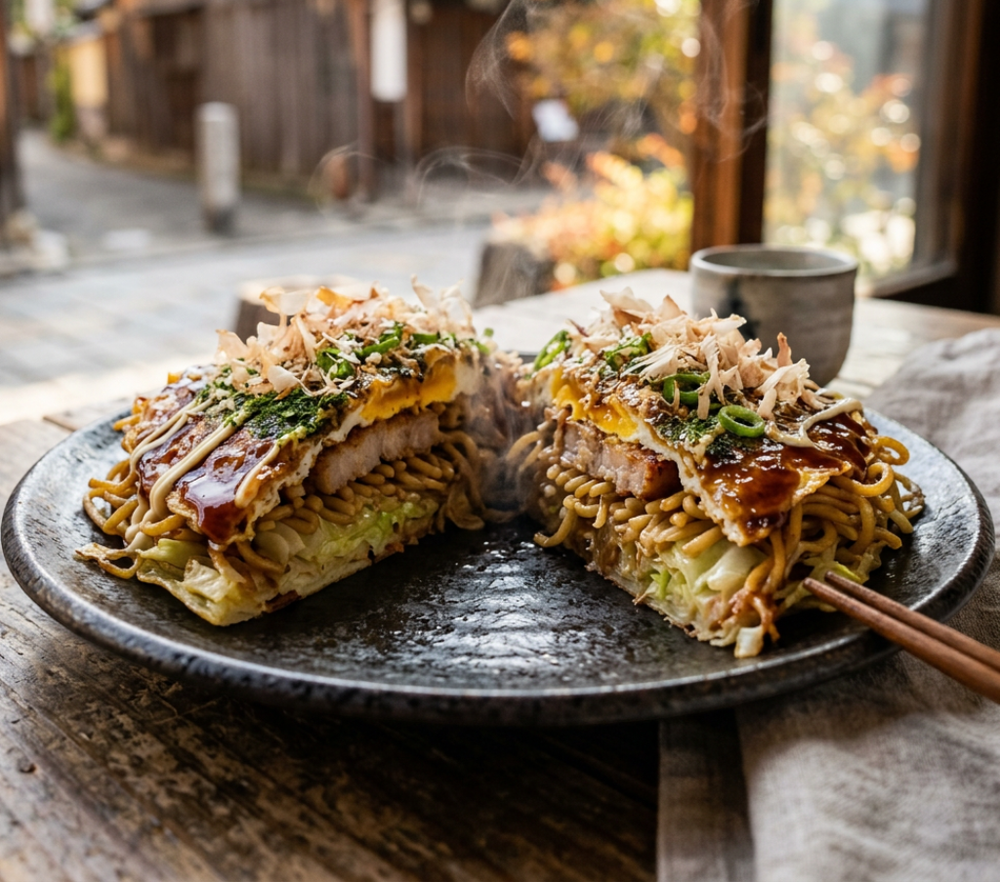
These magnificent Hiroshima-style okonomiyaki showcase layers of crispy noodles, tender meat, and wilted greens bound together in one glorious pancake. Crowned with dancing bonito flakes and bright green onions, each bite delivers the perfect balance of textures and umami-rich flavors. The glossy sauce coating brings everything together in this iconic Japanese street food masterpiece.
Credits: THE PAINTED PASSPORT
Local cuisine study in Hiroshima, Japan

☕︎ Local Flavor

Hassei

Rating: 5* | Price: $$$ | Coordinates: 34.3894° N, 132.4555° E

Hassei is celebrated across Hiroshima for its exceptional Hiroshima-style okonomiyaki, layered with crispy noodles and fresh local vegetables. The open kitchen lets you watch skilled chefs work the iron griddles with practiced confidence and obvious pride. Every bite carries a satisfying depth of flavor that keeps visitors returning again and again.

View Entry Details

Kakifune Kanawa

Rating: 5* | Price: $$$$ | Coordinates: 34.3921° N, 132.4569° E

Moored along the Ota River, this floating oyster restaurant offers one of the most unique dining experiences in all of Japan. Hiroshima oysters are served in countless irresistible ways, from smoky grilled preparations to rich, creamy gratins. The gentle sway of the boat and riverside lantern light make dinner here feel genuinely enchanting.

View Entry Details

Sushidokoro Katsumoto

Rating: 4* | Price: $$$ | Coordinates: 34.3883° N, 132.4572° E

This intimate sushi counter serves pristine Seto Inland Sea fish with quiet expertise and a deep respect for seasonal ingredients. The chef selects each piece with care, explaining the origin of every fish in a way that deepens your appreciation with each course. Warm wooden interiors and soft lighting create an atmosphere that feels both refined and wonderfully relaxed.

View Entry Details

Nagataya

Rating: 4* | Price: $$ | Coordinates: 34.3877° N, 132.4548° E

Nagataya is a beloved local institution where lines form early and the energy inside is lively and joyful from morning through night. Their Hiroshima okonomiyaki is generously portioned and arrives sizzling with perfectly crisp edges and a rich savory sauce. The casual counter seating invites you to chat with neighbors and soak up the authentic neighborhood spirit.

View Entry Details

🛌︎ Boutique Stays

Sheraton Grand Hiroshima Hotel

Rating: 5* | Price: $$$$ | Coordinates: 34.3963° N, 132.4596° E

Connected directly to Hiroshima Station, this sleek hotel offers sweeping city views from its upper floors. Rooms are spacious and thoughtfully appointed with plush bedding and modern Japanese touches. The on-site restaurant serves beautifully crafted local dishes that make every evening feel like a celebration.

View Entry Details

Hotel Granvia Hiroshima

Rating: 4* | Price: $$$ | Coordinates: 34.3972° N, 132.4601° E

This polished hotel sits right above Hiroshima Station, making it wonderfully convenient for explorers arriving by shinkansen. The rooms blend comfort and functionality, with large windows that frame the surrounding cityscape beautifully. Staff are genuinely warm and eager to offer personalized tips for making the most of your visit.

View Entry Details

Rihga Royal Hotel Hiroshima

Rating: 4* | Price: $$$ | Coordinates: 34.3867° N, 132.4523° E

Sitting elegantly near the Peace Memorial Park, this landmark hotel has welcomed guests for decades with gracious hospitality. Its refined rooms offer a calming retreat after days spent exploring the city's deeply moving historical sites. The rooftop pool and spa add a welcome touch of luxury to every stay.

View Entry Details

bnb+ Hiroshima Peace Park

Rating: 3* | Price: $$ | Coordinates: 34.3941° N, 132.4514° E

This charming boutique guesthouse places you just steps from the iconic Peace Memorial Park, making early morning walks truly magical. Rooms are compact but cleverly designed, reflecting a cozy Japanese sensibility that feels both restful and inviting. Friendly hosts greet you like family and love sharing insider knowledge about the neighborhood.

View Entry Details

📍︎ Field Study

Hiroshima Peace Memorial Park

Rating: 5* | Price: Free | Coordinates: 34.3955° N, 132.4531° E

This solemn and beautifully maintained park stands at the epicenter of the 1945 atomic bombing and honors the lives lost with profound grace. Winding paths connect memorials, monuments, and the iconic Atomic Bomb Dome, each stop offering a moment for quiet reflection. Visiting at dawn when the park is nearly empty makes the experience especially moving and deeply personal.

View Entry Details

Hiroshima Peace Memorial Museum

Rating: 5* | Price: $ | Coordinates: 34.3942° N, 132.4527° E

This essential museum presents the human story of August 6, 1945 through carefully preserved artifacts, photographs, and survivor testimonies. Exhibitions are thoughtfully curated to educate visitors without sensationalizing, leaving you with a powerful sense of empathy and purpose. Allowing at least two hours ensures you can absorb each gallery at a pace that honors the weight of what is shared.

View Entry Details

Miyajima Island and Itsukushima Shrine

Rating: 5* | Price: $$ | Coordinates: 34.2959° N, 132.3194° E

A short ferry ride from Hiroshima brings you to one of Japan's most iconic landscapes, where a vermillion torii gate appears to float on the tidal waters. The Itsukushima Shrine complex weaves elegantly across the sea on wooden stilts, creating a scene of extraordinary beauty at every tide. Friendly deer roam the island freely, adding an unexpected and delightful sense of wonder to every stroll.

View Entry Details

Hiroshima Castle

Rating: 4* | Price: $ | Coordinates: 34.4019° N, 132.4594° E

Reconstructed after the war with admirable care, Hiroshima Castle rises impressively above its surrounding moat and wide stone walls. Inside, a fascinating museum traces the castle's history and the broader story of the feudal lords who once ruled this prosperous region. Climbing to the top floor rewards you with panoramic views across the city that are especially gorgeous during cherry blossom season.

View Entry Details

Typography

Archival Note: A formal technical study of Hiroshima, Japan, archiving the coordinates, elevation, and environmental data that define the region. This data serves as a vital record for our ongoing global field study, providing the technical foundation behind every atmospheric detail captured in our visual work.

Botanical and pigment specimen study for Hiroshima, Japan Colors of Hiroshima, Japan
Coordinates
34.3853° N, 132.4553° E — Central Hiroshima, Chugoku Region, Western Honshu, Japan
Historical Epoch
Founded as a castle town in 1589 by lord Mori Terumoto, Hiroshima rose as a merchant and military hub before August 6, 1945 made it the first city in history struck by an atomic bomb. Its postwar rebuilding became a global symbol of human endurance.
Elevation
0-50 m / 0-164 ft. Hiroshima sits on a low river delta plain where the Ota River meets the Seto Inland Sea, nearly at sea level throughout the city center.
Atmosphere
Cfa, Humid Subtropical. Hiroshima enjoys mild springs and autumns with warm, humid summers and light winters, sitting sheltered from harsher weather by surrounding mountains.
Observation Hour
06:30. River mist softens the early light over the Ota delta into a warm pearl glow, and the A-Bomb Dome catches the first gold of sunrise before the city stirs.
Primary Pigment
Torii Vermillion (#C0392B) and Seto Sea Celadon (#7FB5A0)
Best Time to Visit
March through May. Cherry blossoms bloom along the Ota River in late March, and mild spring temperatures make walking the Peace Park and Miyajima Island a genuine pleasure.
Avoid Visiting
July through August. Peak summer brings intense heat, high humidity, and the main rainy season, making outdoor sightseeing uncomfortable and crowded during school holiday periods.

The Local Tongue

Language is the invisible architecture of Hiroshima, Japan. These entries document the regional vocabulary—capturing the "texture" of local speech that standard translations often miss. Hand-curated expressions reflecting the specific spirit and daily rhythm of the region.
Archival study of Japanese cultural texture

via / Lana

Primary Language Japanese
Regional Dialect Hiroshima-ben (Chugoku dialect)

Gaman (gaman / がまん)

Gaman means patient endurance, bearing difficulty with quiet dignity rather than complaint. In Hiroshima it carries a weight far beyond everyday use, heard in the stories of hibakusha survivors who rebuilt their lives from the delta riverbanks outward, one careful step at a time.

Natsukashii (なつかしい)

Natsukashii describes a warm, bittersweet longing for something cherished from the past. Locals use it standing before old photographs in the Peace Memorial Museum, feeling not pure sadness but a tender ache for a city and its people that existed before a single August morning changed everything.

Okonomi (お好み)

Okonomi means 'as you like it,' and it names Hiroshima's layered savory pancake, the okonomiyaki, built to personal preference at iron griddles. The word captures a local philosophy of generous choice, best understood watching a cook at Nagataya fold noodles and cabbage with unhurried, practiced hands.

Wait! before you go...

Before you head over to Hiroshima, Japan, we’ve audited the essential data points for this corner of the world. These notes cover the logistics—from currency ratios to transit hubs—to help you navigate the landscape with clarity.
🚲 Getting Around Hiroshima has an excellent streetcar network, one of Japan's oldest, that connects the city center, Peace Park, and the main station with great reliability. The Sanyo Shinkansen links Hiroshima to Osaka in under 90 minutes and to Tokyo in roughly four hours.
⚖️ Cash or Card Japan remains meaningfully cash-forward, and Hiroshima is no exception. Smaller restaurants, temple entry fees, and market stalls strongly prefer yen in hand, so carrying a comfortable amount of cash at all times is a practical necessity rather than an optional habit.
☁️ Good to Know Hiroshima residents speak with the distinctive Hiroshima-ben dialect, which sounds warmer and more melodic to many ears than standard Tokyo Japanese. Visitors should know that the local okonomiyaki is layered rather than mixed, and ordering it the Tokyo way at a Hiroshima shop is genuinely noticed.
🏧 ATMs 7-Eleven, Japan Post, and Aeon Bank ATMs reliably accept foreign cards and offer English-language interfaces throughout Hiroshima. Bank branch ATMs often have limited hours and may not support international cards, so convenience store ATMs are the practical first choice for visitors.
💳 Currency Japan's currency is the Japanese Yen (JPY), issued in coins of 1, 5, 10, 50, 100, and 500 yen and banknotes of 1,000, 5,000, and 10,000 yen. The yen has no subdivisions in modern use, making mental arithmetic in shops straightforward once the exchange rate is understood.
🔌 Plugs Japan uses Type A outlets at 100V / 50-60Hz. Most devices from North America work without an adapter, while European and Australian plugs require a Type A adapter.
🛡️ Safety Hiroshima is one of Japan's safest cities with extremely low rates of violent crime and a strong culture of public order and mutual respect. Standard travel awareness applies, and visitors should take the usual precautions with personal belongings in busy transit hubs and tourist areas.
✈️ Airports Hiroshima Airport (HIJ) serves the city from about 50 kilometers east, with domestic connections to Tokyo, Sapporo, and Okinawa plus limited international routes including Seoul. Many visitors arrive via Osaka Kansai or Fukuoka and travel onward by Shinkansen, which is fast and extremely comfortable.

Behind The Scenes

Nathan

Note from the Founder

Hey, did you know this fun fact about Hiroshima, Japan? Hiroshima is Japan's leading oyster producer, responsible for nearly 60 percent of national output. The briny, plump oysters from the Seto Inland Sea have been cultivated here for over 400 years and appear on nearly every local menu in some form.
Thank you for exploring the Hiroshima, Japan series with us. We hope these notes have inspired you to add this incredible destination to your own passport—we are so glad you're here. Nathan's signature

Some of our Favorites