Shop the Collection

To help you build your own global archive, we've prepared this collection of watercolor studies from our research into Harar, Ethiopia. These artifacts are designed to bring the stillness of this corner of the world into your home.

Original Series Decorative Magnet

A personal study of Harar, Ethiopia, captured in high-fidelity watercolor and prepared for your collection.

Harar, Ethiopia | Ancient Walled City Alley | Original Series Decorative Magnet
Add to Collection / $18
Exclusive Series Artifact

Original Series Gallery Canvas

This high-fidelity canvas is a beautiful way to anchor a room and keep your memories of Harar, Ethiopia fresh long after you've returned home.

Harar, Ethiopia | Ancient Walled City Alley | Original Series Gallery Canvas detail Harar, Ethiopia | Ancient Walled City Alley | Original Series Gallery Canvas detail Harar, Ethiopia | Ancient Walled City Alley | Original Series Gallery Canvas detail Harar, Ethiopia | Ancient Walled City Alley | Original Series Gallery Canvas detail
Add to Collection / $65

Original Series Hardboard Coaster

A personal study of Harar, Ethiopia, captured in high-fidelity watercolor and prepared for your collection.

Harar, Ethiopia | Ancient Walled City Alley | Original Series Hardboard Coaster
Add to Collection / $18
Exclusive Series Artifact

The Spirit of the Land

Archival Note: A curated field study of Harar, Ethiopia, prioritizing the specific atmospheric stillness of the region. These artifacts have been meticulously sourced from our global archival partners to represent the area's unique cultural frequency and environmental character. This selection serves as a formal observation for our ongoing global archive, vetted for its visual accuracy and archival merit.

Harar, Ethiopia study No. 01
Harar, Ethiopia / 01 VIA / Abenezer Muluken
The afternoon light catches the warm terracotta tones of the ancient stone structure, casting soft shadows across the weathered brick facade. Lush green trees frame the castle on both sides, their foliage creating a natural boundary between the fortress and the surrounding landscape. The modest grass courtyard and wooden doors speak to the everyday reality of this historic site, grounding it in the present moment rather than distant memory.
Harar, Ethiopia study No. 02
Harar, Ethiopia / 02 VIA / Mehmet Turgut Kirkgoz
Warm sunlight bathes the intricate facade, casting sharp shadows that emphasize the geometric patterns and vibrant colors. Standing here, one would be immersed in the sensory richness of Harar's medieval architecture, surrounded by the meticulous craftsmanship evident in every decorative detail. The quiet courtyard conveys a sense of timelessness, inviting contemplation of centuries past.
Harar, Ethiopia study No. 03
Harar, Ethiopia / 03 VIA / Jan van der Wolf
This charming residential storefront showcases the distinctive blue and white color palette characteristic of Harar's historic architecture. The facade is adorned with potted plants and blue wooden planters that frame the entrance, creating a welcoming street-level presentation. Often overlooked are the delicate power lines running horizontally across the upper portion of the wall, a quiet reminder of modern infrastructure woven into this centuries-old city's traditional aesthetic.

Where to wander

Archival Note: A curated field study of Harar, Ethiopia, prioritizing cultural relevance and archival merit. These locations have been meticulously researched and vetted to ensure they represent the most authentic atmosphere for your own expedition.

Local Cuisine Spotlight
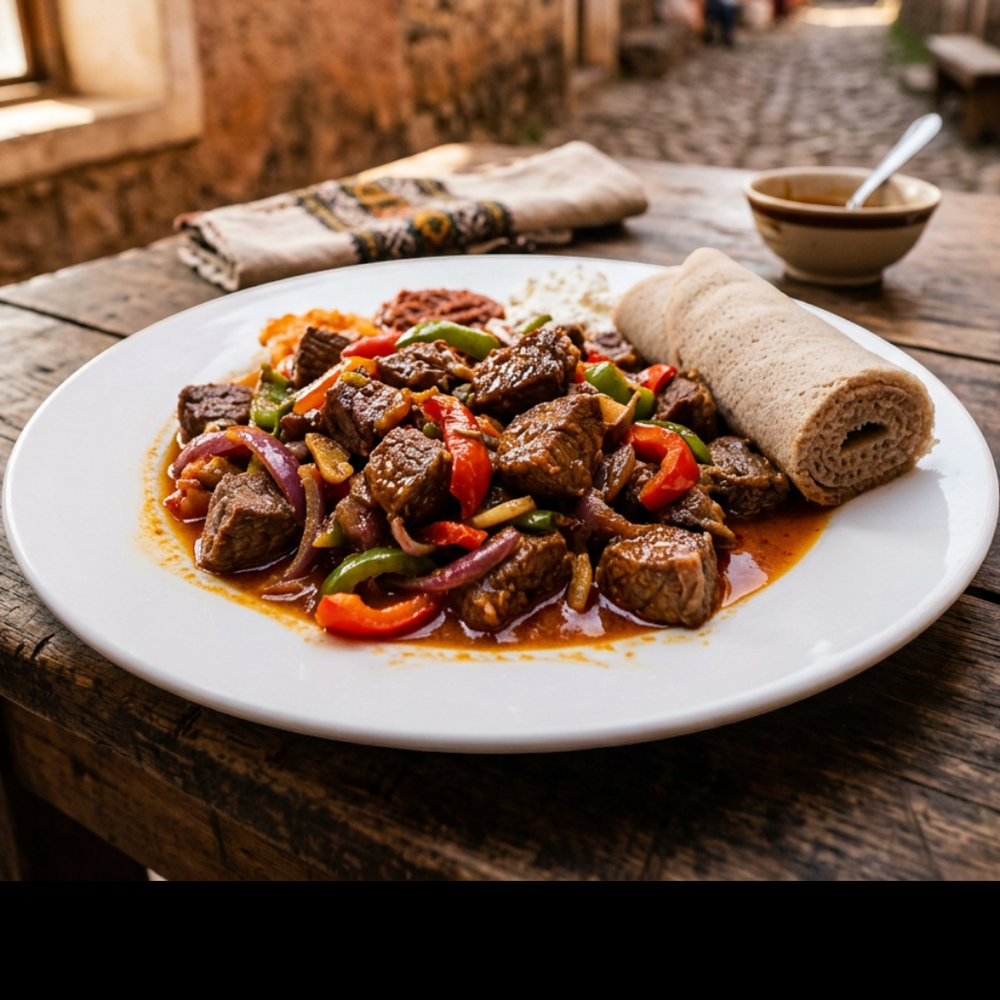
Tibs represents the heart of Ethiopian cuisine, where quality beef is quickly seared and tossed with caramelized onions and colorful peppers, creating a dish of perfect balance between spice, smokiness, and tender meat. Served alongside spongy injera bread, this beloved preparation celebrates the region's pastoral traditions and bold flavors that warm the soul with every bite.
Credits: THE PAINTED PASSPORT
Local cuisine study in Harar, Ethiopia

☕︎ Local Flavor

Hirut Cultural Restaurant

Rating: 5* | Price: $$ | Coordinates: 9.3109° N, 42.1278° E

Hirut Cultural Restaurant is a treasured local institution serving slow-cooked Harari dishes that have been prepared the same way for generations. The signature fah-fah soup, a rich broth with tender lamb and fragrant spices, is reason enough to make the journey across the city. The dining room is warm and welcoming, decorated with traditional baskets and lit by soft golden lanterns throughout the evening.

View Entry Details

Harar Tej House

Rating: 4* | Price: $ | Coordinates: 9.3133° N, 42.1295° E

The Harar Tej House is a lively and unpretentious gathering spot where locals come to sip tej, a sweet honey wine with a pleasantly mellow finish. Platters of spiced tibs and freshly baked ambasha bread are served throughout the day, making it easy to linger for hours. The courtyard fills with animated conversation and laughter, giving visitors an authentic window into everyday Harari social life.

View Entry Details

Feres Magala Market Stalls

Rating: 5* | Price: $ | Coordinates: 9.3120° N, 42.1308° E

The food stalls surrounding Feres Magala, the famous horse market square, offer some of the most exciting and affordable street food in all of Ethiopia. Vendors serve sizzling grilled meat skewers, spiced lentil sambusas, and sweet macchiatos from tiny storefronts overflowing with color and fragrance. Eating here alongside local traders and students is one of the most genuine and memorable experiences Harar has to offer.

View Entry Details

Khayyam Restaurant

Rating: 4* | Price: $$ | Coordinates: 9.3098° N, 42.1263° E

Khayyam Restaurant brings together Ethiopian and Harari flavors in a comfortable setting that appeals to both adventurous foodies and those seeking familiar comforts. The kitchen takes real pride in its berbere-spiced stews, which arrive bubbling in clay pots alongside generous portions of soft, spongy injera. The attentive service and carefully sourced local ingredients make every meal here feel thoughtful and satisfying.

View Entry Details

🛌︎ Boutique Stays

Ras Hotel Harar

Rating: 3* | Price: $$ | Coordinates: 9.3117° N, 42.1285° E

Ras Hotel is a beloved classic perched near the old city walls, offering comfortable rooms with a distinctly Ethiopian character. The staff greet every guest with genuine warmth and are eager to share local tips about the ancient walled city. Mornings here begin beautifully with a traditional coffee ceremony and views over the surrounding hills.

View Entry Details

Weygoss Guesthouse

Rating: 4* | Price: $$ | Coordinates: 9.3125° N, 42.1301° E

Tucked inside the old walled city of Jugol, Weygoss Guesthouse places you right in the heart of Harar's living heritage and centuries-old culture. The rooms are decorated with traditional woven baskets and handcrafted textiles that reflect the city's rich artisan traditions. Staying here feels genuinely personal, with hosts who cook fresh local meals and share stories about Harari history.

View Entry Details

Harar Jupiter Hotel

Rating: 4* | Price: $$$ | Coordinates: 9.3089° N, 42.1254° E

Harar Jupiter Hotel offers a modern and polished experience just a short walk from the famous Shewa Gate. The property features spacious rooms, reliable Wi-Fi, and a rooftop terrace where guests can enjoy sweeping views of the city at sunset. It is an ideal base for travelers who want contemporary comfort while exploring the medieval alleyways and markets nearby.

View Entry Details

Rewda Traditional Guesthouse

Rating: 4* | Price: $$ | Coordinates: 9.3141° N, 42.1319° E

Rewda Traditional Guesthouse is a beautifully restored traditional Harari house where every room opens onto a central courtyard decorated with colorful pottery and textiles. The architecture reflects centuries of Harari design, with intricately carved wooden doors and tiered shelving known as nadoba lining the walls. Guests consistently praise the homemade injera breakfasts and the deeply peaceful atmosphere of this intimate retreat.

View Entry Details

📍︎ Field Study

Jugol Old Walled City

Rating: 5* | Price: Free | Coordinates: 9.3118° N, 42.1290° E

Jugol, the ancient walled city of Harar, is a UNESCO World Heritage Site and one of the most extraordinary urban landscapes in Africa, with over 80 mosques and 102 shrines woven through a labyrinth of narrow lanes. Walking its alleyways at dawn, when the call to prayer echoes across the ochre-colored walls, is a deeply moving and unforgettable experience. The city has been continuously inhabited for centuries and pulses with a living culture that no photograph can fully capture.

View Entry Details

Hyena Feeding at Aw Aboker Gate

Rating: 5* | Price: $ | Coordinates: 9.3155° N, 42.1275° E

Each night after dark, the legendary hyena men of Harar gather near Aw Aboker Gate to feed wild spotted hyenas by hand, continuing a tradition that stretches back at least 500 years. Visitors are invited to participate, holding a short stick with a piece of meat while a hyena steps close enough to take it directly from their grip. The experience is thrilling, surprisingly gentle, and unlike anything else available to travelers anywhere in the world.

View Entry Details

Arthur Rimbaud Museum

Rating: 4* | Price: $ | Coordinates: 9.3112° N, 42.1282° E

The Arthur Rimbaud Museum occupies a beautifully restored 19th-century merchant house where the famous French poet once lived during his years as a trader in Harar. The collection includes photographs, letters, and artifacts that trace both Rimbaud's personal story and the vibrant commercial history of the city during the late 1800s. The building itself, with its painted facades and wide verandas, is as captivating as the exhibits displayed within its rooms.

View Entry Details

Harar National Cultural Museum

Rating: 4* | Price: $ | Coordinates: 9.3126° N, 42.1299° E

Housed inside a traditional Harari residence, the Harar National Cultural Museum offers a beautifully curated journey through the art, dress, jewelry, and domestic life of the Harari people across many centuries. The collection of handwoven baskets, intricate silver ornaments, and ceremonial costumes illustrates the remarkable creativity that has flourished in this small walled city for generations. Knowledgeable guides are available to explain the significance of each artifact and share stories that bring the displays vividly to life.

View Entry Details

Typography

Archival Note: A formal technical study of Harar, Ethiopia, archiving the coordinates, elevation, and environmental data that define the region. This data serves as a vital record for our ongoing global field study, providing the technical foundation behind every atmospheric detail captured in our visual work.

Botanical and pigment specimen study for Harar, Ethiopia Colors of Harar, Ethiopia
Coordinates
9.3118° N, 42.1290° E — Jugol Old Walled City, Harar, Ethiopia
Historical Epoch
Founded in the 10th century and reaching its peak as a major Islamic trading hub between the 16th and 19th centuries, Harar developed in near isolation behind its walls, producing a wholly unique culture, language, and urban form unlike anywhere else in the Horn of Africa.
Elevation
1,885 m / 6,184 ft. Harar sits high on a ridge in the eastern Ethiopian highlands, giving the walled city a noticeably fresh air and dramatic views over the surrounding lowlands.
Atmosphere
Cwb, Subtropical Highland. Harar enjoys mild temperatures year-round with two rainy seasons. Mornings are often crisp and clear, afternoons warm, and evenings genuinely cool.
Observation Hour
06:30. The early morning sun rakes low across the ochre walls and spice markets of Jugol, casting long amber shadows through the narrow alleyways before the crowds and midday haze arrive.
Primary Pigment
Burnt Sienna (#A0522D) and Saffron Gold (#F4A623)
Best Time to Visit
October through January. The short rains have ended, skies are clear, temperatures are pleasant, and the walled city glows in dry-season light.
Avoid Visiting
July through August. The main rainy season brings heavy afternoon downpours, muddy alleyways, and overcast light that limits both photography and comfortable exploration.

The Local Tongue

Language is the invisible architecture of Harar, Ethiopia. These entries document the regional vocabulary—capturing the "texture" of local speech that standard translations often miss. Hand-curated expressions reflecting the specific spirit and daily rhythm of the region.
Archival study of Harari (Ge Sinaana) cultural texture

via / Tsion Molla

Primary Language Harari (Ge Sinaana)
Regional Dialect Harari, with Amharic, Somali, and Oromo widely spoken throughout the city and surrounding region.

Gegar

Gegar refers to the traditional Harari house, a distinct architectural form unique to the walled city. Visitors stepping inside one encounter a tall, colorful interior wall of niches and baskets that serves as both a display of family wealth and a functional storage system, filling the room with the scent of woven straw and generations of domestic life.

Afocha (አፎቻ)

Afocha (አፎቻ) describes the traditional neighborhood self-help association that has bound Harari communities together for centuries. When a family hosts a celebration or faces hardship, the afocha members arrive collectively, and the sound of coordinated activity and shared labor becomes the living texture of how trust is maintained in this compact walled city.

Tiya

Tiya is a term of warm respect and affection used between close companions or neighbors, carrying a sense of deep social belonging that simple translation cannot capture. In Harar's tight alleyways, hearing it called across a courtyard as coffee is being prepared signals an invitation that goes far beyond the drink itself, extending into the unhurried rhythm of Harari hospitality.

Wait! before you go...

Before you head over to Harar, Ethiopia, we’ve audited the essential data points for this corner of the world. These notes cover the logistics—from currency ratios to transit hubs—to help you navigate the landscape with clarity.
🚲 Getting Around Within Harar, walking is the only real option inside the Jugol walls, as the alleyways are too narrow for vehicles. Minibuses and bajaj three-wheelers connect the old city to the new town and outlying areas efficiently and cheaply.
⚖️ Cash or Card Harar operates almost entirely on cash, particularly inside the walled city where markets, small restaurants, and guesthouses rarely accept cards. Travelers should carry sufficient Ethiopian birr before entering Jugol, as ATM access inside the old city is limited.
☁️ Good to Know Khat chewing is a deeply embedded social ritual in Harar, and the afternoon slowdown after the morning khat market is a real phenomenon that affects shop hours and general pace. Visitors who understand and respect this rhythm rather than fighting it will find the city opens up more generously in the cooler early hours.
🏧 ATMs ATMs are available in the new town area of Harar and along the main road approaching Jugol, with Commercial Bank of Ethiopia and Dashen Bank branches being the most reliable. Cards on the Visa network generally have better acceptance than Mastercard, and machines can run out of cash on busy market days, so withdrawing early in the day is wise.
💳 Currency The Ethiopian Birr (ETB) is the sole official currency, and all transactions in Harar from market stalls to hotel rooms are conducted in birr. US dollars are not accepted in everyday commerce, so exchanging money at a bank or bureau de change in Harar or Dire Dawa before entering the old city is strongly recommended.
🔌 Plugs Ethiopia uses Type C and Type L outlets at 220V and 50Hz. A universal travel adapter is recommended, as socket quality inside older guesthouses can vary.
🛡️ Safety Harar is considered one of the safer cities in Ethiopia for travelers, with a strong community fabric inside the walled city that has historically kept crime low. Standard urban awareness applies at night near the outer gates, and solo travelers are advised to arrange hyena feeding visits through a guesthouse contact rather than approaching informally.
✈️ Airports Harar is served by Dire Dawa Aba Tenna Dejazmach Yilma International Airport (DIR), located approximately 52 km away and reachable by shared minibus or hired vehicle in around one hour. Ethiopian Airlines operates regular flights from Addis Ababa Bole International Airport (ADD), making Dire Dawa the standard gateway for international visitors heading to Harar.

Behind The Scenes

Nathan

Note from the Founder

Hey, did you know this fun fact about Harar, Ethiopia? Harar contains 82 mosques within the Jugol walls, more mosques per square kilometer than almost any city on earth, and the call to prayer here layers across the rooftops in a haunting, overlapping chorus at dawn.
Thank you for exploring the Harar, Ethiopia series with us. We hope these notes have inspired you to add this incredible destination to your own passport—we are so glad you're here. — Nathan

Some of our Favorites