Shop the Collection

To help you build your own global archive, we've prepared this collection of watercolor studies from our research into Girona, Spain. These artifacts are designed to bring the stillness of this corner of the world into your home.

Original Series Decorative Magnet

A personal study of Girona, Spain, captured in high-fidelity watercolor and prepared for your collection.

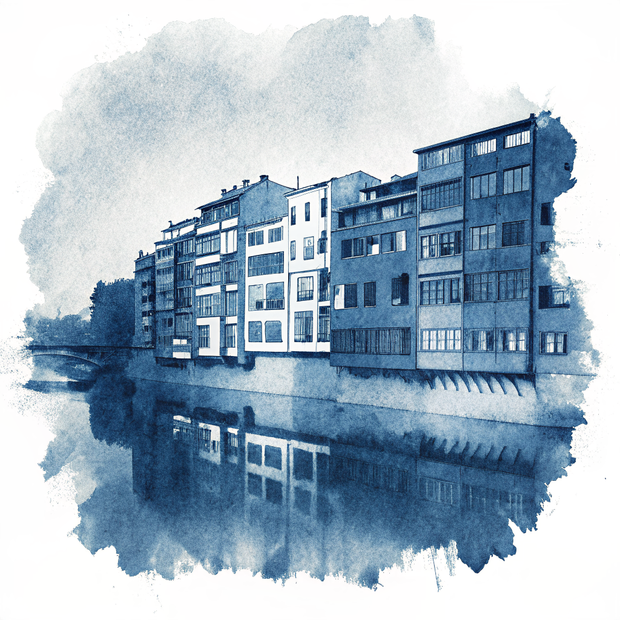
Girona, Spain | River Onyar Colorful Houses | Original Series Decorative Magnet
Add to Collection / $18
Exclusive Series Artifact

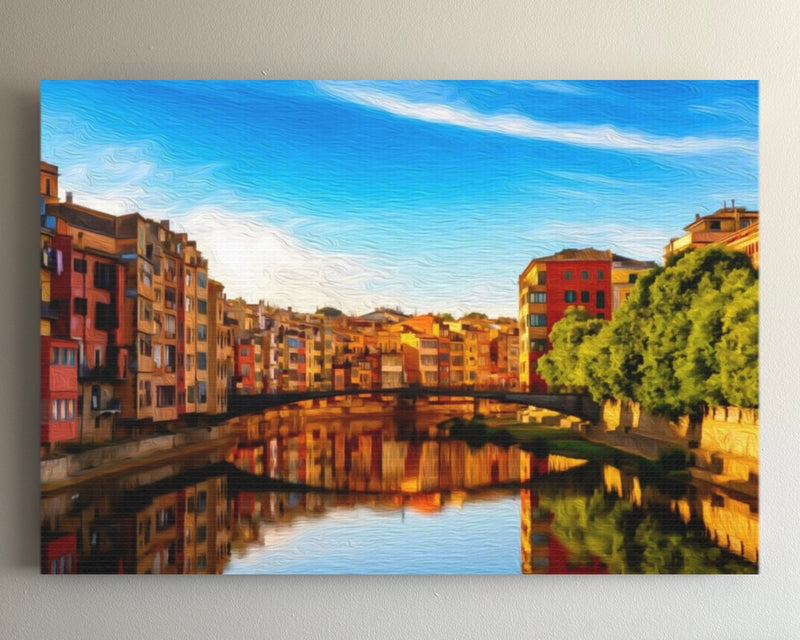
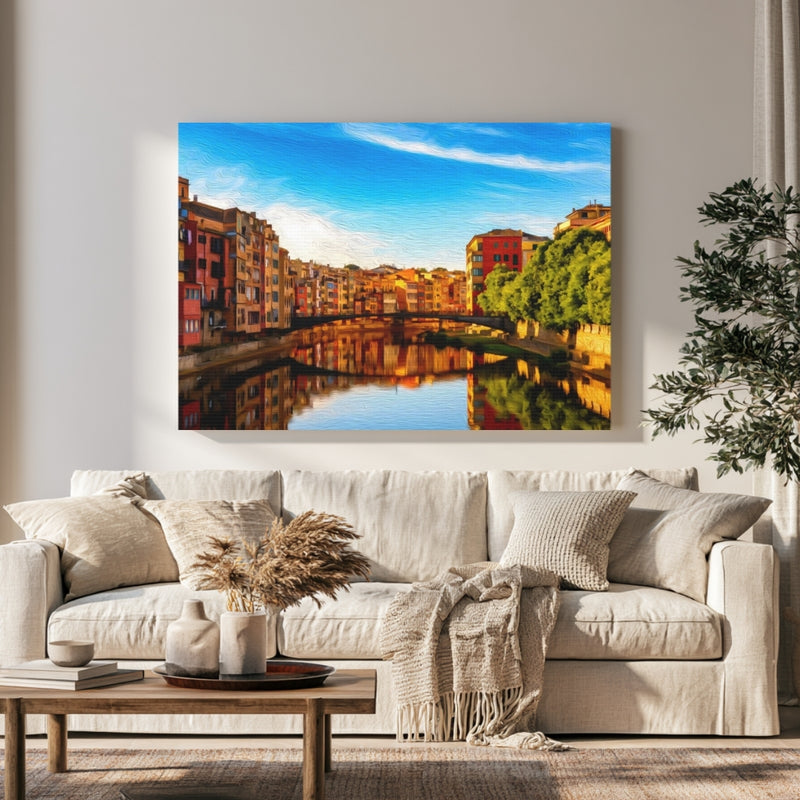
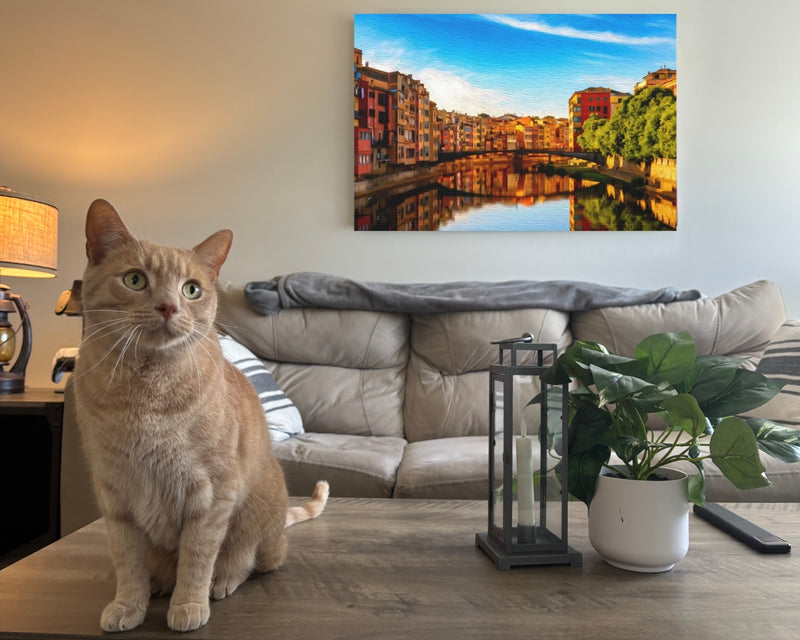
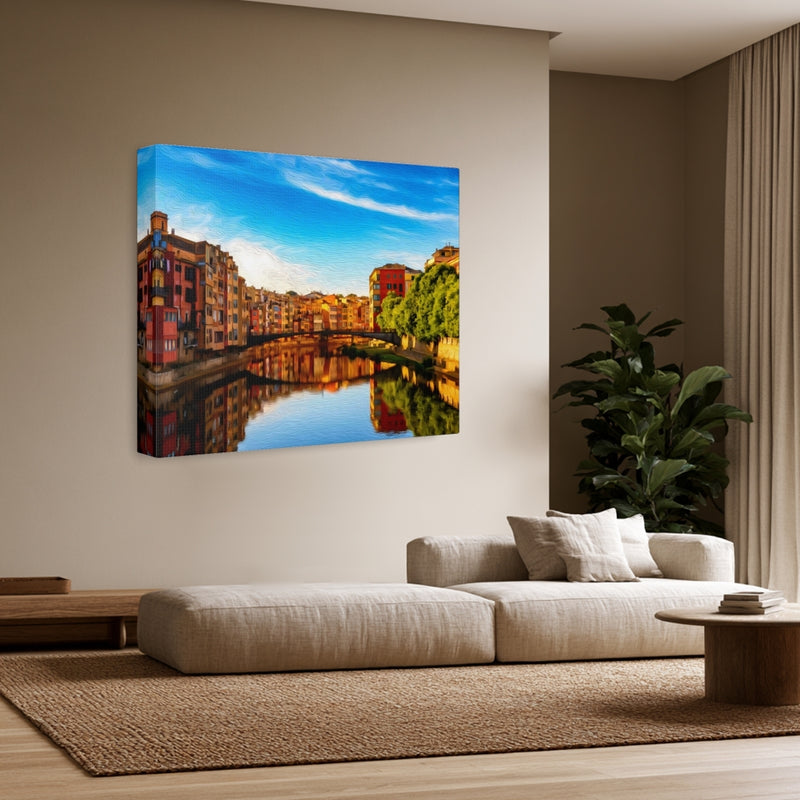
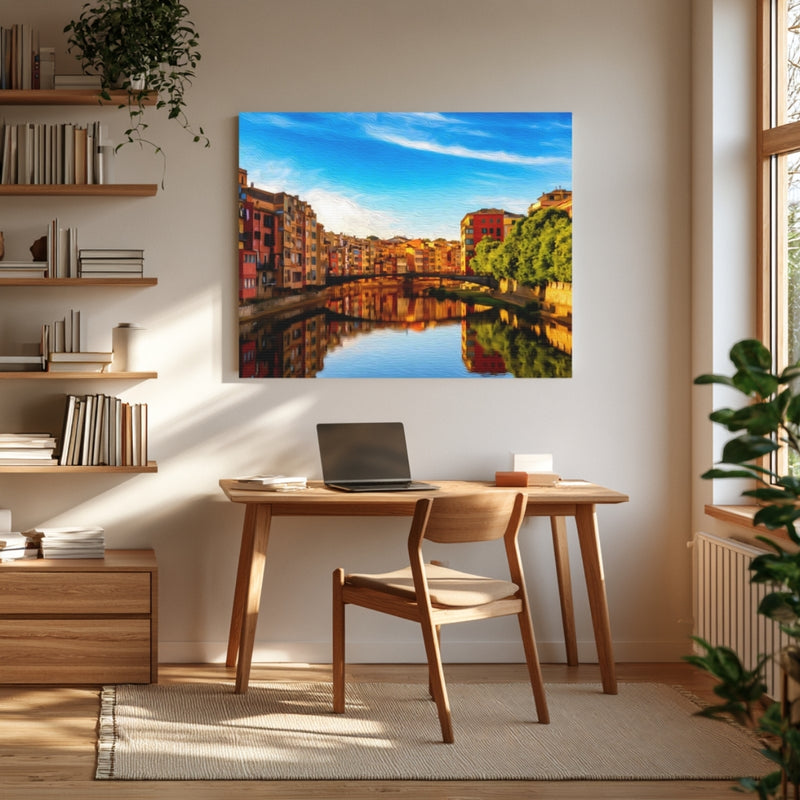
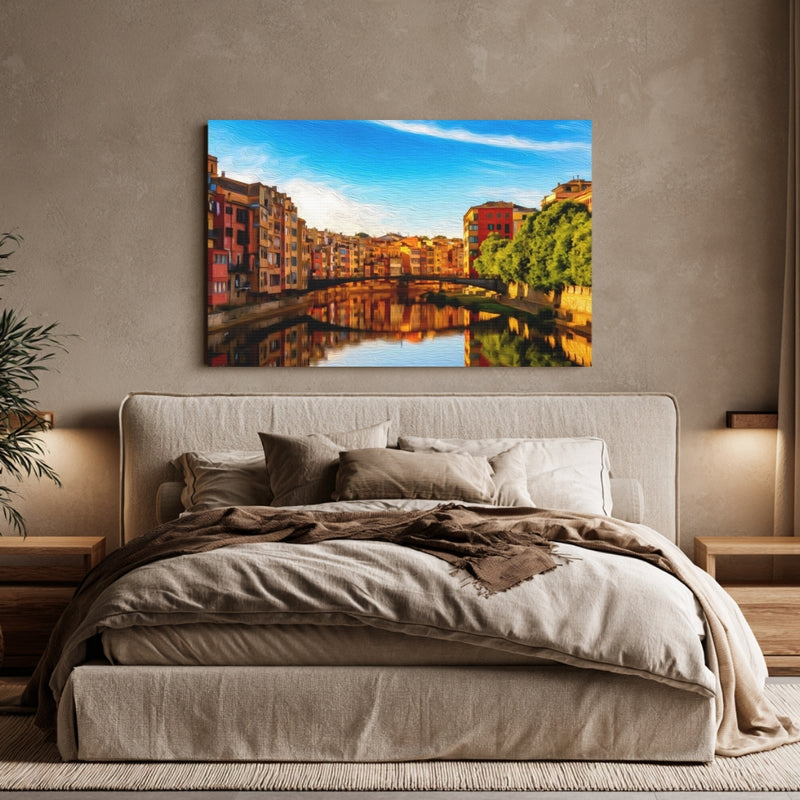
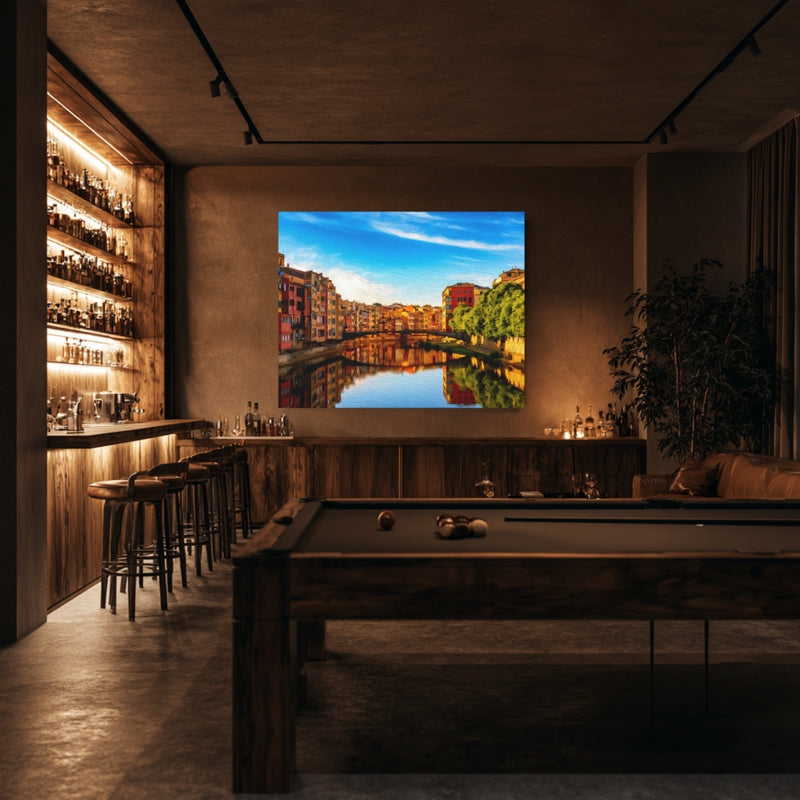
Original Series Gallery Canvas

This high-fidelity canvas is a beautiful way to anchor a room and keep your memories of Girona, Spain fresh long after you've returned home.

Girona, Spain | River Onyar Colorful Houses | Original Series Gallery Canvas detail Girona, Spain | River Onyar Colorful Houses | Original Series Gallery Canvas detail Girona, Spain | River Onyar Colorful Houses | Original Series Gallery Canvas detail Girona, Spain | River Onyar Colorful Houses | Original Series Gallery Canvas detail
Add to Collection / $65

Original Series Hardboard Coaster

A personal study of Girona, Spain, captured in high-fidelity watercolor and prepared for your collection.

Girona, Spain | River Onyar Colorful Houses | Original Series Hardboard Coaster
Add to Collection / $18
Exclusive Series Artifact

The Spirit of the Land

Archival Note: A curated field study of Girona, Spain, prioritizing the specific atmospheric stillness of the region. These artifacts have been meticulously sourced from our global archival partners to represent the area's unique cultural frequency and environmental character. This selection serves as a formal observation for our ongoing global archive, vetted for its visual accuracy and archival merit.

Girona, Spain study No. 01
Girona, Spain / 01 VIA / Lucas Gallone
The colorful houses of Girona stack along the Onyar River in shades of yellow, orange, peach, and blue, their weathered facades catching the clear midday light. A footbridge crosses the calm water while the bell tower of the cathedral rises against a cloudless sky in the background. The scene feels lived-in and layered, where centuries-old architecture meets the practical rhythms of a working city, laundry hanging and shutters open to the Spanish sun.
Girona, Spain study No. 02
Girona, Spain / 02 VIA / Lucas Chizzali
The ancient stone walls frame a narrow walkway where weathered textures speak to centuries of Mediterranean sun and rain. Soft, hazy light settles over the sprawl of terracotta roofs and pale buildings stretching toward the horizon, creating a quiet distance between the historic ramparts and the modern city below. The passage feels solitary and exposed, a place where footsteps echo against old brick while cool air moves between the fortifications.
Girona, Spain study No. 03
Girona, Spain / 03 VIA / Marc Martorell
The amber road markers glow in steady repetition along the darkened highway, their utilitarian purpose transformed into something almost ceremonial against the gradient sky. Above the silhouetted buildings of Girona, a crescent moon hangs in the deep blue-black upper atmosphere, barely noticeable yet anchoring the entire composition. The contrast between the warm orange horizon and the cool purple overhead creates a brief window of balance that exists only in these transitional minutes between day and night.

Where to wander

Archival Note: A curated field study of Girona, Spain, prioritizing cultural relevance and archival merit. While we haven't touched down here yet, we’ve meticulously vetted these locations through our global network of contributors to ensure they represent the most authentic atmosphere for your own expedition.

Local Cuisine Spotlight
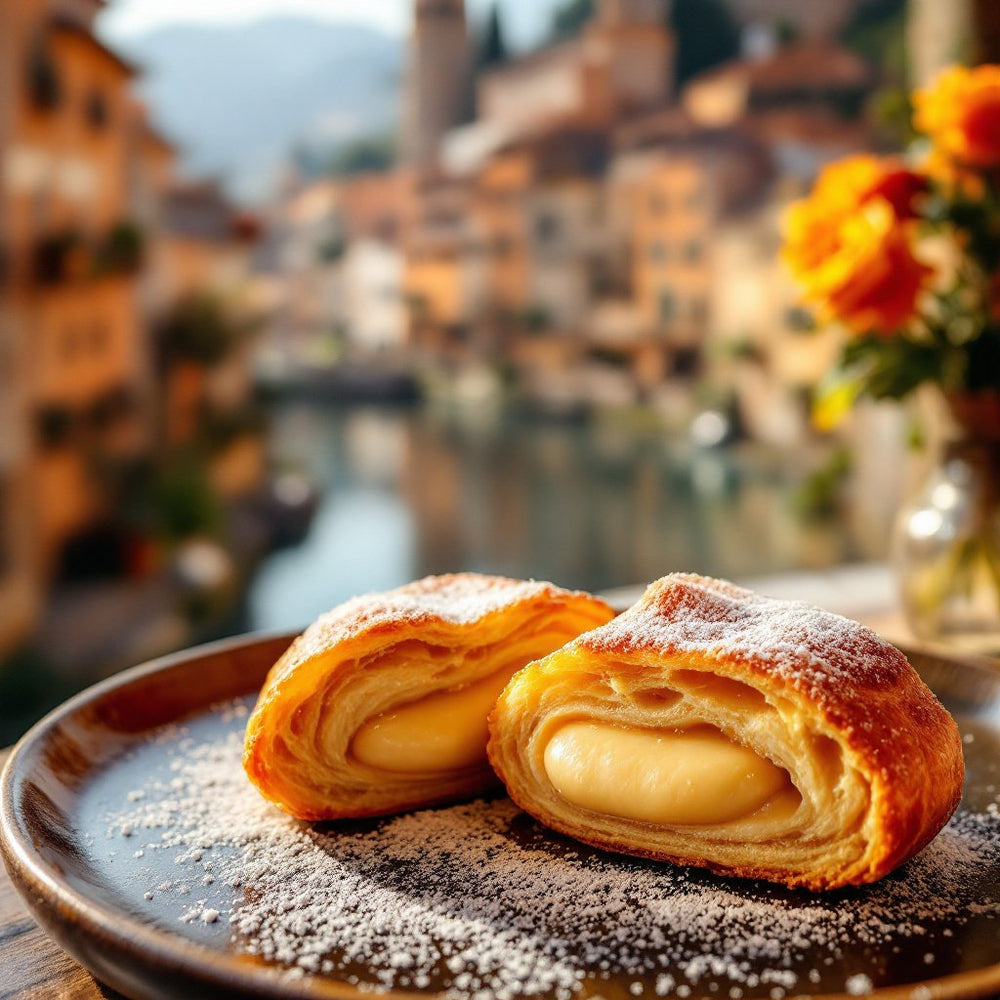
This golden pastry from Girona showcases delicate layers of buttery dough wrapped around smooth custard cream, dusted with powdered sugar that catches the Mediterranean light. The flaky exterior gives way to rich crema catalana filling, a regional specialty perfumed with citrus and cinnamon. Best enjoyed on a terrace overlooking the Onyar River's painted houses.
Credits: The Painted Passport
Local cuisine study in Girona, Spain

☕︎ Local Flavor

El Celler de Can Roca

Rating: 5* | Price: $$$ | Coordinates: 41.9766 N, 2.8209 E

The Roca brothers have transformed their family's neighborhood tavern into one of the world's most creative dining destinations, where each course connects Catalan tradition to avant-garde technique. The meal unfolds like a conversation about memory and place, with wine pairings from Jordi's cellar and desserts from Josep that taste like childhood reimagined. Reserve months ahead, but know that this experience justifies the pilgrimage.

View Entry Details

Occi Restaurant

Rating: 4.5* | Price: $$ | Coordinates: 41.9878 N, 2.8249 E

Chef Guillem Anglada works with a brevity that respects ingredients, offering a tasting menu that changes with what farmers bring each morning. The dining room occupies a medieval building with stone arches, and dishes arrive as focused compositions of Empordà vegetables, wild fish, and Catalan olive oil. This is regional cooking with precision and soul, without pretense or unnecessary flourish.

View Entry Details

La Fàbrica

Rating: 4* | Price: $ | Coordinates: 41.9839 N, 2.8212 E

A neighborhood bar where locals come for vermouth and plates of grilled sardines, anchovies from L'Escala, and pan con tomate made properly with ripe tomatoes and good oil. The space is industrial and unfussy, the wine list emphasizes small Catalan producers, and the kitchen respects the simplicity that makes bar food satisfying. Come at sunset when the place fills with conversation and clinking glasses.

View Entry Details

Nu Restaurant

Rating: 4.5* | Price: $$ | Coordinates: 41.9883 N, 2.8255 E

Chef Iván Plana cooks with a reverence for seasonal rhythm, crafting tasting menus that reflect Girona's landscape in early spring or late autumn with equal honesty. The modern dining room sits near the river, with windows that frame the pastel facades of the Onyar's hanging houses. Each dish shows restraint and clarity, letting ingredients speak in their own accent rather than translating them into culinary theater.

View Entry Details

🛌︎ Boutique Stays

Hotel Nord 1901

Rating: 4.5* | Price: $$ | Coordinates: 41.9879 N, 2.8251 E

This century-old building in Plaça de la Independència holds the memory of Girona's modernist era in its ironwork and tilework. The rooms balance original architectural details with unfussy comfort, and breakfast arrives with proper bread from the neighborhood bakery. You're steps from the old quarter, close enough to hear the cathedral bells mark time as they have for hundreds of years.

View Entry Details

Bellmirall Hotel

Rating: 4.5* | Price: $ | Coordinates: 41.9876 N, 2.8247 E

Tucked into a 14th-century stone house on a narrow street in the Jewish Quarter, this ten-room inn feels like staying in someone's carefully preserved family home. Each room is different, furnished simply with antiques and warm textiles, and the thick medieval walls keep everything quiet and cool. The stone staircase winds upward exactly as it did when this neighborhood hummed with merchants and scholars.

View Entry Details

Alemany 5

Rating: 5* | Price: $$$ | Coordinates: 41.9881 N, 2.8253 E

A restored 16th-century mansion where each of five suites has been designed with museum-quality attention to architectural heritage and contemporary art. Original frescoes share space with minimalist furnishings, and the rooftop terrace overlooks terra cotta rooftops toward the cathedral's bell tower. This is hospitality as cultural immersion, with staff who know Girona's stories and share them generously.

View Entry Details

Hotel Historic

Rating: 4* | Price: $$ | Coordinates: 41.9873 N, 2.8258 E

Built into a row of medieval houses along Carrer Bellmirall, this small hotel preserves the bones of its past while offering genuine comfort in its eighteen rooms. Exposed stone walls and wooden beams frame spaces filled with natural light, and the location in the heart of the Call puts you in Girona's most atmospheric quarter. Breakfast is served in a vaulted cellar that dates to Roman times.

View Entry Details

📍︎ Field Study

Girona Cathedral & Jewish Quarter

Rating: 5* | Price: $ | Coordinates: 41.9875 N, 2.8260 E

The cathedral's Gothic nave is the widest in the world without supporting columns, a soaring space that took six hundred years to complete. Climb the baroque staircase that rises dramatically from the street, then wander into the adjacent Call, where Europe's best-preserved medieval Jewish quarter winds through narrow lanes. The Museum of Jewish History tells stories of the scholars and merchants who lived here until 1492's expulsion.

View Entry Details

The Arab Baths

Rating: 4.5* | Price: $ | Coordinates: 41.9871 N, 2.8254 E

Built in 1194 in Romanesque style despite their Moorish name, these baths follow the classical sequence of changing room, cold pool, warm room, and steam chamber. The central octagonal pool sits under a skylight held up by slender columns, creating a space of beautiful mathematical proportions. It's rare to find such complete medieval bathing facilities, still intact after eight centuries of use and abandonment and restoration.

View Entry Details

Passeig de la Muralla

Rating: 5* | Price: $ | Coordinates: 41.9889 N, 2.8271 E

Walk along the ramparts that have defended Girona since Roman times, rebuilt by Charlemagne and reinforced through centuries of sieges. The pathway stretches for nearly a mile, offering views across terra cotta rooftops to the Pyrenees in the distance. Go in late afternoon when the light turns the stone towers golden and you can see why this city, positioned between mountains and sea, mattered so much to so many armies.

View Entry Details

Sant Pere de Galligants

Rating: 4* | Price: $ | Coordinates: 41.9892 N, 2.8269 E

This Romanesque Benedictine monastery from the 12th century now houses the Archaeological Museum, with artifacts from Girona's Iberian, Roman, and medieval periods. The cloister is the real treasure, its carved capitals showing biblical scenes and mythical creatures with the expressive crudeness of early medieval sculpture. Stand in the quiet courtyard and feel the weight of accumulated time in the worn stone and patient architecture.

View Entry Details

Typography

Archival Note: A formal technical study of Girona, Spain—archiving the coordinates, elevation, and environmental data that define the region. This data serves as a vital record for our ongoing global field study, allowing us to reconstruct the regional atmosphere with archival precision before our physical arrival.

Botanical and pigment specimen study for Girona, Spain Colors of Girona, Spain
Coordinates
41.9794° N, 2.8214° E - Catalan Pyrenean Foothills, Spain
Historical Epoch
Romans built the fortress Gerunda, Moors left their baths and gardens, and medieval Jews created one of Europe's finest quarters before expulsion. Each siege and conquest added another layer to walls that have withstood twenty-five attacks across two millennia.
Elevation
70-100 m / 230-328 ft - Onyar River valley to the cathedral hilltop
Atmosphere
Csa - Mediterranean with hot summers. Summers shimmer with dry heat while winters stay mild enough for wandering the walls in a light jacket, though spring and fall bring occasional sudden showers.
Observation Hour
18:30 - The setting sun ignites the riverside houses in shades of coral and amber while the cathedral glows honey-gold above. Everything softens into watercolor washes as shadows deepen in the Call.
Primary Pigment
River House Ochre (#E8A661) and Cathedral Stone Grey (#8B8680)
Best Time to Visit
May or October - the Temps de Flors festival fills courtyards with blooms in spring, while autumn brings golden light and thinning crowds, perfect for wandering walls and photographing those riverside houses.
Avoid Visiting
August - the locals flee for the coast, many restaurants shutter for vacation, and midday heat turns the stone alleyways into ovens better suited for siestas than exploration.

The Local Tongue

Language is the invisible architecture of Girona, Spain. These entries document the regional vocabulary—capturing the "texture" of local speech that standard translations often miss. Hand-curated expressions reflecting the specific spirit and daily rhythm of the region.
Archival study of Catalan cultural texture

via / Joakim Aglo

Primary Language Catalan
Regional Dialect Eastern Catalan

Rambla

Rambla refers to the tree-lined promenade where locals take their evening stroll, a social ritual as essential as dinner itself. In Girona, the Rambla de la Llibertat becomes the city's living room each evening, filled with the sound of conversation and the scent of churros from corner cafes.

Xuixo

Xuixo is a cream-filled pastry dusted with sugar that belongs entirely to Girona, found in bakery windows throughout the old town. The flaky cylinders originated here in the early 1900s, and locals debate passionately which pastisseria makes the authentic version, still warm at breakfast.

Temps de Flors

Temps de Flors, literally 'time of flowers', transforms the entire city each May into an open-air floral exhibition when hidden courtyards and staircases burst with installations. Locals open private patios and gardens that remain closed the rest of the year, revealing secret spaces draped in blossoms.

Wait! before you go...

Before you head over to Girona, Spain, we’ve audited the essential data points for this corner of the world. These notes cover the logistics—from currency ratios to transit hubs—to help you navigate the landscape with clarity.
🚲 Getting Around The old town unfolds on foot within twenty minutes wall to wall, though the climbs can leave calves burning. City buses connect the modern neighborhoods for €2.25, but most visitors never need them once they've crossed the Onyar bridges into the medieval heart.
⚖️ Cash or Card Cards work nearly everywhere, from cathedral tickets to corner bars, making Girona one of the easier Spanish cities for cashless travel. Keep a twenty-euro note for the occasional market vendor or tiny family taberna where the owner still writes bills by hand on paper scraps.
☁️ Good to Know Locals eat dinner after 21:00, and restaurants that open earlier are quietly signaling they cater to tourists. Book ahead for weekends even at casual spots, since Gironins treat dining out seriously and neighborhood restaurants fill with regulars who have held the same table for years.
🏧 ATMs CaixaBank and Sabadell ATMs cluster around Placa de la Independencia and the Gran Via, dispensing euros without drama. Skip the bright yellow Euronet machines that promise English menus but charge predatory exchange rates, sticking instead to actual Spanish bank networks for fair fees.
💳 Currency The euro moves through Girona with Mediterranean ease, where coins jingle in cafe tip jars and bills slide across zinc bar tops. A coffee costs €1.50, a three-course menu del dia runs €12-16, and a museum ticket rarely tops €7, making this far gentler on wallets than coastal Catalunya.
🔌 Plugs Type C and F outlets at 230V, the standard European two-pin round plugs that power the continent. Bring an adapter if traveling from elsewhere.
🛡️ Safety Girona remains refreshingly calm compared to Barcelona, with petty theft rare even in peak season and the old quarter safe to wander after dark. Watch for uneven cobblestones after rain, especially on the steep Jewish Quarter steps where worn stone gets slippery and twisted ankles happen to the distracted.
✈️ Airports GRO (Girona-Costa Brava Airport) sits 12km south with Ryanair connections, while most international travelers fly into BCN (Barcelona) 100km away. The hourly bus from Girona airport reaches the city center in 25 minutes for €2.75, while Barcelona requires a scenic 90-minute train ride through Catalan countryside.

Behind The Scenes

Nathan

Note from the Founder

Hey, did you know this fun fact about Girona, Spain? The Girona Cathedral's Gothic nave spans 22.98 meters, making it the widest in the world - a medieval engineering feat that terrified its own builders, who debated for fifty years whether the massive vaulted ceiling would collapse before finally completing it in 1604.
Thank you for exploring the Girona, Spain series with us. We hope these notes have inspired you to add this incredible destination to your own passport—we are so glad you're here. — Nathan

Some of our Favorites