Shop the Collection

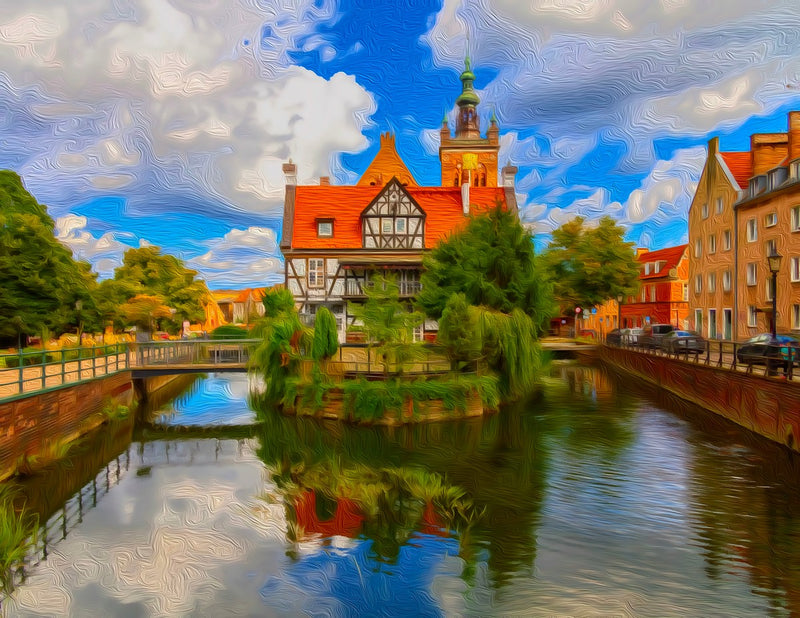
To help you build your own global archive, we've prepared this collection of watercolor studies from our research into Gdansk, Poland. These artifacts are designed to bring the stillness of this corner of the world into your home.

Original Series Decorative Magnet

A personal study of Gdansk, Poland, captured in high-fidelity watercolor and prepared for your collection.

Gdansk, Poland | Old Town Canal Reflections | Original Series Decorative Magnet
Add to Collection / $18
Exclusive Series Artifact

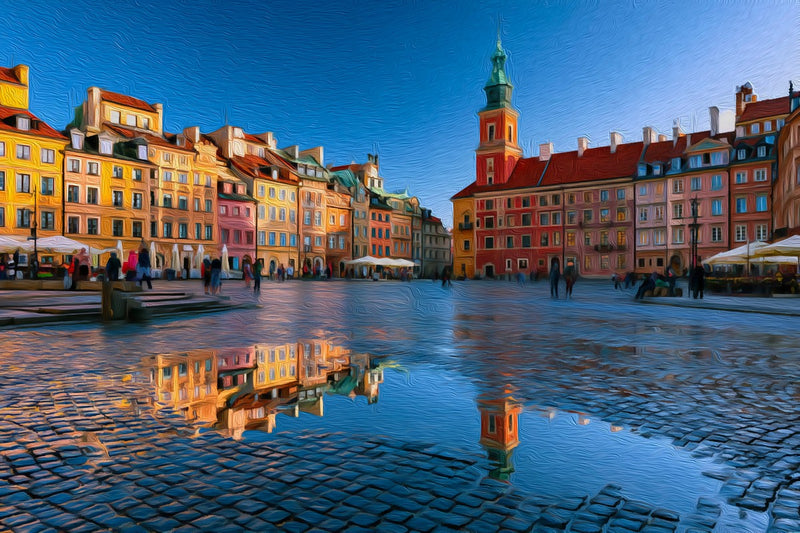
Original Series Gallery Canvas

This high-fidelity canvas is a beautiful way to anchor a room and keep your memories of Gdansk, Poland fresh long after you've returned home.

Gdansk, Poland | Old Town Canal Reflections | Original Series Gallery Canvas detail Gdansk, Poland | Old Town Canal Reflections | Original Series Gallery Canvas detail Gdansk, Poland | Old Town Canal Reflections | Original Series Gallery Canvas detail Gdansk, Poland | Old Town Canal Reflections | Original Series Gallery Canvas detail
Add to Collection / $65

Original Series Hardboard Coaster

A personal study of Gdansk, Poland, captured in high-fidelity watercolor and prepared for your collection.

Gdansk, Poland | Old Town Canal Reflections | Original Series Hardboard Coaster
Add to Collection / $18
Exclusive Series Artifact

The Spirit of the Land

Archival Note: A curated field study of Gdansk, Poland, prioritizing the specific atmospheric stillness of the region. These artifacts have been meticulously sourced from our global archival partners to represent the area's unique cultural frequency and environmental character. This selection serves as a formal observation for our ongoing global archive, vetted for its visual accuracy and archival merit.

Gdansk, Poland study No. 01
Gdansk, Poland / 01 VIA / Daniel Trylski
The amber glow of street lamps spills across the Motława River in long, trembling columns, turning the water into liquid bronze. A tall ship sits moored beside the old town quay, its dark rigging silhouetted against the warm-lit Gothic facades of the merchant houses. The Crane Gate anchors the far end of the promenade, and the whole scene carries the quiet weight of a city that has stood at the edge of the sea for centuries.
Gdansk, Poland study No. 02
Gdansk, Poland / 02 VIA / Maksym Harbar
A soft, golden haze wraps the city in an almost dreamlike stillness, muffling the edges of the skyline into quiet abstraction. The verdigris spire of the Main Town Hall pierces the fog with quiet authority, anchoring centuries of history beneath it. Standing here, one would feel the cold northern air on their skin and the peculiar hush that only winter mist and old cobblestones together can produce.
Gdansk, Poland study No. 03
Gdansk, Poland / 03 VIA / Daniel Trylski
The nighttime skyline of Gdańsk, Poland glows warmly along the Motława River, with a luminous Ferris wheel casting blue and gold reflections across the water. The illuminated 'Gdańsk' sign anchors the composition against the warm amber brick of historic waterfront granaries. What many viewers miss is the subtle double reflection in the river — the Ferris wheel's blue spokes dissolving into the dark water like a second, ghostly wheel spinning just beneath the surface.

Where to wander

Archival Note: A curated field study of Gdansk, Poland, prioritizing cultural relevance and archival merit. While we haven't touched down here yet, we've meticulously vetted these locations through our global network of contributors to ensure they represent the most authentic atmosphere for your own expedition.

Local Cuisine Spotlight
Flaki, Poland's beloved tripe soup, arrives in a handcrafted ceramic bowl, its amber broth deeply savory with marjoram and slow-simmered offal. Tender ribbons of tripe float alongside carrots and fresh herbs, earthy and warming. A slice of buttered rye bread waits alongside, the perfect companion.
Credits: THE PAINTED PASSPORT
Local cuisine study in Gdansk, Poland

☕︎ Local Flavor

Restauracja Kubicki

Rating: 5* | Price: $$$ | Coordinates: 54.3483, 18.6554

Operating since 1918, Kubicki is the oldest restaurant in Gdańsk and earns every year of its legendary reputation with flawless Polish-Baltic cuisine. The żurek soup served in a hollowed bread bowl arrives steaming and deeply savory, tasting like something your grandmother perfected over decades. White linen, candlelight, and staff who recite the menu's history make dinner here feel like a genuine occasion.

View Entry Details

Baraka Restaurant

Rating: 4* | Price: $$ | Coordinates: 54.3509, 18.6488

Baraka brings a warm, spice-scented surprise to the Old Town with its inventive fusion of Mediterranean and Middle Eastern flavors cooked with fresh Baltic ingredients. The lamb tagine with local herbs has become something of a cult dish among Gdańsk food lovers who keep returning week after week. Low lighting, mosaic tile accents, and genuinely enthusiastic servers create an atmosphere that feels far more exciting than its modest prices suggest.

View Entry Details

Mandu Korean & Sushi Bar

Rating: 4* | Price: $$ | Coordinates: 54.3526, 18.6472

Mandu has built a devoted local following by serving honest, vibrant Korean and Japanese dishes in a relaxed space a few blocks from the waterfront. The bibimbap arrives in a sizzling stone bowl with perfectly crispy rice edges that make the first scrape genuinely satisfying. It's exactly the kind of neighborhood spot you stumble into once and immediately start planning your return visit.

View Entry Details

Kwestia Smaku

Rating: 5* | Price: $$ | Coordinates: 54.3544, 18.6461

This beloved café-restaurant near Wrzeszcz district has mastered the art of making Polish comfort food feel fresh and exciting rather than heavy and predictable. Their pierogi come in seasonal varieties that change monthly, stuffed with combinations you wouldn't imagine but immediately crave again. The homemade cheesecake — dense, vanilla-heavy, and served slightly chilled — is worth building an entire afternoon around.

View Entry Details

🛌︎ Boutique Stays

Hotel Gotyk

Rating: 4* | Price: $$$ | Coordinates: 54.3488, 18.6536

Tucked inside a lovingly restored Gothic townhouse steps from the Golden Gate, Hotel Gotyk wraps you in medieval charm without sacrificing modern comfort. Exposed brick walls and arched ceilings make every room feel like a private piece of history. The staff greets you like a neighbor, always ready with honest tips on where locals actually eat.

View Entry Details

Radisson Blu Hotel Gdansk

Rating: 5* | Price: $$$$ | Coordinates: 54.3521, 18.6467

Rising above the Motława River with sweeping views of the colorful Long Embankment, this sleek tower blends contemporary luxury with an unbeatable location. Floor-to-ceiling windows frame postcard sunrises over the old harbor cranes every single morning. The rooftop bar is the city's worst-kept secret for watching golden hour melt across the waterfront.

View Entry Details

Wolne Miasto Boutique Hotel

Rating: 4* | Price: $$$ | Coordinates: 54.3501, 18.6512

Named after the Free City era, this intimate boutique hotel occupies a beautifully reconstructed merchant's house right on the Royal Route. Each room carries its own personality, decorated with vintage maps and amber-toned textiles that echo Gdańsk's trading heritage. Breakfast here feels ceremonial — fresh Baltic herring, dark rye bread, and strong Polish coffee served in a vaulted cellar.

View Entry Details

Happy Seven Hostel

Rating: 3* | Price: $ | Coordinates: 54.3495, 18.6523

For travelers who prefer spending money on experiences rather than thread counts, Happy Seven delivers cheerful, clean rooms just a short stroll from the Main Market Hall. The common room buzzes nightly with backpackers swapping stories over locally brewed Amber lager. It strikes that rare hostel balance of being social enough to make friends but quiet enough to actually sleep.

View Entry Details

📍︎ Field Study

Długi Targ (Long Market)

Rating: 5* | Price: Free | Coordinates: 54.3490, 18.6530

The beating heart of Gdańsk's Old Town, Długi Targ is a stunning pedestrian boulevard lined with ornate merchant houses painted in amber, rust, and gold. The Neptune Fountain at its center has presided over the square since 1633, still perfectly photogenic and surrounded by locals enjoying the day. Strolling here at dusk, when the facades glow under warm streetlights, is one of those travel moments that quietly takes your breath away.

View Entry Details

Museum of the Second World War

Rating: 5* | Price: $$ | Coordinates: 54.3567, 18.6538

This monumental, award-winning museum tells the story of the war's human cost with unflinching honesty and remarkable depth across three underground floors. Personal artifacts — a child's shoe, a handwritten letter, a tattered coat — hit harder than any statistic ever could, making history feel achingly real. Plan for at least three hours and bring tissues; leaving unchanged is genuinely not an option.

View Entry Details

Westerplatte Peninsula

Rating: 4* | Price: $ | Coordinates: 54.4017, 18.6703

A short ferry ride up the Martwa Wisła river brings you to Westerplatte, where the first shots of World War Two were fired on September 1, 1939. The ruined barracks and bullet-scarred walls remain preserved as a solemn, powerful memorial to the 182 Polish soldiers who held out for seven days against overwhelming force. Standing in that windswept silence beside the Baltic, with history pressing in from every direction, is a profoundly humbling experience.

View Entry Details

European Solidarity Centre

Rating: 5* | Price: $$ | Coordinates: 54.3601, 18.6488

Built on the site of the historic Lenin Shipyard where the Solidarity movement was born, this extraordinary museum is both architecturally stunning and emotionally powerful. The rusted weathered-steel exterior deliberately echoes the shipyard hulls, while inside, vivid exhibits trace how dockworkers changed the course of European history. Lech Wałęsa's original pen — used to sign the 1980 agreements — sits quietly in a glass case and somehow carries the weight of an entire era.

View Entry Details

Typography

Archival Note: A formal technical study of Gdansk, Poland—archiving the coordinates, elevation, and environmental data that define the region. This data serves as a vital record for our ongoing global field study, allowing us to reconstruct the regional atmosphere with archival precision before our physical arrival.

Botanical and pigment specimen study for Gdansk, Poland Colors of Gdansk, Poland
Coordinates
54.3521° N, 18.6467° E — Old Town Gdansk, along the Motlawa River waterfront
Historical Epoch
Founded in the 10th century, Gdansk became one of the most powerful Hanseatic League trading cities by the 14th century. Its 20th-century story - from WWII's first shots to Solidarity's birth - made it a city of outsized global consequence.
Elevation
0-180 m / 0-590 ft - Gdansk ranges from sea level at the Baltic coast and river port to low forested hills at its southern outskirts
Atmosphere
Cfb - Oceanic Temperate. Gdansk has mild summers, cool winters, and a persistent Baltic dampness that keeps the light soft and the colors muted and painterly year-round.
Observation Hour
06:30 - Early morning along the Motlawa washes the tenement facades in warm amber and rose, and the river reflects the sky like still glass before tourist foot traffic arrives.
Primary Pigment
Amber Ochre (#C8892A) and Baltic Pewter (#7A8FA6)
Best Time to Visit
June through August - long Baltic days, waterfront festivals, and warm enough evenings to linger by the Motlawa well past sunset.
Avoid Visiting
January through February - short grey days, bitter wind off the Baltic, and limited outdoor appeal make it the city's quietest and coldest stretch.

The Local Tongue

Language is the invisible architecture of Gdansk, Poland. These entries document the regional vocabulary—capturing the "texture" of local speech that standard translations often miss. Hand-curated expressions reflecting the specific spirit and daily rhythm of the region.
Archival study of Polish cultural texture

via / Jan Arve Pettersen

Primary Language Polish
Regional Dialect Kashubian-influenced Polish, with some German loanwords historically present in older Gdansk speech

Bursztyn

Bursztyn means amber, the fossilized tree resin that has been mined, traded, and carved along this Baltic coastline for thousands of years. Standing in a Gdansk jeweler's window display, one can watch raw bursztyn glow like trapped sunlight against velvet, a sensory reminder that this city built its early wealth on something literally pulled from the earth and the sea.

Stocznia

Stocznia means shipyard, but in Gdansk it carries the full weight of the Solidarity movement that changed the course of European history in 1980. The word alone conjures the image of workers streaming through iron gates at the Gdansk Shipyard, a place where the smell of salt air and machine oil mixed with something far more charged than labor.

Zurek

Zurek is a sour rye soup that appears on nearly every traditional Polish table, served in hollowed bread with hard-boiled egg and white sausage. In Gdansk, ordering a bowl in a cellar restaurant on a grey Baltic morning is less a meal and more a ritual of warmth, the tang of fermented rye cutting through the cold that rolls in from the water.

Wait! before you go...

Before you head over to Gdansk, Poland, we’ve audited the essential data points for this corner of the world. These notes cover the logistics—from currency ratios to transit hubs—to help you navigate the landscape with clarity.
🚲 Getting Around Gdansk's compact Old Town is best explored entirely on foot, with tram and bus lines connecting the center to outlying neighborhoods efficiently. Water trams run seasonally along the Motlawa River, offering a slow and scenic route between the old crane and Westerplatte.
⚖️ Cash or Card Card payments are widely accepted in Gdansk restaurants, shops, and hotels, making cash largely optional for most travelers. However, smaller food stalls at the market hall, some amber vendors, and traditional milk bars still prefer zloty in hand, so keeping a modest amount of cash is a practical comfort.
☁️ Good to Know Gdansk locals hold a strong regional identity distinct from Warsaw or Krakow, and acknowledging the city's unique history - not just as a Polish city but as the former Free City of Danzig - is a sign of genuine respect. Punctuality is valued in professional and social settings, and entering a restaurant or shop with a greeting, even a simple dzien dobry, goes a long way.
🏧 ATMs ATMs are plentiful throughout Gdansk's Old Town and near major transport hubs, with Euronet machines being the most common but often charging dynamic currency conversion fees. Withdrawing in PLN and declining the machine's offered conversion rate is strongly advised to avoid unfavorable exchange charges.
💳 Currency Poland uses the Polish Zloty (PLN), not the Euro, despite being an EU member state, so travelers should exchange or withdraw currency before expecting prices in local denominations. Exchange rates in the city center are generally fair at kantors, which are privately operated currency exchange offices and typically offer better rates than bank counters.
🔌 Plugs Poland uses Type E outlets with a 230V standard, requiring a plug adapter for devices from the UK, North America, or Australia.
🛡️ Safety Gdansk is considered one of the safer cities in Poland for travelers, with the Old Town and waterfront areas well-lit and well-patrolled in the evenings. Standard urban awareness applies near the main train station late at night, and visitors should watch for pickpockets during summer festival crowds along Dluga Street.
✈️ Airports Gdansk Lech Walesa Airport (GDN) sits about 12 kilometers from the city center and is served by multiple European carriers including LOT, Ryanair, and Wizz Air. A direct train from the airport to Gdansk Glowny main station takes roughly 25 minutes and is the most efficient and affordable connection to the Old Town.

Behind The Scenes

Nathan

Note from the Founder

Hey, did you know this fun fact about Gdansk, Poland? Gdansk is the world capital of amber, producing an estimated 80 percent of the global supply from Baltic coastal deposits. The Amber Road, an ancient trade route, once carried this resin from the Baltic all the way to the Mediterranean.
Thank you for exploring the Gdansk, Poland series with us. We hope these notes have inspired you to add this incredible destination to your own passport—we are so glad you're here. — Nathan

Some of our Favorites