Shop the Collection

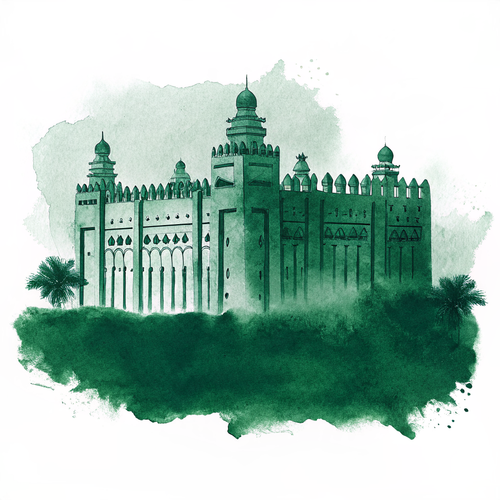
To help you build your own global archive, we've prepared this collection of watercolor studies from our research into Djenné, Mali. These artifacts are designed to bring the stillness of this corner of the world into your home.

Original Series Decorative Magnet

A personal study of Djenné, Mali, captured in high-fidelity watercolor and prepared for your collection.

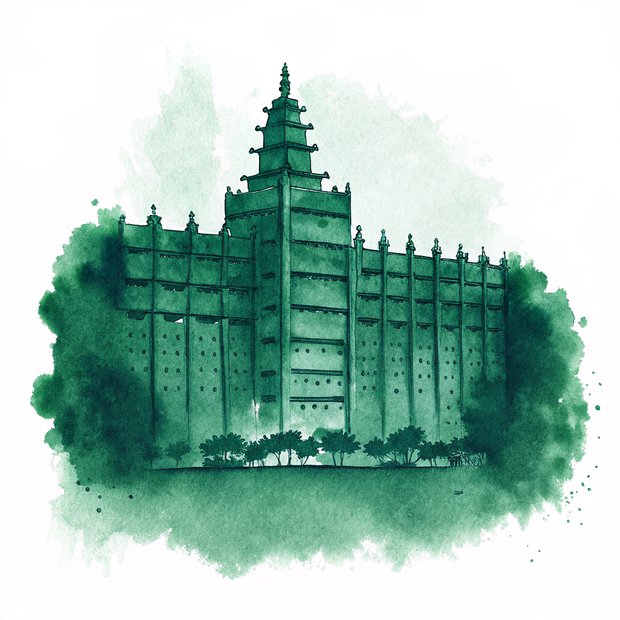
Djenné, Mali | Great Mosque Market Day | Original Series Decorative Magnet
Add to Collection / $18
Exclusive Series Artifact

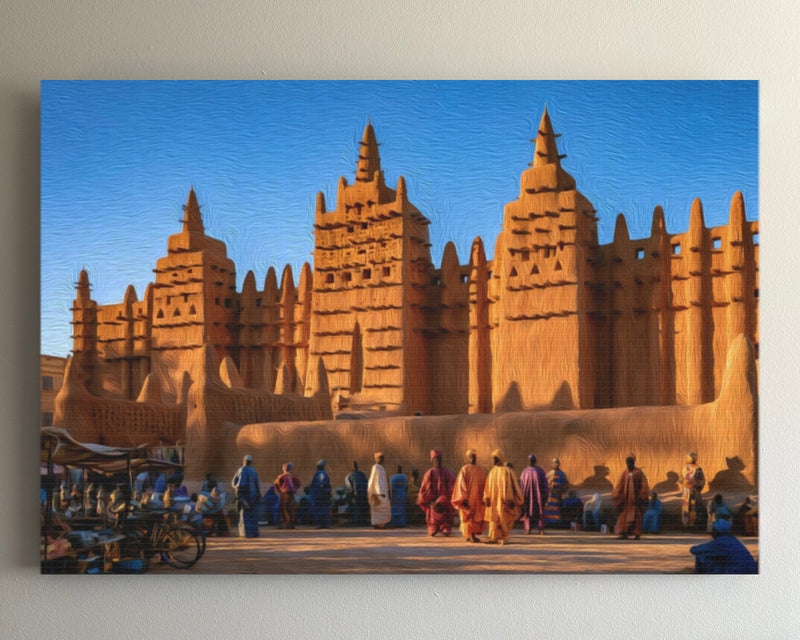
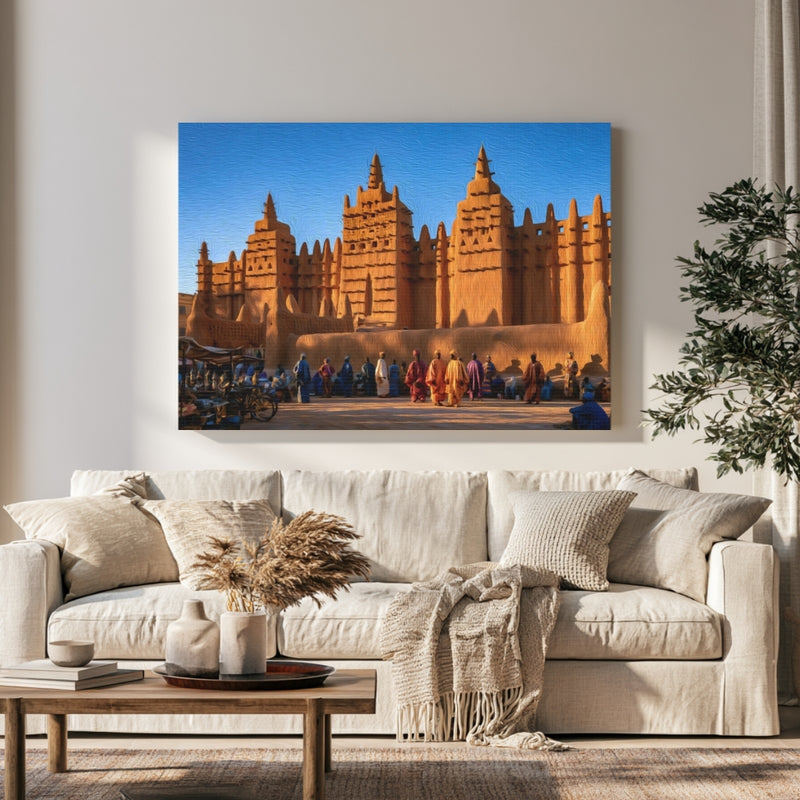
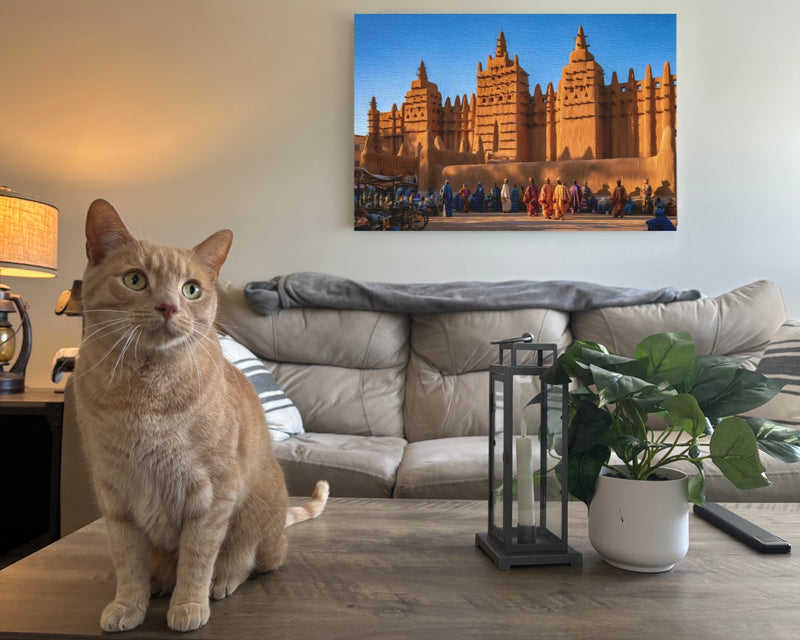
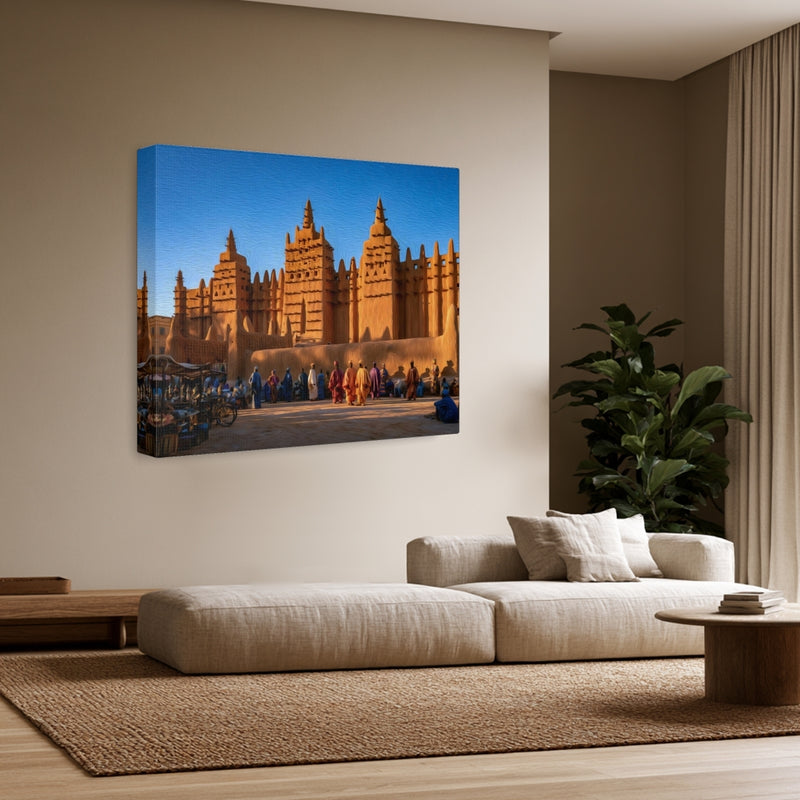
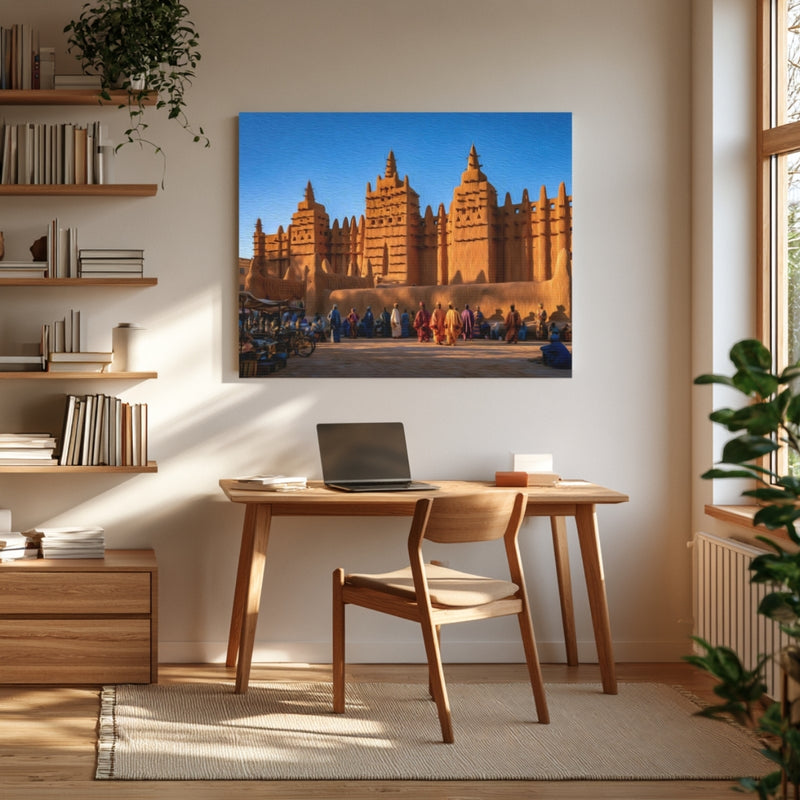
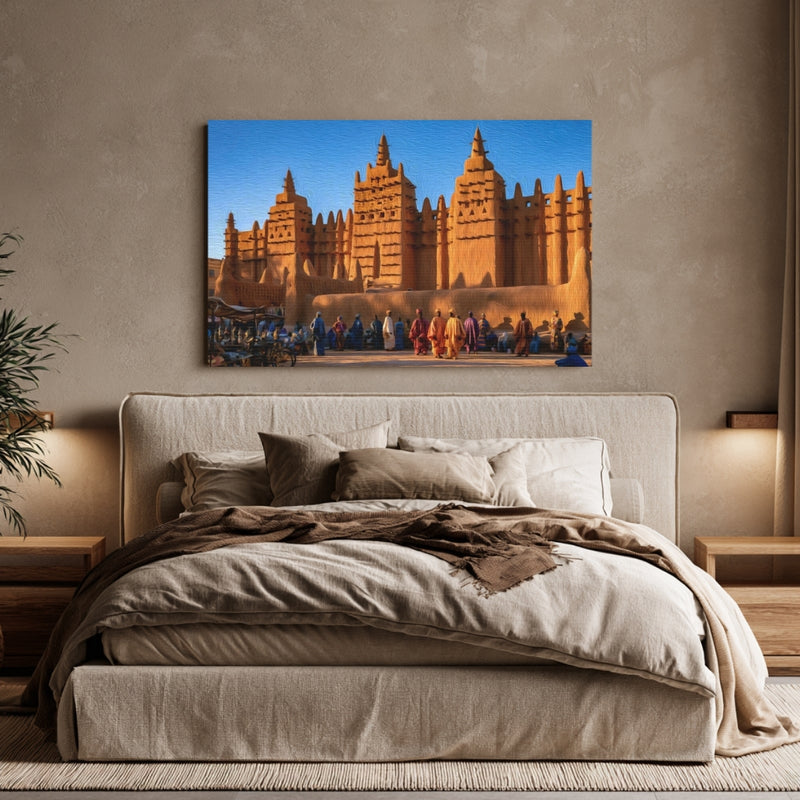
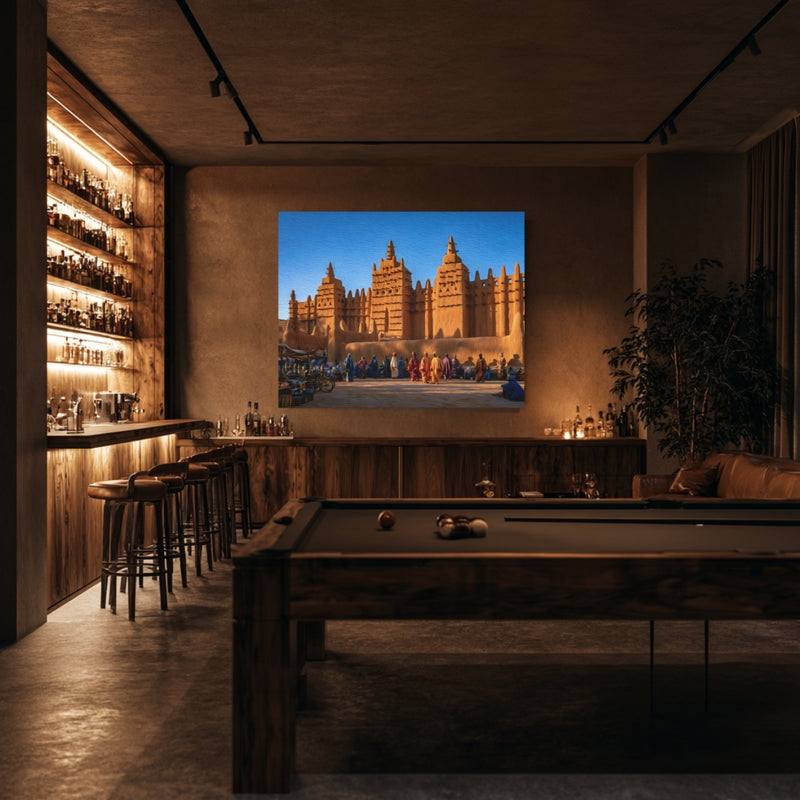
Original Series Gallery Canvas

This high-fidelity canvas is a beautiful way to anchor a room and keep your memories of Djenné, Mali fresh long after you've returned home.

Djenné, Mali | Great Mosque Market Day | Original Series Gallery Canvas detail Djenné, Mali | Great Mosque Market Day | Original Series Gallery Canvas detail Djenné, Mali | Great Mosque Market Day | Original Series Gallery Canvas detail Djenné, Mali | Great Mosque Market Day | Original Series Gallery Canvas detail
Add to Collection / $65

Original Series Hardboard Coaster

A personal study of Djenné, Mali, captured in high-fidelity watercolor and prepared for your collection.

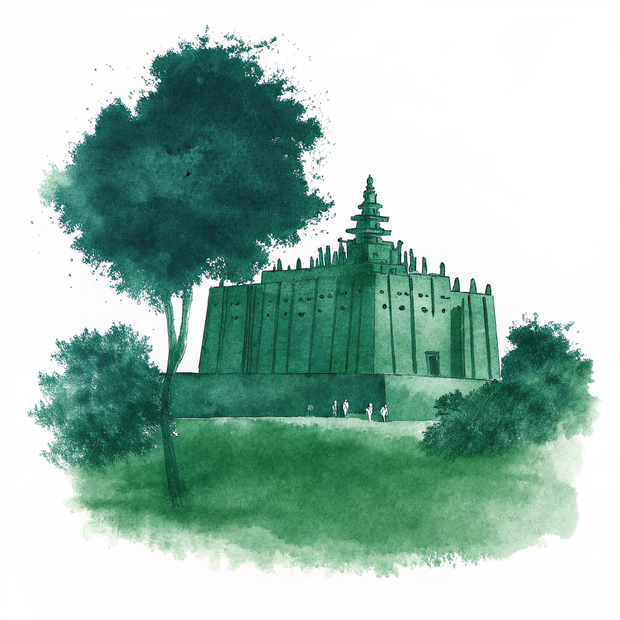
Djenné, Mali | Great Mosque Market Day | Original Series Hardboard Coaster
Add to Collection / $18
Exclusive Series Artifact

The Spirit of the Land

Archival Note: A curated field study of Djenné, Mali, prioritizing the specific atmospheric stillness of the region. These artifacts have been meticulously sourced from our global archival partners to represent the area's unique cultural frequency and environmental character. This selection serves as a formal observation for our ongoing global archive, vetted for its visual accuracy and archival merit.

Djenné, Mali study No. 01
Djenné, Mali / 01 VIA / Sani Maikatanga
Sunlight streams through the brick archway, casting warm shadows that emphasize the passage between two worlds. The ornate mosque beyond glows with terracotta earth tones and intricate geometric patterns in blue and gold, its decorated façade a striking contrast to the humble red brick gateway. This threshold moment captures the quiet grandeur of Djenné's architectural heritage, where simple materials frame extraordinary craftsmanship.
Djenné, Mali study No. 02
Djenné, Mali / 02 VIA / Tom D'Arby
The harsh midday sun casts sharp shadows across the terracotta mud-brick structures, creating a stark contrast with the lush green vegetation that hugs the Niger River below. The air would feel dry and intensely hot, while the vibrant blue textiles and doors provide striking pockets of color against the earthy adobe architecture. Standing here, one would sense the profound isolation of this ancient trading city, suspended between the arid Sahara and the life-giving river that defines the region.
Djenné, Mali study No. 03
Djenné, Mali / 03 VIA / 奇 徐
This image captures the striking earthen architecture of Djenné, a UNESCO World Heritage site known for its distinctive mud-brick construction. The warm ochre tones and massive, organic forms of the buildings create a timeless quality, while small figures and animals scattered throughout suggest the quiet rhythm of daily life. One often overlooked detail is the intricate wooden beams protruding from the walls, which serve both structural and symbolic purposes in traditional Sahelian architecture.

Where to wander

Archival Note: A curated field study of Djenné, Mali, prioritizing cultural relevance and archival merit. These locations have been meticulously researched and vetted to ensure they represent the most authentic atmosphere for your own expedition.

Local Cuisine Spotlight
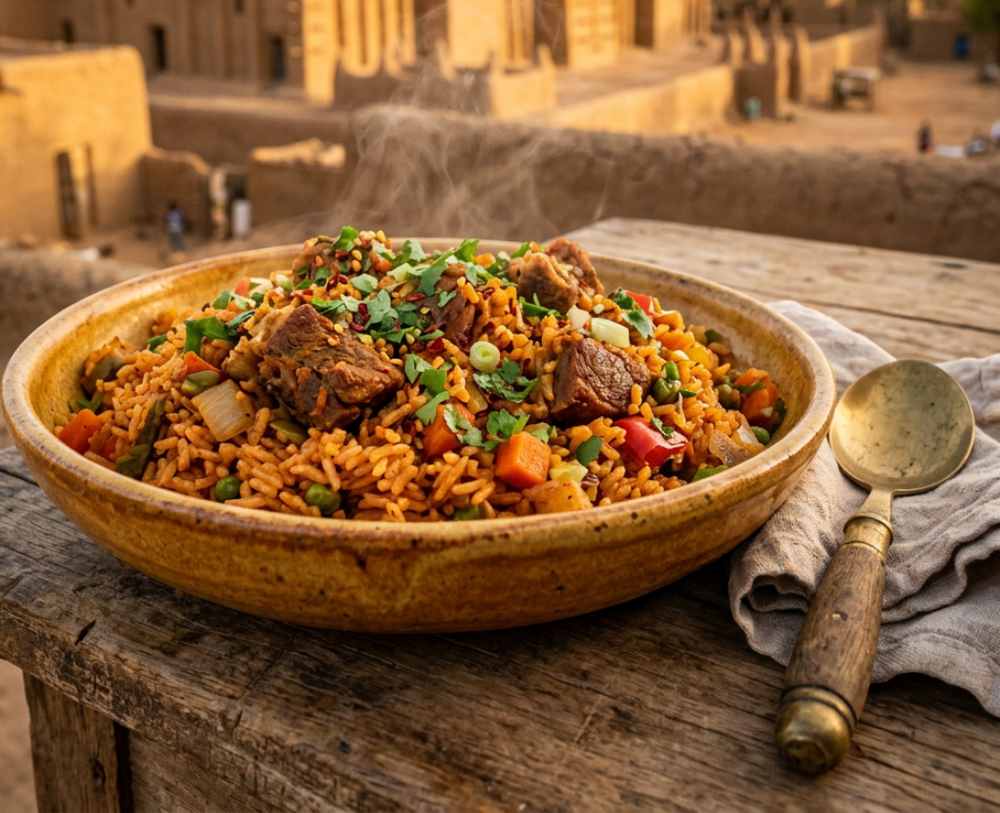
This aromatic rice dish captures the soul of Djenné's culinary tradition, where tender meat mingles with golden grains infused with warm spices and studded with colorful vegetables. Each spoonful delivers the layered flavors of West African cooking, finished with bright fresh herbs that cut through the richness. Served in handcrafted earthenware, it reflects both the region's heritage and hospitality.
Credits: THE PAINTED PASSPORT
Local cuisine study in Djenné, Mali

☕︎ Local Flavor

Restaurant Le Campement

Rating: 4* | Price: $$ | Coordinates: 13.9055° N, 4.5557° W

This beloved open-air restaurant serves generous portions of mafé, a rich groundnut stew, alongside perfectly seasoned grilled fish pulled fresh from the Bani River. The setting beneath a canopy of neem trees makes every meal feel like a peaceful retreat from the busy market streets nearby. Arrive early on Monday, the great market day, to secure a table and enjoy the vibrant energy of the surrounding town.

View Entry Details

Chez Aminata

Rating: 5* | Price: $ | Coordinates: 13.9069° N, 4.5544° W

Aminata's tiny family kitchen is an absolute treasure, dishing up honest home cooking that reflects the true flavors of the Sahel with warmth and generosity. Her signature dish is thiéboudienne, a fragrant rice and fish preparation slow-cooked with tomatoes, okra, and garden herbs. The small dining room fills quickly at lunchtime, so joining the queue early is very much part of the experience.

View Entry Details

Marché Street Food Stalls

Rating: 4* | Price: $ | Coordinates: 13.9061° N, 4.5538° W

On Monday market mornings the central square transforms into one of West Africa's most atmospheric open-air food courts, with dozens of vendors offering grilled brochettes, fried plantains, and spiced bean fritters. Each stall holder takes evident pride in their specialty, and prices are delightfully reasonable for such vibrant and satisfying food. Wandering between stalls while the mosque looms in the background is an experience that stays with visitors for years.

View Entry Details

Boulangerie Djenné Patisserie

Rating: 3* | Price: $ | Coordinates: 13.9074° N, 4.5562° W

A small and cheerful bakery tucked along a quiet earthen lane, producing flaky bread rolls and sweet sesame pastries fresh from the clay oven before sunrise each day. The strong Malian tea served alongside is thick, sweet, and absolutely restorative after an early morning walk to the mosque. Local schoolchildren and market traders alike stop here every morning, giving it a wonderfully lively neighborhood charm.

View Entry Details

🛌︎ Boutique Stays

Hôtel Djenne Djenno

Rating: 4* | Price: $$ | Coordinates: 13.9058° N, 4.5553° W

This welcoming riverside hotel offers mud-brick rooms that blend beautifully with the ancient Sudano-Sahelian architecture surrounding it. Guests wake to birdsong and gentle views of the Bani River floodplains each morning. The attentive staff arrange pirogue boat trips and guided walks to the great mosque with genuine local knowledge.

View Entry Details

Campement Faguine

Rating: 3* | Price: $ | Coordinates: 13.9072° N, 4.5541° W

A modest and charming guesthouse run by a local family who cook traditional Malian meals each evening on a shaded terrace. Rooms are simple, cool, and decorated with hand-woven textiles that reflect the rich Fulani craft heritage of the region. Staying here puts you within easy walking distance of the great mosque and the bustling market square.

View Entry Details

Maison Korombana

Rating: 4* | Price: $$ | Coordinates: 13.9065° N, 4.5560° W

Nestled in the old quarter of Djenné, this beautifully restored earthen townhouse offers an intimate boutique experience with only six guest rooms. Each room features handcrafted wooden doors, woven mats, and small windows that keep interiors wonderfully cool through the hottest afternoons. The rooftop terrace is the perfect spot for watching the golden sunset paint the mosque's famous facade.

View Entry Details

Auberge du Campement Boro

Rating: 3* | Price: $ | Coordinates: 13.9080° N, 4.5548° W

This friendly budget auberge is beloved by backpackers and researchers who appreciate its affordable rates and genuine community atmosphere. The communal courtyard hosts lively evening conversations between travelers and local guides sharing stories over mint tea. Owners are deeply connected to Djenné's heritage community and help guests discover lesser-known neighborhoods and craftspeople.

View Entry Details

📍︎ Field Study

Great Mosque of Djenné

Rating: 5* | Price: Free | Coordinates: 13.9057° N, 4.5551° W

The largest mud-brick building on earth, this UNESCO World Heritage Site is a masterpiece of Sudano-Sahelian architecture and the spiritual heart of Djenné. Its towering facade, bristling with wooden torons used as scaffolding during the annual replastering festival, is utterly unlike anything else in the world. Non-Muslims appreciate the mosque from the surrounding square, where the view across the open plaza is genuinely breathtaking at any time of day.

View Entry Details

Djenné Archaeological Mounds

Rating: 4* | Price: Free | Coordinates: 13.9020° N, 4.5590° W

The ancient earthen mounds surrounding Djenné conceal one of sub-Saharan Africa's most important archaeological records, with continuous habitation dating back over two thousand years. Walking across these low, grassy rises at dusk, with egrets wheeling overhead and fishermen returning on the river below, is a genuinely moving and contemplative experience. A local guide adds tremendous value here, explaining the buried history of trade, scholarship, and culture that shaped this remarkable town.

View Entry Details

Djenné Monday Market

Rating: 5* | Price: Free | Coordinates: 13.9062° N, 4.5539° W

Held every Monday in the vast plaza before the mosque, this market draws traders from across the inland Niger Delta region, creating a colorful mosaic of fabrics, spices, pottery, livestock, and hand-forged tools. The energy peaks in the mid-morning hours when the square is shoulder-to-shoulder with merchants and buyers haggling in Bambara, Fulfulde, and Bozo. Photographing the scene with the mosque's soaring facade as backdrop produces images of extraordinary beauty and cultural depth.

View Entry Details

Djenné Museum of History and Culture

Rating: 4* | Price: $ | Coordinates: 13.9068° N, 4.5556° W

Housed in a restored colonial-era building near the central square, this intimate museum presents terracotta figurines, ancient manuscripts, and beautifully crafted jewelry excavated from the surrounding region over many decades. The curators are passionate and knowledgeable, offering context that transforms a simple walk around the display cases into a vivid journey through centuries of Sahelian civilization. Visiting before exploring the town itself gives travelers a meaningful framework for understanding the layered heritage they are about to experience.

View Entry Details

Typography

Archival Note: A formal technical study of Djenné, Mali, archiving the coordinates, elevation, and environmental data that define the region. This data serves as a vital record for our ongoing global field study, providing the technical foundation behind every atmospheric detail captured in our visual work.

Botanical and pigment specimen study for Djenné, Mali Colors of Djenné, Mali
Coordinates
13.9057° N, 4.5551° W — Djenné island city centre, near the Great Mosque, Mopti Region, Mali
Historical Epoch
Founded around 250 BCE, Djenné became a major trans-Saharan trading hub by the 9th century CE and later a center of Islamic scholarship rivaling Timbuktu. Its UNESCO-listed old town preserves a continuous architectural tradition spanning over a thousand years.
Elevation
290-295 m / 951-968 ft. Djenné sits on a low-lying island in the Inner Niger Delta flood plain, barely above the surrounding seasonal floodwaters.
Atmosphere
BSh. Hot semi-arid steppe climate. Djenné is intensely hot and dry from November to May, with a brief but dramatic wet season from June to September that floods the surrounding plains.
Observation Hour
07:00. The early morning sun rakes low across the Great Mosque's corrugated mud towers, casting long warm shadows that reveal every texture and hand-pressed ridge in the banco walls.
Primary Pigment
Saharan Ochre (#C8893A) and Terracotta Adobe (#B85C38)
Best Time to Visit
November through February. The dry season brings cooler temperatures, clear skies, and the chance to witness the city at its most photogenic, with the floodwaters receded and the Monday market in full swing.
Avoid Visiting
July through September. The peak rainy season floods the surrounding plains, limits road access to the island, and brings oppressive humidity that can make exploring the city uncomfortable.

The Local Tongue

Language is the invisible architecture of Djenné, Mali. These entries document the regional vocabulary—capturing the "texture" of local speech that standard translations often miss. Hand-curated expressions reflecting the specific spirit and daily rhythm of the region.
Archival study of Bambara cultural texture

via / Gpop NL

Primary Language Bambara
Regional Dialect Djenné Chiini (Songhay dialect of the Djenné region)

Djenné-Chiini

Djenné-Chiini refers to the Songhay language spoken natively in Djenné, a tongue that carries centuries of trade routes and scholarly tradition within its syllables. Locals use it in the market at dawn when vendors call out to one another across rows of millet and dried catfish, a sound distinct from the Bambara heard elsewhere in Mali.

Banco

Banco means the hand-mixed mud plaster used to build and annually re-coat Djenné's famous earthen architecture, including the Great Mosque itself. Each year the community gathers for the Crépissage festival, pressing fresh banco into the mosque's walls by hand, filling the air with the earthy scent of wet clay and the sound of celebration.

Caman

Caman is a Bambara word meaning abundance or plenty, and in Djenné it carries a particular weight on Monday market days when the square overflows with traders from dozens of surrounding villages. The word surfaces in greetings and blessings exchanged between merchants, spoken as both a wish and a statement of gratitude for the season's harvest.

Wait! before you go...

Before you head over to Djenné, Mali, we’ve audited the essential data points for this corner of the world. These notes cover the logistics—from currency ratios to transit hubs—to help you navigate the landscape with clarity.
🚲 Getting Around Djenné is accessible by road from Mopti, roughly 130 kilometers away, with a short pirogue ferry crossing required to reach the island itself. Bush taxis and minibuses operate between Mopti and the ferry landing, and the crossing takes only a few minutes but can involve a wait.
⚖️ Cash or Card Djenné operates almost entirely on cash, and visitors should carry sufficient West African CFA francs before arriving as card payments are not accepted anywhere in the city. ATMs do not exist in Djenné itself, so withdrawing cash in Mopti or Bamako before travel is essential.
☁️ Good to Know Photography of the Great Mosque requires a permit purchased at the gate, and locals near the mosque are often sensitive about cameras being pointed at them without permission or a small fee. Approaching the Monday market with patience and a few words of Bambara or French goes a long way toward warm interactions and fair prices.
🏧 ATMs There are no ATMs in Djenné, and travelers must arrive with all the cash they expect to need for their stay. The nearest reliable ATMs are in Mopti, where branches of Ecobank and BDM-SA typically serve international Visa and Mastercard holders, though outages are common.
💳 Currency The West African CFA franc (XOF) is the official currency of Mali and is shared across eight countries in the UEMOA monetary union. Notes come in denominations from 500 to 10,000 XOF, and the franc is pegged to the euro, making rough conversions straightforward for European travelers.
🔌 Plugs Mali uses Type C and Type E outlets at 220V and 50Hz. European two-pin plugs fit without an adapter, though travelers from North America and the UK will need both an adapter and a voltage converter.
🛡️ Safety Mali has faced significant security instability since 2012, and many governments currently advise against all travel to the country, including Djenné and the Mopti Region. Travelers who do visit should consult up-to-date government travel advisories, register with their embassy, and work only with experienced local guides familiar with current conditions.
✈️ Airports The nearest international airport is Modibo Keïta International Airport in Bamako (BKO), Mali's capital, located roughly 570 kilometers southwest of Djenné by road. Mopti-Ambodedjo Airport (MZI) is closer at around 130 kilometers but offers very limited and irregular domestic service.

Behind The Scenes

Nathan

Note from the Founder

Hey, did you know this fun fact about Djenné, Mali? The Great Mosque of Djenné, built in its current form in 1907, is the largest mud-brick structure on earth. Its iconic facade is studded with protruding wooden beams called torons, which serve as scaffolding during the annual community replastering festival.
Thank you for exploring the Djenné, Mali series with us. We hope these notes have inspired you to add this incredible destination to your own passport—we are so glad you're here. Nathan's signature

Some of our Favorites