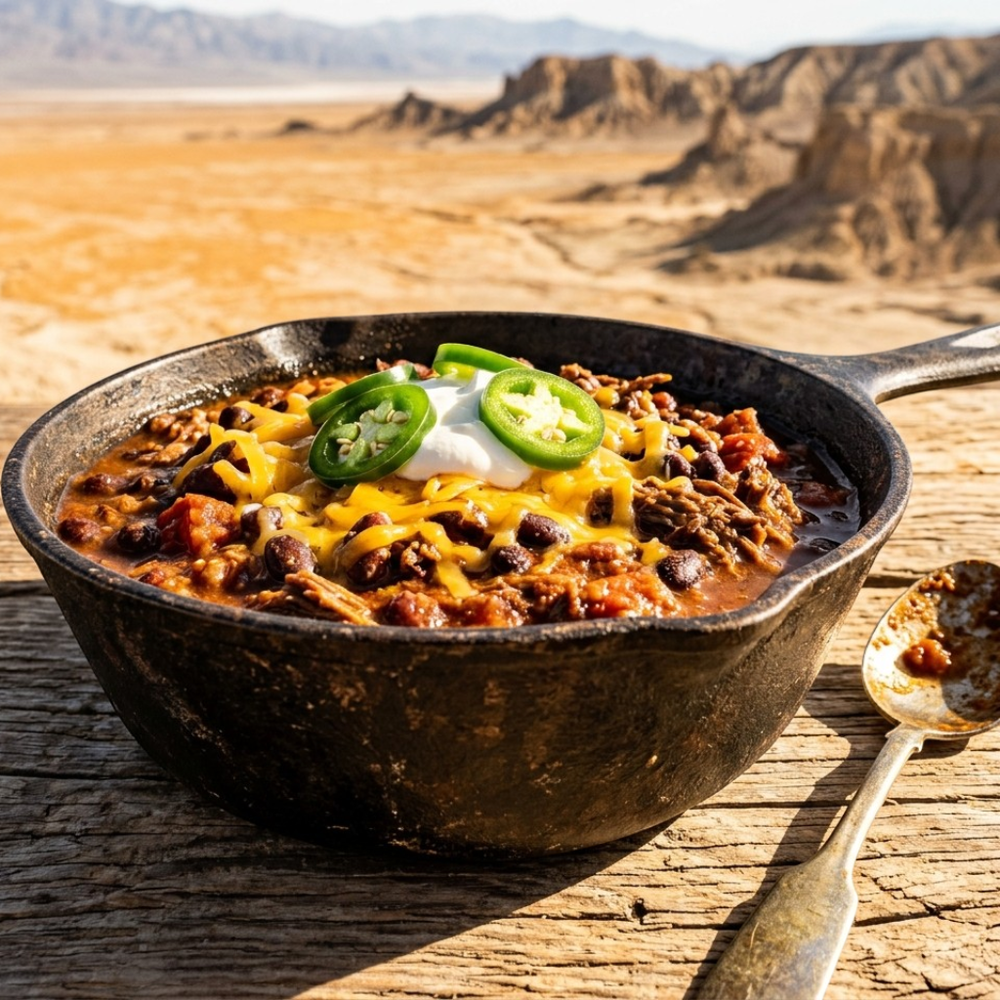
Local Cuisine Spotlight

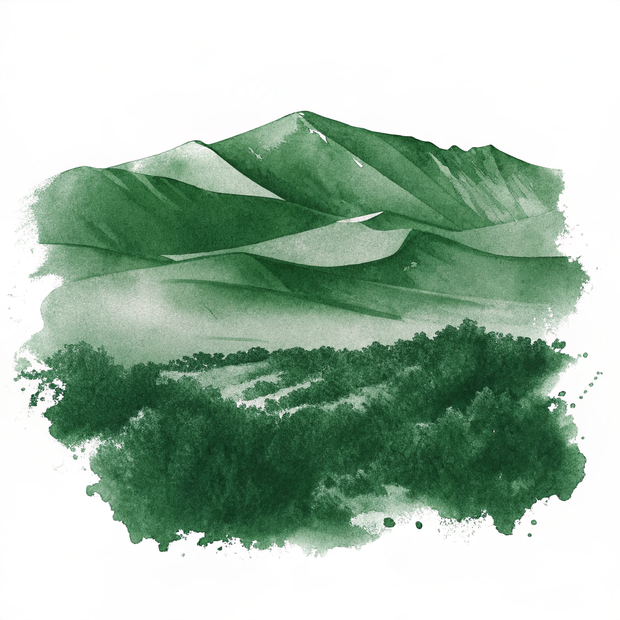
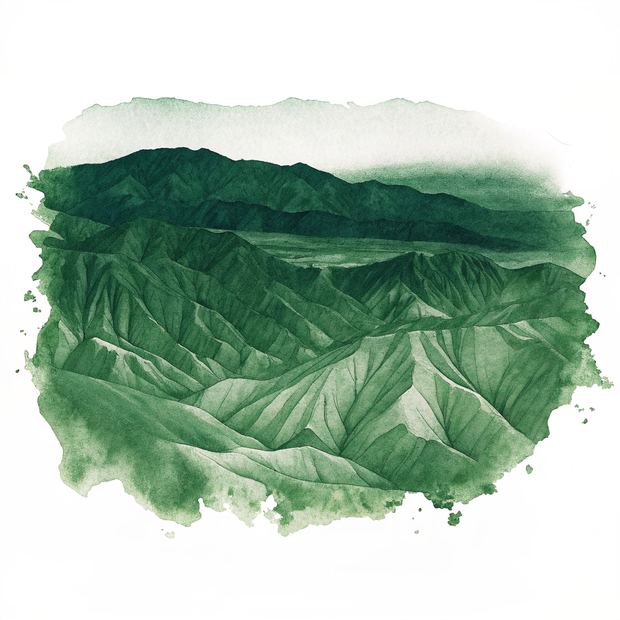
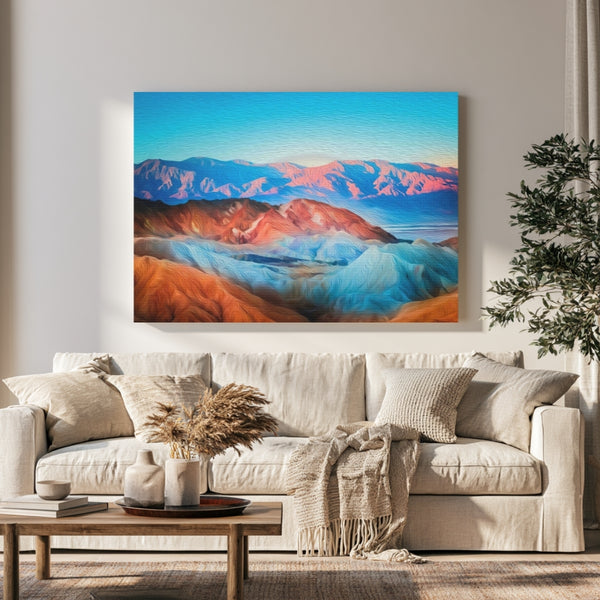
Now representing Death Valley — 1 original piece, each hand-crafted in watercolor.
Death Valley is not empty. It is ferociously full, of silence so thick it has texture, of geological time laid bare in stripes of ochre and violet, of a sky so enormous it recalibrates your sense of scale. This is the hottest, driest, and lowest national park in the United States, a place where Timbisha Shoshone people have lived for over a thousand years, reading the land with a fluency that humbles every newcomer. The salt flats at Badwater Basin shimmer like a broken mirror dropped at the bottom of the world, and the hillsides along Artist's Drive blush with mineral pigments that no painter could invent without first seeing them here. Death Valley does not welcome you so much as it absorbs you, slowly, luminously, on its own ancient terms.
Every canvas is painted from a real place. Explore the map to see exactly where each scene lives — and wander Death Valley the way a traveler would, one landmark at a time.
Keep Exploring
Archival Note: A curated field study of Death Valley, California, prioritizing the specific atmospheric stillness of the region. These artifacts have been meticulously sourced from our global archival partners to represent the area's unique cultural frequency and environmental character. This selection serves as a formal observation for our ongoing global archive, vetted for its visual accuracy and archival merit.


Archival Note: A curated field study of Death Valley, California, prioritizing cultural relevance and archival merit. These locations have been meticulously researched and vetted to ensure they represent the most authentic atmosphere for your own expedition.
Archival Note: A formal technical study of Death Valley, California, archiving the coordinates, elevation, and environmental data that define the region. This data serves as a vital record for our ongoing global field study, providing the technical foundation behind every atmospheric detail captured in our visual work.
 Colors of Death Valley, California

via / Vlada Karpovich


