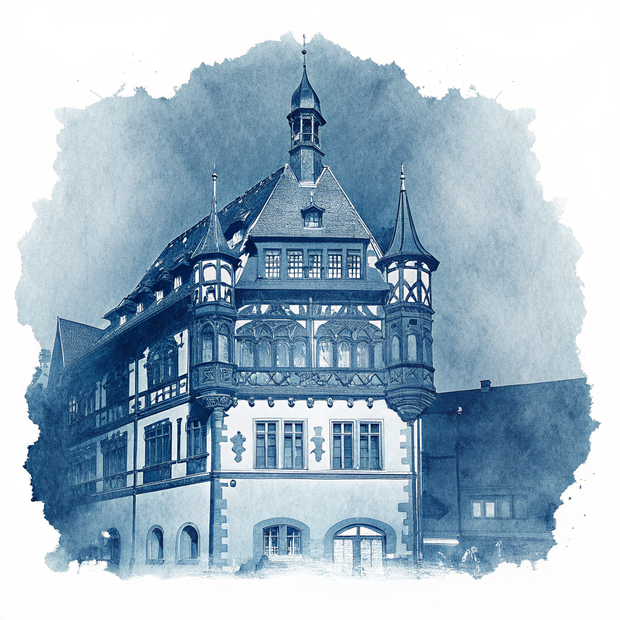
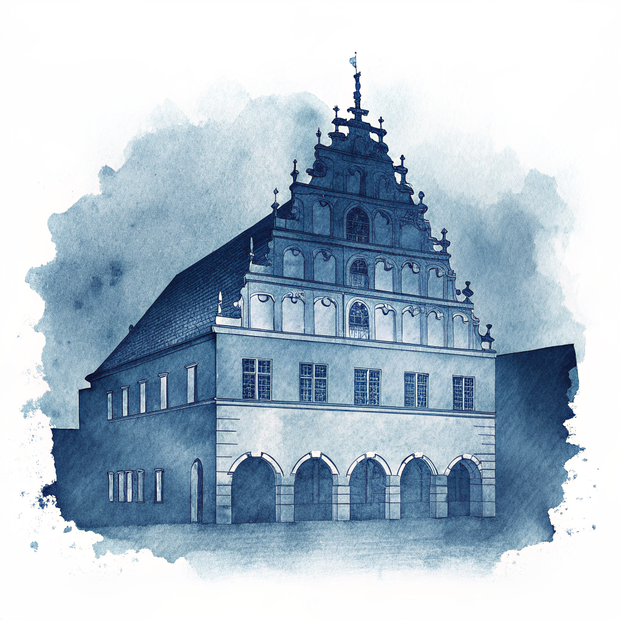
Shop the Collection

To help you build your own global archive, we've prepared this collection of watercolor studies from our research into Colmar, France. These artifacts are designed to bring the stillness of this corner of the world into your home.

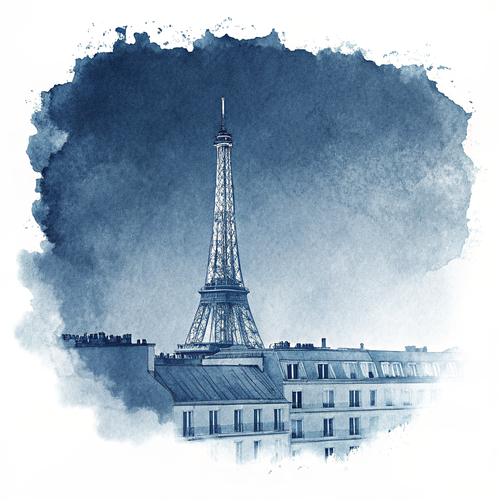
Original Series Decorative Magnet

A personal study of Colmar, France, captured in high-fidelity watercolor and prepared for your collection.

Colmar, France | Little Venice Canal District | Original Series Decorative Magnet
Add to Collection / $18
Exclusive Series Artifact

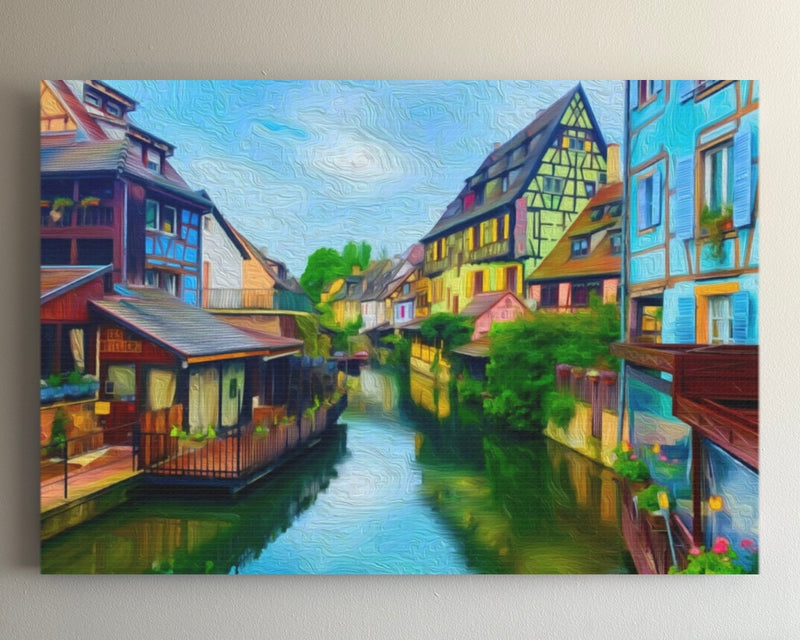
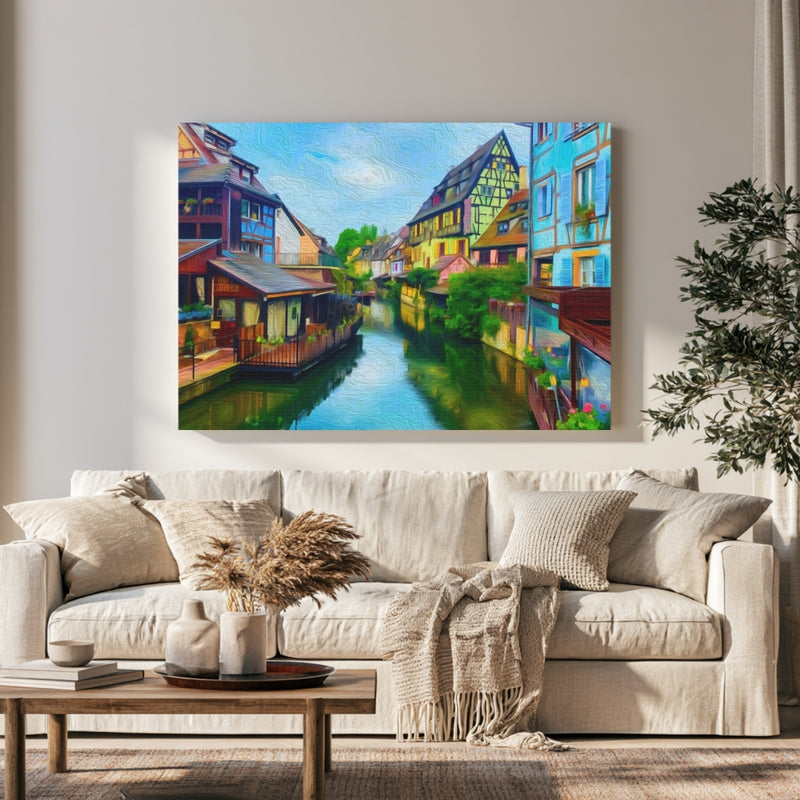
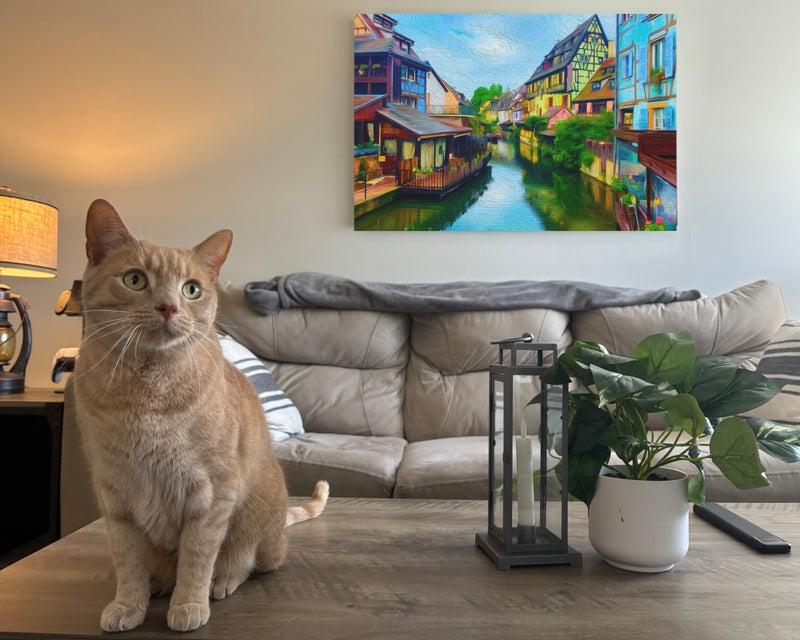
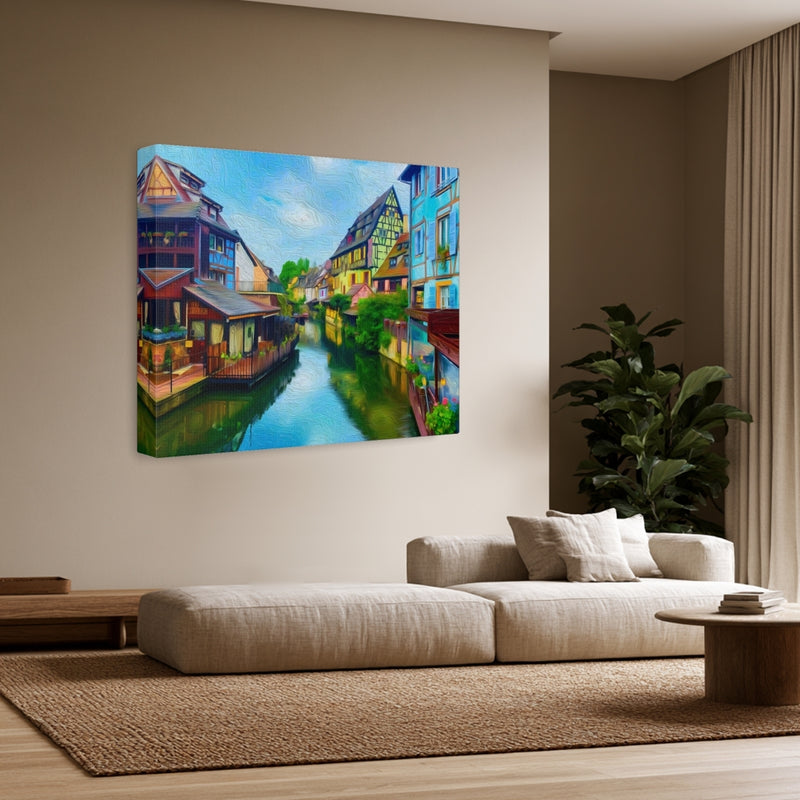
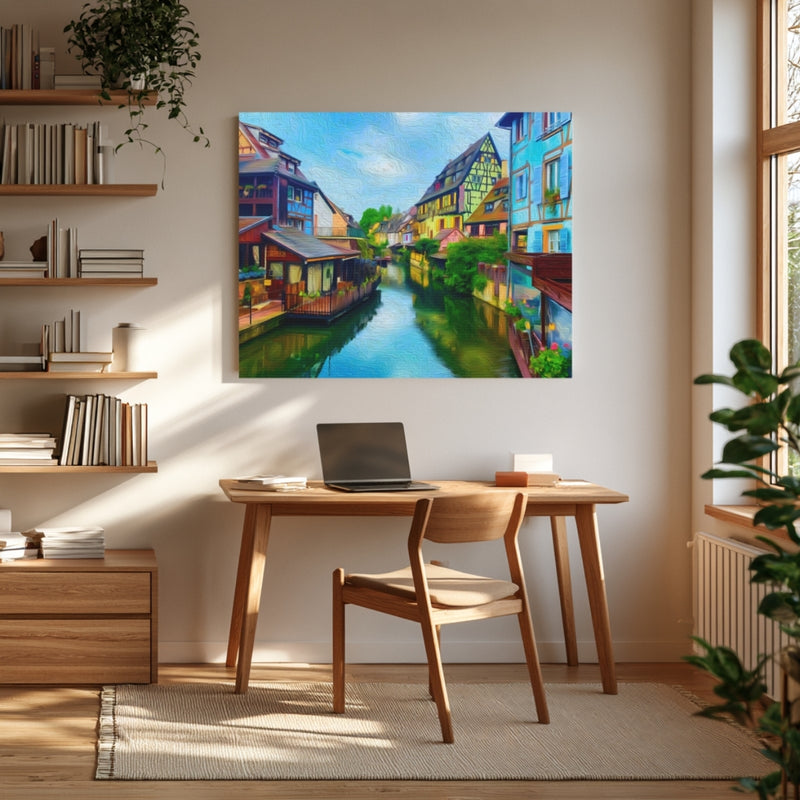
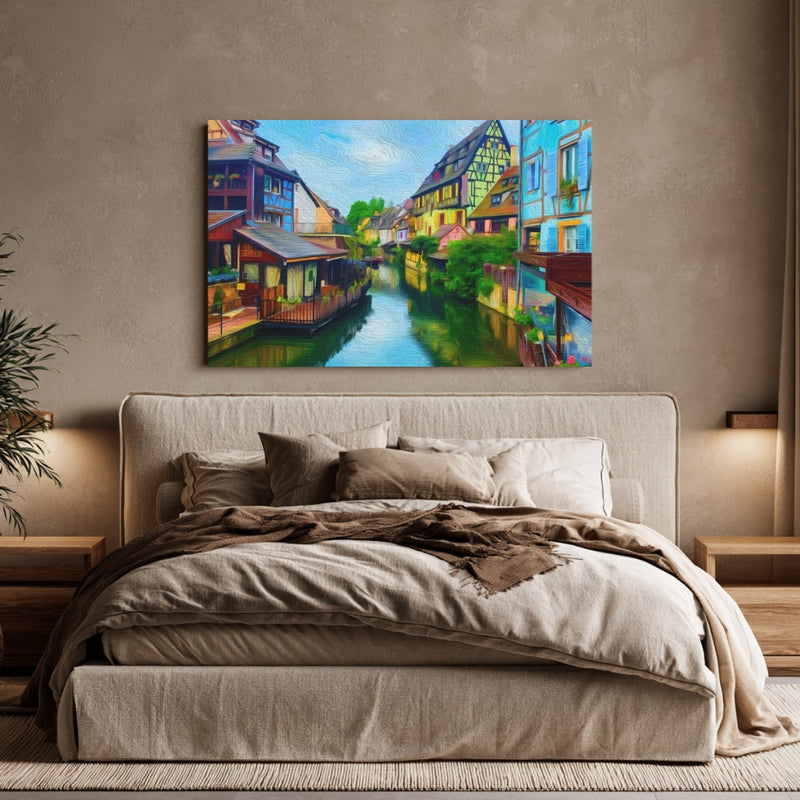
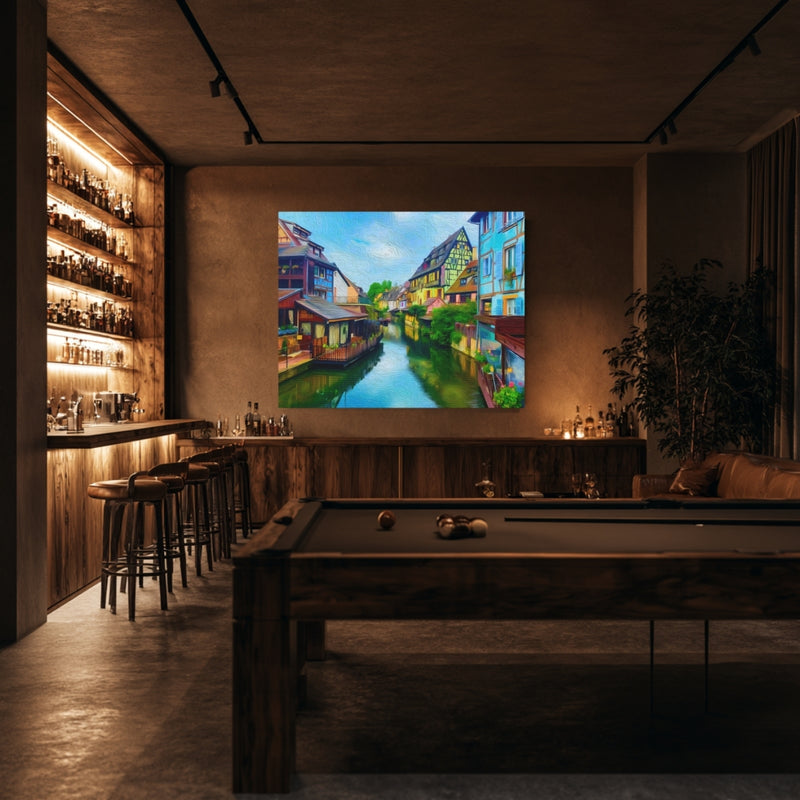
Original Series Gallery Canvas

This high-fidelity canvas is a beautiful way to anchor a room and keep your memories of Colmar, France fresh long after you've returned home.

Colmar, France | Little Venice Canal District | Original Series Gallery Canvas detail Colmar, France | Little Venice Canal District | Original Series Gallery Canvas detail Colmar, France | Little Venice Canal District | Original Series Gallery Canvas detail Colmar, France | Little Venice Canal District | Original Series Gallery Canvas detail
Add to Collection / $65

Original Series Hardboard Coaster

A personal study of Colmar, France, captured in high-fidelity watercolor and prepared for your collection.

Colmar, France | Little Venice Canal District | Original Series Hardboard Coaster
Add to Collection / $18
Exclusive Series Artifact

The Spirit of the Land

Archival Note: A curated field study of Colmar, France, prioritizing the specific atmospheric stillness of the region. These artifacts have been meticulously sourced from our global archival partners to represent the area's unique cultural frequency and environmental character. This selection serves as a formal observation for our ongoing global archive, vetted for its visual accuracy and archival merit.

Colmar, France study No. 01
Colmar, France / 01 VIA / Patrick Doyle
The half-timbered houses lean together in soft pastels—blush pink, butter yellow, cream—their shutters propped open to catch the pale afternoon light. Red flowers blur in the foreground where tourists gather along a railing, cameras raised toward the storied facades that have stood here for centuries. The scene feels lived-in rather than preserved, with laundry lines and TV antennas breaking up the postcard perfection, reminding visitors that people still wake up and make coffee behind those古老 windows.
Colmar, France study No. 02
Colmar, France / 02 VIA / Alireza Morsali
The late afternoon light softens the pastel facades and timber-framed houses, casting warm reflections across the still canal water. A boat drifts near the stone embankment while a few people linger along the walkway, their presence quiet against the centuries-old architecture. The air here seems to hold a particular stillness, the kind that comes when a place has settled into itself after years of being looked at.
Colmar, France study No. 03
Colmar, France / 03 VIA / Zhu Yunxiao
The cobblestones run in gentle curves down the empty street, their worn surfaces catching the orange light of sunset in uneven patches. Above the half-timbered house at the end of the lane, the sky blazes in layers of coral and amber, while the buildings themselves remain in shadow, their shutters closed against the fading day. A single street lamp stands dark and unlit, not yet needed in this brief moment between afternoon and evening.

Where to wander

Archival Note: A curated field study of Colmar, France, prioritizing cultural relevance and archival merit. While we haven't touched down here yet, we’ve meticulously vetted these locations through our global network of contributors to ensure they represent the most authentic atmosphere for your own expedition.

Local Cuisine Spotlight
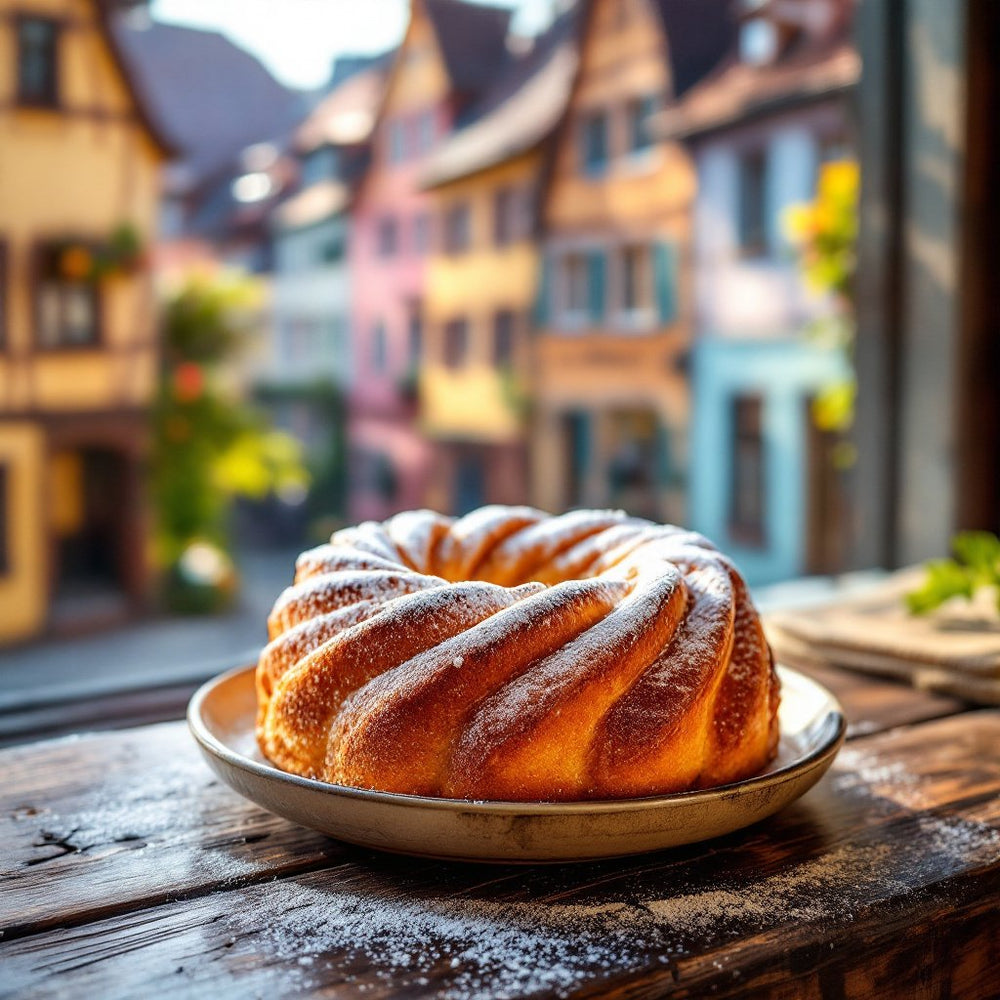
This golden Alsatian bundt cake, likely a kougelhopf, rests on a rustic plate with its signature ridged crown dusted in powdered sugar. The tender crumb develops from a slow-risen yeast dough enriched with butter and studded with raisins and almonds. Baked in its distinctive fluted mold, this traditional cake has graced Colmar tables for centuries.
Credits: S Dfkjfhkdfnk
Local cuisine study in Colmar, France

☕︎ Local Flavor

Wistub de la Petite Venise

Rating: 4.6* | Price: $$ | Coordinates: 48.0779 N, 7.3601 E

Checked tablecloths and copper pots hanging from oak beams set the scene for traditional Alsatian winstub dining at its most authentic. The tarte flambée emerges blistered from a wood-fired oven, while the coq au Riesling simmers in wine from vineyards visible from the terrace. Three generations of the same family have kept the recipes and the warm, unhurried pace unchanged.

View Entry Details

JY'S Restaurant

Rating: 5.0* | Price: $$$ | Coordinates: 48.0767 N, 7.3577 E

Chef Jean-Yves Schillinger earned his second Michelin star by reimagining Alsatian terroir through Japanese precision and French technique. Dishes arrive as edible landscapes—foie gras paired with yuzu, local pike-perch with sake-infused beurre blanc—each plate a meditation on balance. The intimate dining room's muted tones let the food speak in its own lyrical language.

View Entry Details

Aux Trois Poissons

Rating: 4.5* | Price: $$ | Coordinates: 48.0776 N, 7.3586 E

This former fishmonger's guild house serves the freshwater catches that made Colmar prosperous—pike, trout, and carp prepared with butter and herbs from the Tuesday market. Copper fish molds line the walls, and the menu changes with what arrives from local rivers and the Rhine. The courtyard fills with neighbors on summer evenings, debating wine harvests over Sylvaner.

View Entry Details

La Cocotte de Grand-Mère

Rating: 4.4* | Price: $ | Coordinates: 48.0772 N, 7.3580 E

Grandmother's cast-iron pot gives this cozy bistro its name and philosophy—slow-cooked comfort food that respects Alsatian traditions without pretense. The fleischnacka arrives in rich broth, the spätzle glistens with brown butter, and dessert means warm blueberry tart with crème fraîche. Locals claim corner tables here, reading newspapers over coffee that stretches into lunch.

View Entry Details

🛌︎ Boutique Stays

Hôtel Le Colombier

Rating: 4.7* | Price: $$$ | Coordinates: 48.0779 N, 7.3584 E

A 14th-century tannery transformed into a half-timbered refuge, where exposed oak beams and Renaissance details frame intimate courtyard views. Breakfast arrives on Alsatian pottery, and the family who restored these medieval bones over decades still greets guests personally. You'll fall asleep to the sound of the Lauch River, which once powered the building's workshops.

View Entry Details

James Boutique Hôtel

Rating: 4.8* | Price: $$$ | Coordinates: 48.0773 N, 7.3592 E

Contemporary elegance meets Alsatian heritage in this design hotel where each room tells a story through curated art and bespoke furnishings. The spa carved into historic cellars offers a hammam and treatments using regional grape extracts. Morning light floods through tall windows onto breakfasts featuring local Munster cheese and house-made kugelhopf.

View Entry Details

La Maison des Têtes

Rating: 4.6* | Price: $$$ | Coordinates: 48.0770 N, 7.3581 E

Named for the 111 grotesque stone faces adorning its Renaissance façade, this landmark building has welcomed travelers since 1609. Rooms blend period architecture with modern comfort, while the Michelin-starred restaurant downstairs offers inventive Alsatian gastronomy. The original carved staircase and painted ceilings reveal layers of Colmar's merchant guild history.

View Entry Details

Hostellerie Le Maréchal

Rating: 4.5* | Price: $$ | Coordinates: 48.0781 N, 7.3598 E

Four 16th-century houses linked along the Petite Venise canal create this family-run hostellerie, where geranium-filled window boxes overhang the water. Rooms feature hand-painted Alsatian furniture and some have private balconies for watching punts glide past at twilight. The riverside restaurant serves choucroute and baeckeoffe that locals still come home for.

View Entry Details

📍︎ Field Study

Musée Unterlinden

Rating: 4.7* | Price: $$ | Coordinates: 48.0769 N, 7.3553 E

Matthias Grünewald's Isenheim Altarpiece alone justifies the journey—its hallucinatory Renaissance panels depicting suffering and redemption remain almost unbearably powerful five centuries later. The former 13th-century Dominican convent now houses collections spanning Roman mosaics to Monet, connected by a striking modern wing. Stand before the altarpiece in the Gothic chapel where light still falls as the artist intended.

View Entry Details

La Petite Venise Boat Tour

Rating: 4.5* | Price: $ | Coordinates: 48.0780 N, 7.3602 E

Flat-bottomed punts glide through the tanners' and fishmongers' quarter where half-timbered houses lean toward their reflections in the Lauch. The twenty-minute journey reveals hidden courtyards, ancient water gates, and washing platforms once used by guild wives. Your guide, often a third-generation boatman, narrates in accented French how this working canal district survived wars that leveled neighboring towns.

View Entry Details

Maison Pfister

Rating: 4.6* | Price: $ | Coordinates: 48.0771 N, 7.3576 E

Built in 1537 for a wealthy hatmaker, this German Renaissance masterpiece dazzles with its wooden gallery, octagonal turret, and frescoes depicting emperors and biblical scenes. The painted exterior—recently restored—shows how Colmar's merchant elite announced their status through architecture. Now housing a wine shop, visitors can glimpse the interior's ornate medallions while browsing Alsatian Gewürztraminer.

View Entry Details

Bartholdi Museum

Rating: 4.3* | Price: $ | Coordinates: 48.0774 N, 7.3569 E

Frédéric Auguste Bartholdi was born in this elegant townhouse in 1834, and his birthplace now chronicles how a Colmar boy created the Statue of Liberty. Original plaster models, working drawings, and the artist's personal effects fill rooms where he first learned to sculpt. The top floor studio overlooks rooftops he sketched as a child, connecting Lady Liberty's torch to these Alsatian cobblestones.

View Entry Details

Typography

Archival Note: A formal technical study of Colmar, France—archiving the coordinates, elevation, and environmental data that define the region. This data serves as a vital record for our ongoing global field study, allowing us to reconstruct the regional atmosphere with archival precision before our physical arrival.

Botanical and pigment specimen study for Colmar, France Colors of Colmar, France
Coordinates
48.0779° N, 7.3584° E — Alsace Wine Route, France
Historical Epoch
Founded in the 9th century, Colmar flourished as a free imperial city through the Middle Ages, its wealth built on wine and textiles. Centuries of Franco-German tug-of-war left a hybrid soul, half Gothic, half Renaissance, all unmistakably Alsatian.
Elevation
185–195 m / 607–640 ft — Lauch River valley to the vineyard slopes
Atmosphere
Cfb - Oceanic climate. Summers are warm and perfect for vineyard strolling, while winters bring Christmas market magic and occasional snow that turns the half-timbered streets into living gingerbread.
Observation Hour
08:30 - The slanting morning sun turns the pastel facades of La Petite Venise into watercolor washes, and mist still clings to the canals, softening every edge into dreamlike gradations.
Primary Pigment
Geranium Rose (#E8A1A1) and Timber Umber (#8B6F47)
Best Time to Visit
May or September bring perfect vineyard-walking weather, softer light for photography, and the old town feels like it belongs to wanderers rather than tour groups.
Avoid Visiting
January and February turn bitterly cold once the Christmas markets pack up, with many restaurants closing for annual breaks and the vineyards standing bare and brown.

The Local Tongue

Language is the invisible architecture of Colmar, France. These entries document the regional vocabulary—capturing the "texture" of local speech that standard translations often miss. Hand-curated expressions reflecting the specific spirit and daily rhythm of the region.
Archival study of French cultural texture

via / Tamara Gerwinat

Primary Language French
Regional Dialect Alsatian French

Winstub

A winstub is a traditional Alsatian tavern where wine flows as freely as conversation, tucked into vaulted cellars or timber-beamed rooms warmed by ceramic stoves. The air inside smells of sauerkraut, smoked pork, and Gewurztraminer, and locals gather at shared tables under wreaths of dried hops.

Bredele

Bredele are the small spiced Christmas cookies baked in dozens of varieties throughout December, scenting entire neighborhoods with cinnamon, anise, and almond. Grandmothers guard secret recipes, and the best ones crumble on the tongue with notes of Alsatian white wine and orange zest.

Flammekueche

Flammekueche, sometimes called tarte flambee, is the region's answer to pizza: paper-thin dough topped with creme fraiche, onions, and lardons, baked in wood-fired ovens until the edges char and crisp. It arrives at the table on wooden boards, meant for sharing over carafes of Riesling.

Wait! before you go...

Before you head over to Colmar, France, we’ve audited the essential data points for this corner of the world. These notes cover the logistics—from currency ratios to transit hubs—to help you navigate the landscape with clarity.
🚲 Getting Around The entire old town unfolds within a 20-minute walk, and bicycles can be rented near the train station for vineyard excursions. The navette shuttle loops through the key neighborhoods every 15 minutes and costs just a euro, saving weary feet after market browsing.
⚖️ Cash or Card Cards work nearly everywhere, but small winstubs and market vendors still prefer cash, especially for wine tastings at cellar doors. Carrying 20 or 30 euros means never having to pass up a wheel of Munster cheese or a jar of wild bilberry jam at the Saturday morning market.
☁️ Good to Know Visit the covered market on Saturday mornings not just for produce, but to watch locals debate the merits of different Munster cheeses with the intensity of sommeliers. Arriving by 9am means first pick of the foie gras and still-warm kugelhopf before the crowds descend.
🏧 ATMs Societe Generale and Credit Mutuel machines cluster around Place de la Cathedrale and near the covered market. Using bank-affiliated ATMs rather than independent ones saves on fees, and withdrawing larger sums less frequently beats multiple small transactions.
💳 Currency The euro reigns here, and Colmar sits in the mid-range for French towns. A pain au chocolat runs about 1.50 euros, a hearty winstub lunch with wine around 18-25 euros, and museum entry typically 8-13 euros, making it kinder to wallets than Paris.
🔌 Plugs Standard European Type E plugs with two round pins, 230V. A simple adapter works for most devices, though North American hairdryers may struggle.
🛡️ Safety Colmar feels wonderfully safe, even wandering the canal-side lanes after dark when the bridges glow with lantern light. The usual city cautions apply during Christmas market season when crowds swell, but the biggest risk is accidentally buying too much vin chaud and gingerbread.
✈️ Airports EuroAirport Basel-Mulhouse-Freiburg (MLH/BSL/EAP) sits 65km south, about an hour by direct FlixBus or airport shuttle for 15-20 euros. Strasbourg Airport (SXB) is closer at 70km but offers fewer international connections, with trains into Colmar taking about 35 minutes.

Behind The Scenes

Nathan

Note from the Founder

Hey, did you know this fun fact about Colmar, France? The Isenheim Altarpiece at Musee Unterlinden, painted by Matthias Grunewald around 1515, was originally created for a hospital treating plague victims. Its haunting crucifixion scene was meant to comfort the dying by showing Christ's suffering mirrored their own.
Thank you for exploring the Colmar, France series with us. We hope these notes have inspired you to add this incredible destination to your own passport—we are so glad you're here. — Nathan

Some of our Favorites