Shop the Collection

To help you build your own global archive, we've prepared this collection of watercolor studies from our research into Cape Breton Island, Nova Scotia. These artifacts are designed to bring the stillness of this corner of the world into your home.

Original Series Decorative Magnet

A personal study of Cape Breton Island, Nova Scotia, captured in high-fidelity watercolor and prepared for your collection.

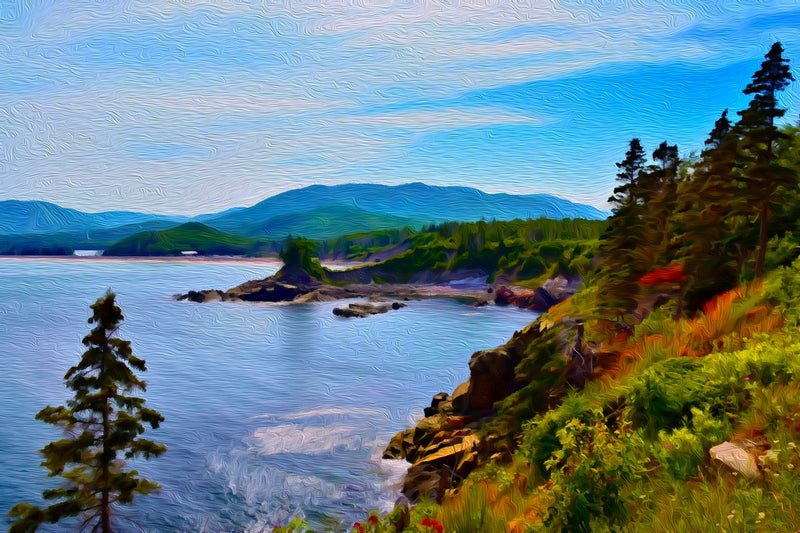
Cape Breton Island, Nova Scotia | Rocky Coastal Wilderness Vista | Original Series Decorative Magnet
Add to Collection / $18
Exclusive Series Artifact

Original Series Gallery Canvas

This high-fidelity canvas is a beautiful way to anchor a room and keep your memories of Cape Breton Island, Nova Scotia fresh long after you've returned home.

Cape Breton Island, Nova Scotia | Rocky Coastal Wilderness Vista | Original Series Gallery Canvas detail Cape Breton Island, Nova Scotia | Rocky Coastal Wilderness Vista | Original Series Gallery Canvas detail Cape Breton Island, Nova Scotia | Rocky Coastal Wilderness Vista | Original Series Gallery Canvas detail Cape Breton Island, Nova Scotia | Rocky Coastal Wilderness Vista | Original Series Gallery Canvas detail
Add to Collection / $65

Original Series Hardboard Coaster

A personal study of Cape Breton Island, Nova Scotia, captured in high-fidelity watercolor and prepared for your collection.

Cape Breton Island, Nova Scotia | Rocky Coastal Wilderness Vista | Original Series Hardboard Coaster
Add to Collection / $18
Exclusive Series Artifact

The Spirit of the Land

Archival Note: A curated field study of Cape Breton Island, Nova Scotia, prioritizing the specific atmospheric stillness of the region. These artifacts have been meticulously sourced from our global archival partners to represent the area's unique cultural frequency and environmental character. This selection serves as a formal observation for our ongoing global archive, vetted for its visual accuracy and archival merit.

Cape Breton Island, Nova Scotia study No. 01
Cape Breton Island, Nova Scotia / 01 VIA / Jeffrey Eisen
The afternoon light catches the mineral-rich stone face of the cliff, illuminating layers of gray and rust-colored rock against the deep green forest canopy. The water below transitions from brilliant turquoise near shore to deeper blue, creating a striking contrast with the weathered granite and vegetation that frames this quiet cove. This serene moment captures the raw beauty of Nova Scotia's coastal landscape, where ancient geology meets the Atlantic.
Cape Breton Island, Nova Scotia study No. 02
Cape Breton Island, Nova Scotia / 02 VIA / Arif Talukder
Golden afternoon light bathes the dramatic cliff faces and verdant forests of Cape Breton Island, creating a serene yet majestic atmosphere. The serpentine coastal road traces through dense boreal woodland, offering a sense of isolation and wild beauty. Standing here, one would feel the intersection of peaceful wilderness and the raw power of the Atlantic Ocean meeting ancient, weathered stone.
Cape Breton Island, Nova Scotia study No. 03
Cape Breton Island, Nova Scotia / 03 VIA / Jeffrey Eisen
This dramatic coastal vista showcases Cape Breton Island's striking geological features, where verdant forests sweep down to meet distinctive red-hued cliffs and pristine beaches. The composition reveals the island's rugged beauty, with the deep blue Atlantic waters providing stark contrast to the warm terracotta tones of the exposed earth. Most visitors focus on the sweeping landscape, yet the delicate scattered white buildings nestled among the trees tell quiet stories of persistent human settlement in this wild, remote corner of Nova Scotia.

Where to wander

Archival Note: A curated field study of Cape Breton Island, Nova Scotia, prioritizing cultural relevance and archival merit. While we haven't touched down here yet, we've meticulously vetted these locations through our global network of contributors to ensure they represent the most authentic atmosphere for your own expedition.

Local Cuisine Spotlight
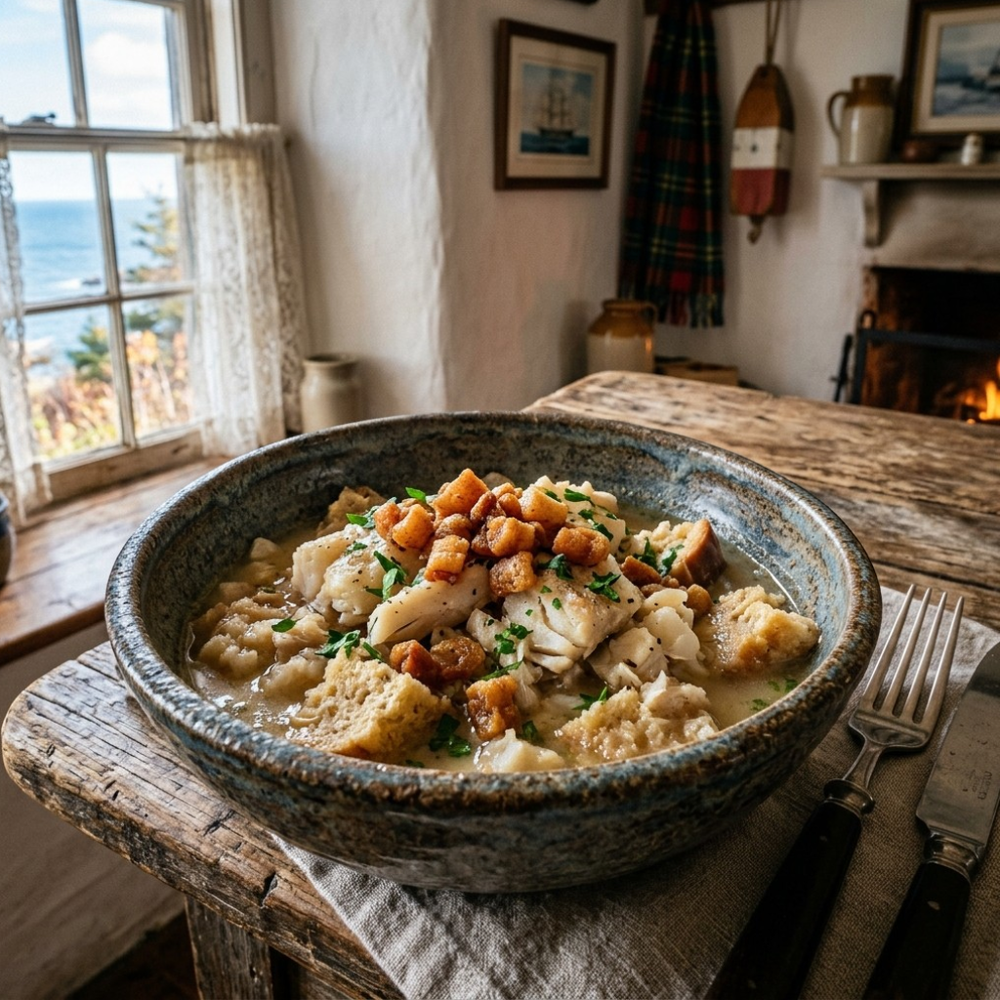
This classic Cape Breton seafood chowder showcases the region's bounty, combining tender white fish with a rich, velvety broth and crispy toasted croutons. Served in earthy handmade pottery, the dish embodies the warmth and authenticity of traditional Maritime cooking. Each spoonful connects to generations of seaside tradition and wholesome coastal comfort.
Credits: THE PAINTED PASSPORT
Local cuisine study in Cape Breton Island, Nova Scotia

☕︎ Local Flavor

Flavor on the Water

Rating: 5* | Price: $$$ | Coordinates: 46.1333° N, 60.1833° W

Situated right on the Bras d'Or Lake waterfront in Sydney, this beloved restaurant serves beautifully fresh Nova Scotia seafood in a warm and unpretentious setting. The pan-seared halibut with local herbs is consistently outstanding and showcases the region's bounty with real honesty. Watching the sun dip over the lake while enjoying a bowl of creamy seafood chowder is simply perfect.

View Entry Details

The Portage Restaurant at Cabot Links

Rating: 5* | Price: $$$$ | Coordinates: 46.3167° N, 61.1500° W

With floor-to-ceiling windows framing the Gulf of St. Lawrence and Inverness Beach, dining here is a full sensory experience that goes well beyond the food. The kitchen sources ingredients locally and with genuine care, producing dishes that celebrate Cape Breton's land and sea with sophistication. The lobster bisque alone is worth making the drive to this remote and beautiful corner of the island.

View Entry Details

Chanterelle Country Inn Restaurant

Rating: 5* | Price: $$$ | Coordinates: 46.5833° N, 60.6333° W

Tucked into the North River valley near St. Ann's, this intimate dining room serves some of the most thoughtfully prepared food on the entire island using garden-fresh and foraged ingredients. The chef's commitment to wild mushrooms, local meats, and seasonal produce makes every meal feel like a true expression of the Cape Breton landscape. It is the kind of meal that inspires quiet conversation long after the last bite.

View Entry Details

Rita's Tea Room

Rating: 4* | Price: $ | Coordinates: 46.2167° N, 59.9833° W

Named in honor of Cape Breton's beloved Rita MacNeil, this charming tearoom in Big Pond is a delightful stop for homemade baked goods, strong tea, and genuine Maritime warmth. The biscuits and blueberry squares taste exactly like something a kind grandmother would have made for you on a rainy afternoon. It is humble, heartfelt, and completely irreplaceable as part of any Cape Breton road trip experience.

View Entry Details

🛌︎ Boutique Stays

Keltic Lodge at the Highlands

Rating: 5* | Price: $$$$ | Coordinates: 46.7833° N, 60.5167° W

Perched dramatically on a headland above Middle Head Peninsula, this legendary resort offers sweeping ocean views that will genuinely take your breath away. Rustic elegance defines every corner, from the stone fireplace lobby to the cozy wood-paneled rooms. Waking up to fog rolling off the Atlantic here is an experience you will carry with you for years.

View Entry Details

Cabot Links Resort

Rating: 5* | Price: $$$$ | Coordinates: 46.3167° N, 61.1500° W

Nestled in the tiny village of Inverness, this world-class golf resort sits directly beside a wild sandy beach on the Gulf of St. Lawrence. Even if you never touch a golf club, the rooms are stunning and the sunsets over the water are absolutely extraordinary. The warm hospitality of the staff makes every guest feel like a genuinely welcome friend.

View Entry Details

Dundee Resort & Golf Club

Rating: 4* | Price: $$$ | Coordinates: 45.7833° N, 60.9667° W

Tucked along the shores of beautiful Bras d'Or Lake, Dundee offers charming cottages and lodge rooms surrounded by forested hills and glassy calm water. It is a wonderfully peaceful retreat where kayaking, sailing, and bonfires on the dock fill lazy summer evenings. The sense of seclusion here feels genuinely restorative, far removed from the noise of everyday life.

View Entry Details

Markland Coastal Resort

Rating: 4* | Price: $$$ | Coordinates: 46.6167° N, 60.7500° W

This intimate retreat near Dingwall features hand-crafted log cabins tucked into the boreal forest just steps from a secluded beach on Aspy Bay. Each cabin has a wood-burning fireplace and a deep sense of quiet that makes the world feel wonderfully far away. Guests rave about stargazing from the beach on clear nights, with the Milky Way stretching brilliantly overhead.

View Entry Details

📍︎ Field Study

Cape Breton Highlands National Park

Rating: 5* | Price: $ | Coordinates: 46.7500° N, 60.6667° W

Stretching across the northern tip of the island, this magnificent national park contains some of the most dramatic coastal scenery anywhere in eastern North America. The Cabot Trail winds through it with heart-stopping views at every curve, particularly at the French Mountain and MacKenzie Mountain lookoffs. Whether you hike, cycle, or simply drive slowly with the windows down, the park delivers a profound sense of natural wonder.

View Entry Details

Fortress of Louisbourg National Historic Site

Rating: 5* | Price: $$ | Coordinates: 45.9000° N, 59.9833° W

This meticulously reconstructed 18th-century French colonial fortress is the largest historical reconstruction in North America and an absolutely fascinating place to spend a full day. Costumed interpreters bring the streets, homes, and taverns vividly to life in a way that history books simply cannot match. The foggy Atlantic setting adds a haunting and beautiful atmosphere that makes the whole experience feel genuinely transporting.

View Entry Details

Skyline Trail

Rating: 5* | Price: Free | Coordinates: 46.8333° N, 60.8167° W

This iconic hiking trail winds through boreal forest before emerging onto a breathtaking headland boardwalk suspended above the Gulf of St. Lawrence at the edge of the Cape Breton Highlands. At sunset the views are extraordinary, with orange and pink light washing over the sea hundreds of metres below your feet. Moose sightings along the forested section are remarkably common, adding genuine wild excitement to the journey.

View Entry Details

Bras d'Or Lake Biosphere Reserve

Rating: 5* | Price: Free | Coordinates: 45.9500° N, 60.7500° W

This stunning inland sea at the heart of Cape Breton is a UNESCO Biosphere Reserve and one of the most ecologically remarkable bodies of water in all of Canada. Bald eagles soar overhead regularly while great blue herons wade the shallows with patient elegance along the quiet shoreline roads. Paddling a kayak across its glassy surface on a calm morning, surrounded by forested hills, is a quietly magical experience unlike anything else.

View Entry Details

Typography

Archival Note: A formal technical study of Cape Breton Island, Nova Scotia—archiving the coordinates, elevation, and environmental data that define the region. This data serves as a vital record for our ongoing global field study, allowing us to reconstruct the regional atmosphere with archival precision before our physical arrival.

Botanical and pigment specimen study for Cape Breton Island, Nova Scotia Colors of Cape Breton Island, Nova Scotia
Coordinates
46.1500° N, 60.5833° W — Central Cape Breton Island, Nova Scotia, Canada
Historical Epoch
Mi'kmaq peoples inhabited this island for thousands of years before French Acadians arrived in the 1600s and Scottish Highlanders followed after the Clearances, layering the landscape with three distinct cultures whose legacies still shape daily life.
Elevation
0-532 m / 0-1,745 ft - Sea level along the Bras d'Or shoreline rising to the Cape Breton Highlands plateau near White Hill, the island's highest point.
Atmosphere
Dfb - Humid Continental. Cool summers and heavy winters shaped by Atlantic moisture. Expect dramatic seasonal swings, ocean fog, and some of Canada's most cinematic storm light.
Observation Hour
06:30 - Golden Atlantic light skims the highlands in early morning, turning sea cliffs amber and mist-filled valleys violet. The hour before 08:00 is extraordinary for coastal painting. Max 220 chars.
Primary Pigment
Highland Spruce (#3B5C45) and Atlantic Slate (#7A9BAE)
Best Time to Visit
September through October - Fall foliage transforms the highlands with extraordinary colour and the summer crowds have thinned considerably.
Avoid Visiting
January through March - Deep winter brings heavy snowfall, road closures on the Cabot Trail, and most visitor-facing businesses shut entirely.

The Local Tongue

Language is the invisible architecture of Cape Breton Island, Nova Scotia. These entries document the regional vocabulary—capturing the "texture" of local speech that standard translations often miss. Hand-curated expressions reflecting the specific spirit and daily rhythm of the region.
Archival study of English cultural texture

via / Bogdan Krupin

Primary Language English
Regional Dialect Cape Breton English, with Gaelic loanwords and a distinct lilting cadence shaped by Scottish Highland settlement patterns and Acadian French influence.

Ceilidh

Ceilidh means a gathering of music, dance, and storytelling rooted in Gaelic tradition. On Cape Breton, a ceilidh is not a performance to watch from a seat but something visitors are pulled into, fiddle notes spilling out of community hall doors on a warm July evening until the floor literally shakes.

Sgian-dubh

Sgian-dubh refers to the small ceremonial knife traditionally worn tucked into the top of a Scottish Highland sock. On Cape Breton, where Highland Games are held each summer in Antigonish and across the island, the sgian-dubh remains a point of proud ancestral identity, polished and worn at competitions where the smell of fresh-cut grass mixes with pipe smoke.

Tignish

Tignish is a Mi'kmaq-derived place name meaning 'where the river runs through the alders,' a linguistic thread connecting visitors to the island's Indigenous geography long before European settlement. Walking a trail where the alders close overhead and the creek rushes cold below makes the word feel less like a label and more like a description still true today.

Wait! before you go...

Before you head over to Cape Breton Island, Nova Scotia, we’ve audited the essential data points for this corner of the world. These notes cover the logistics—from currency ratios to transit hubs—to help you navigate the landscape with clarity.
🚲 Getting Around A personal vehicle or rental car is essentially required to explore Cape Breton properly, as public transit across the island is minimal. The Cabot Trail is the defining scenic drive and best experienced over multiple days with stops built into the route.
⚖️ Cash or Card Cards are accepted at most restaurants, resorts, and shops across the island, making cash less essential than in rural Nova Scotia generally. Smaller roadside stands, farmers markets, and some folk festival vendors still prefer cash, so carrying a modest amount is wise.
☁️ Good to Know Cape Bretoners have a fierce and genuine pride in their island that is worth respecting openly. Asking a local about the best ceilidh or their favourite stretch of the Cabot Trail will almost always result in an unexpectedly generous and detailed conversation.
🏧 ATMs ATMs are available in larger towns like Sydney, Baddeck, Inverness, and Cheticamp, but can be sparse along remote stretches of the Cabot Trail. Withdrawing sufficient cash before heading into the highlands or the more rural coastal communities is strongly recommended.
💳 Currency The Canadian Dollar (CAD) is the only currency accepted across the island, and exchange rates are generally favorable for travelers arriving with US Dollars or Euros. Currency exchange is best handled in Halifax before arriving on the island, as options are limited locally.
🔌 Plugs Canada uses Type A and Type B outlets at 120V and 60Hz. US devices work without an adapter, but travelers from Europe, the UK, or Australia will need both an adapter and a voltage converter.
🛡️ Safety Cape Breton is a very safe destination for travelers, though the Cabot Trail demands serious attention as a driver, with narrow cliff-side sections and moose crossings most active at dawn and dusk. Wildlife on the road is the primary hazard and should never be underestimated.
✈️ Airports J.A. Douglas McCurdy Sydney Airport (YQY) serves Cape Breton directly with regional flights connecting through Halifax and Toronto. Halifax Stanfield International Airport (YHZ) is the primary international gateway, located roughly three hours from the Cabot Trail by road.

Behind The Scenes

Nathan

Note from the Founder

Hey, did you know this fun fact about Cape Breton Island, Nova Scotia? Cape Breton Island is home to one of the largest concentrations of Gaelic speakers outside Scotland, and the Gaelic College in St. Anns is the only institution of its kind in North America, offering language and traditional arts immersion year-round.
Thank you for exploring the Cape Breton Island, Nova Scotia series with us. We hope these notes have inspired you to add this incredible destination to your own passport—we are so glad you're here. — Nathan

Some of our Favorites