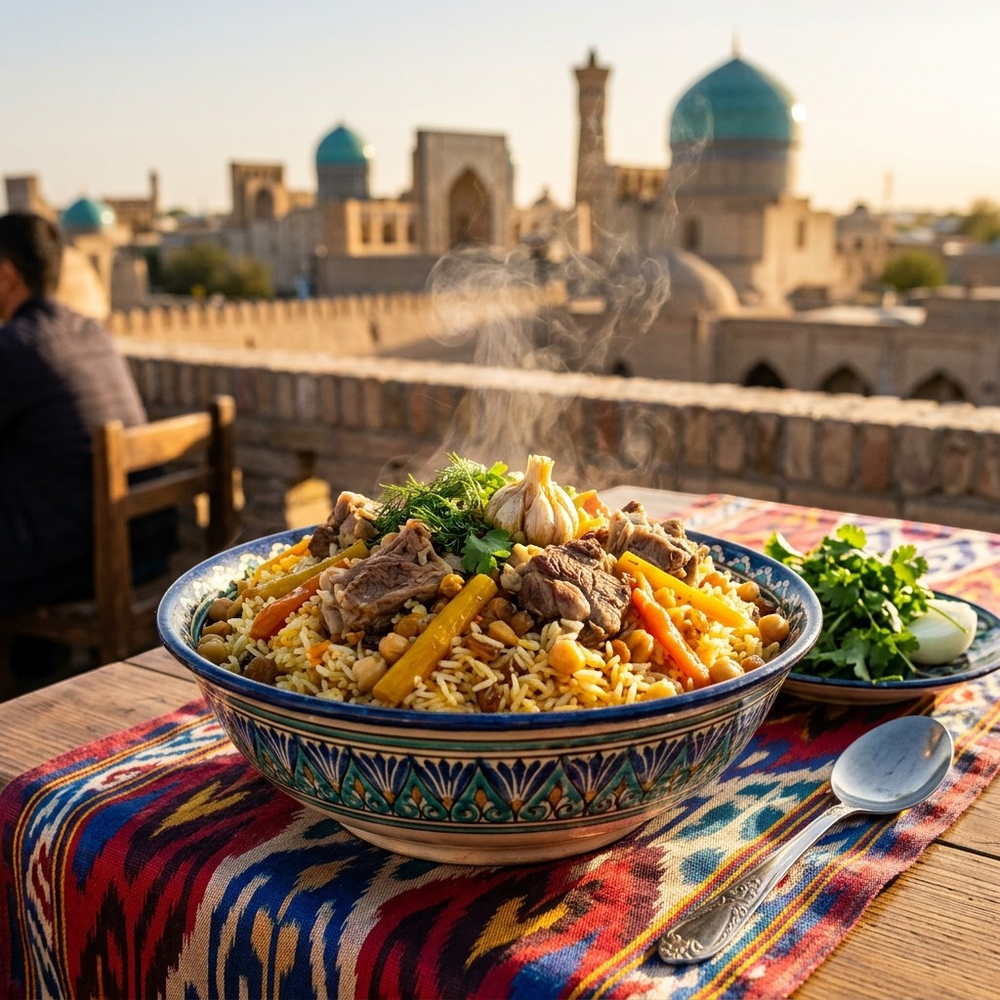
Local Cuisine Spotlight

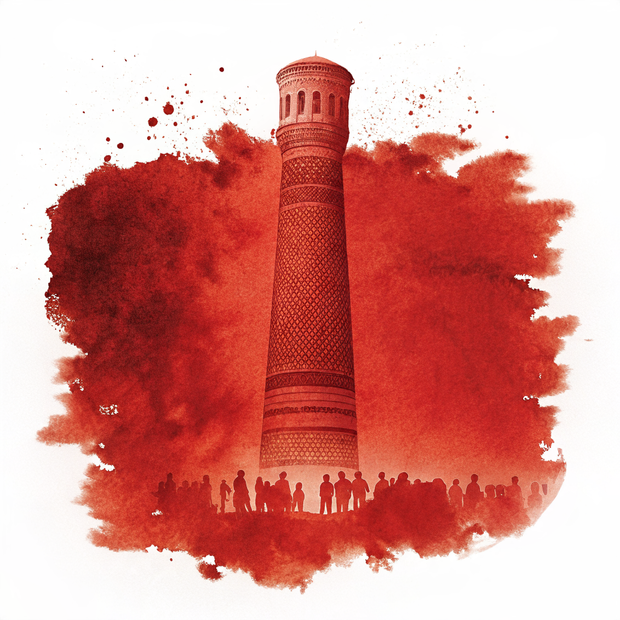
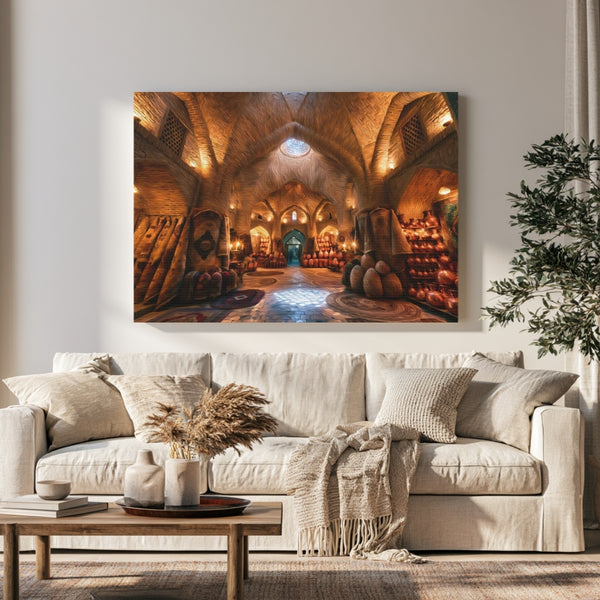
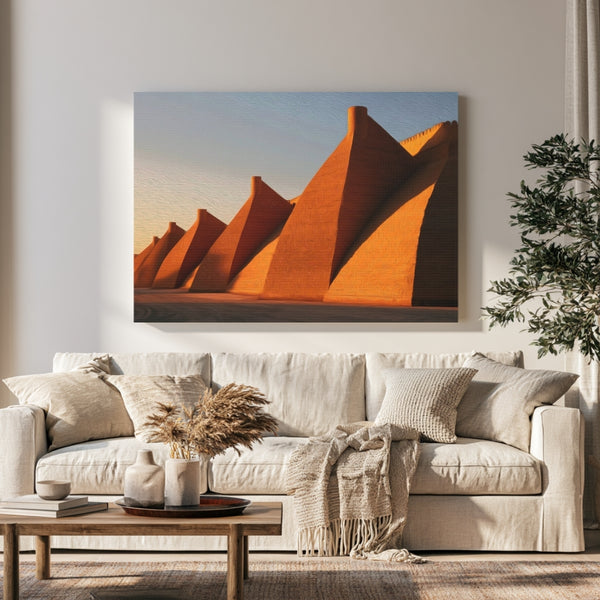
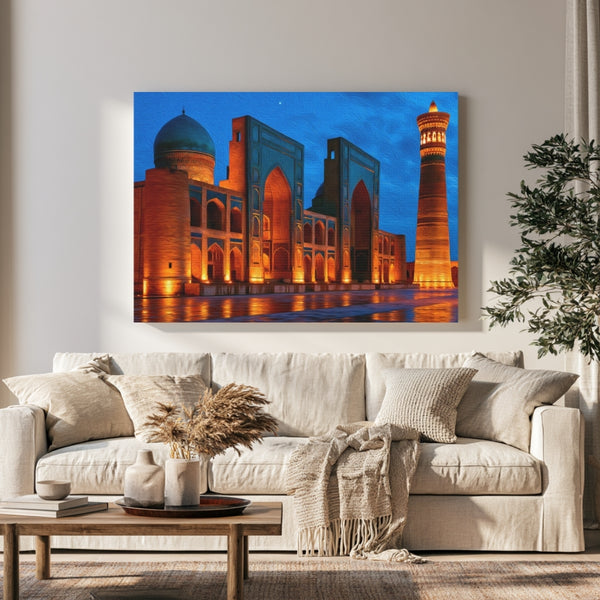
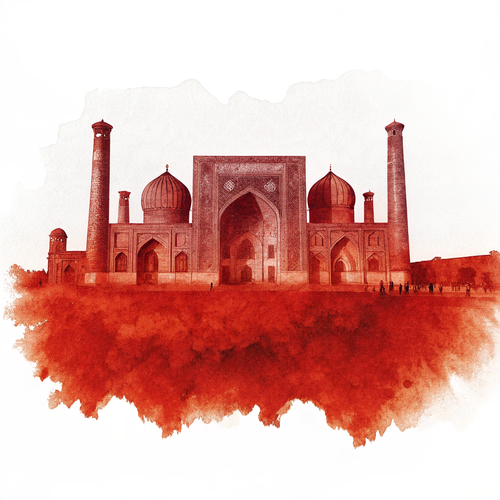
Now representing Bukhara — 6 original pieces, each hand-crafted in watercolor.
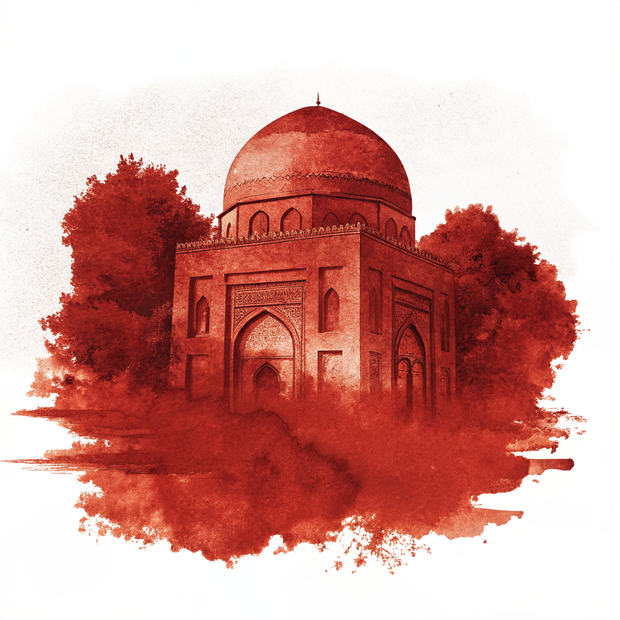
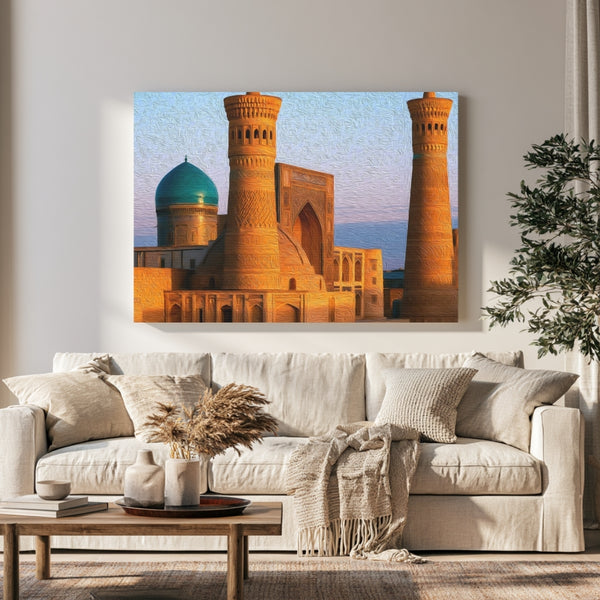
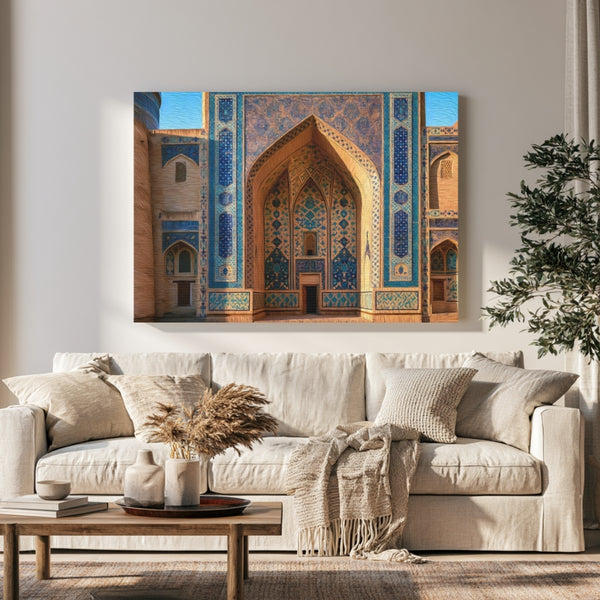
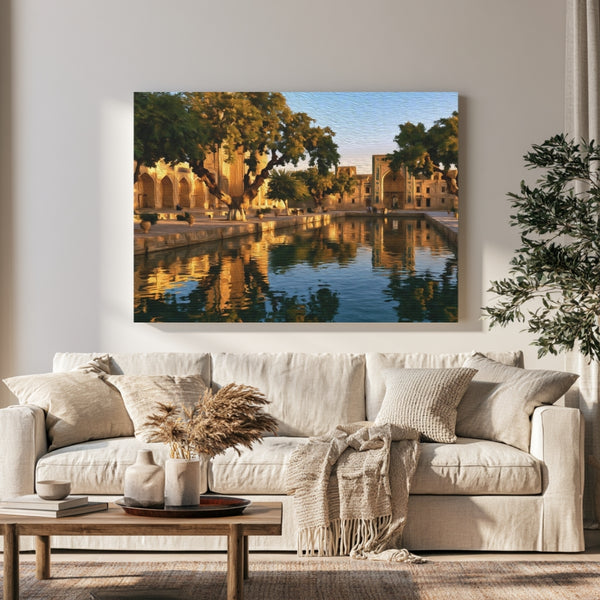
Bukhara is one of those rare places that feels older than time itself, a city where every mud-brick wall and tilework dome holds a story that predates most of the world's nations. Sitting at the heart of the ancient Silk Road, it drew merchants, scholars, poets, and conquerors for over two millennia, leaving behind a skyline that looks more like a dream than a destination. The light here has a quality that watercolor painters chase their whole careers: that particular gold that floods the old town at dusk, warming turquoise tiles into something almost amber. Walking the lanes between the Kalon Minaret and the Lyabi-Hauz pool at the end of the day feels less like sightseeing and more like stepping inside a living illuminated manuscript.
Every canvas is painted from a real place. Explore the map to see exactly where each scene lives — and wander Bukhara the way a traveler would, one landmark at a time.
Keep Exploring
Archival Note: A curated field study of Bukhara, Uzbekistan, prioritizing the specific atmospheric stillness of the region. These artifacts have been meticulously sourced from our global archival partners to represent the area's unique cultural frequency and environmental character. This selection serves as a formal observation for our ongoing global archive, vetted for its visual accuracy and archival merit.


Archival Note: A curated field study of Bukhara, Uzbekistan, prioritizing cultural relevance and archival merit. These locations have been meticulously researched and vetted to ensure they represent the most authentic atmosphere for your own expedition.
Archival Note: A formal technical study of Bukhara, Uzbekistan, archiving the coordinates, elevation, and environmental data that define the region. This data serves as a vital record for our ongoing global field study, providing the technical foundation behind every atmospheric detail captured in our visual work.
 Colors of Bukhara, Uzbekistan

via / AXP Photography


