The Real Buenos Aires
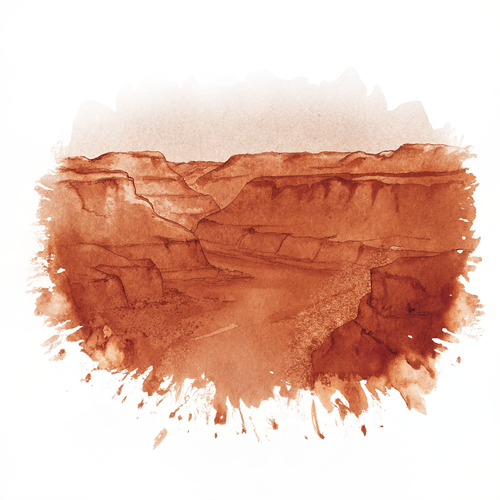
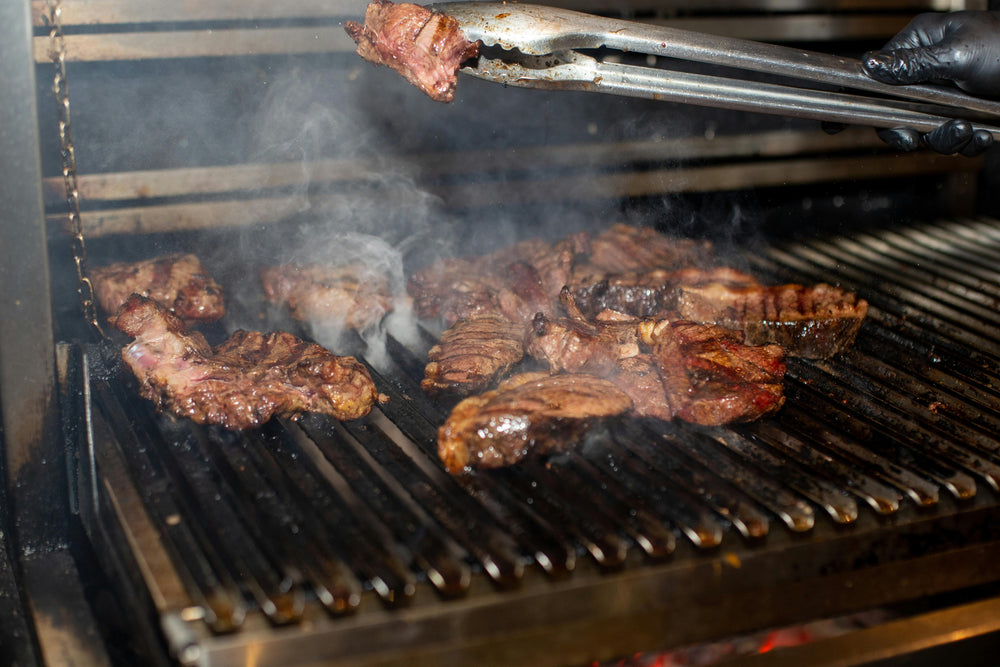
More than a shop, each page is an immersive guide to the real Buenos Aires: local tips and tricks, the language you'll hear, where to eat, stay, and explore, the lay of the land, and a fun fact to carry home — every canvas mapped to the very spot it was painted.
BUENOS AIRES, ARGENTINA | "The Paris of South America"
Buenos Aires is the most European city in South America and the cultural capital of the Spanish-speaking world, a city of fifteen million people spread across the Pampas grassland at the mouth of the Río de la Plata, where the French Beaux-Arts architecture of the Recoleta and Palermo neighborhoods, the cobblestone streets and colonial tiles of San Telmo, the tango and the asado and the long theatrical late-night dinner ritual define a social culture of extraordinary sophistication and warmth. The city was first founded by Pedro de Mendoza in 1536 and re-founded by Juan de Garay in 1580, becoming the capital of the Viceroyalty of the Río de la Plata in 1776 and the capital of independent Argentina in 1816, accumulating over four centuries the layers of architectural ambition that make the Avenida 9 de Julio the widest avenue in the world.
The colors are the warm tones of a European city translated to the Southern Hemisphere: the cream and grey of the Haussmann-inspired facades in Recoleta, the deep cobalt blue of the sky over the Pampas, the ochre of the colonial tiles in San Telmo, and the specific warm amber of the Buenos Aires golden hour when the flat Pampas light arrives without hills or mountains to interrupt it and illuminates the city from the west in a long, low, theatrical blaze.
We hope you love getting lost in Buenos Aires through the art above — and that one of these canvases finds a home on your wall. Happy travels, from all of us at The Painted Passport.