Shop the Collection

To help you build your own global archive, we've prepared this collection of watercolor studies from our research into Asilah, Morocco. These artifacts are designed to bring the stillness of this corner of the world into your home.

Original Series Decorative Magnet

A personal study of Asilah, Morocco, captured in high-fidelity watercolor and prepared for your collection.

Asilah, Morocco | Blue Alleyway Streets | Original Series Decorative Magnet
Add to Collection / $18
Exclusive Series Artifact

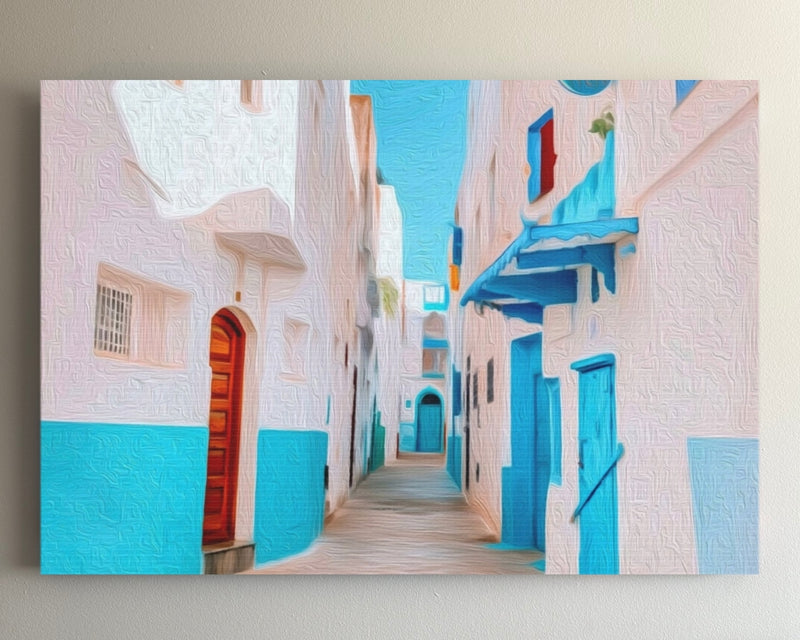
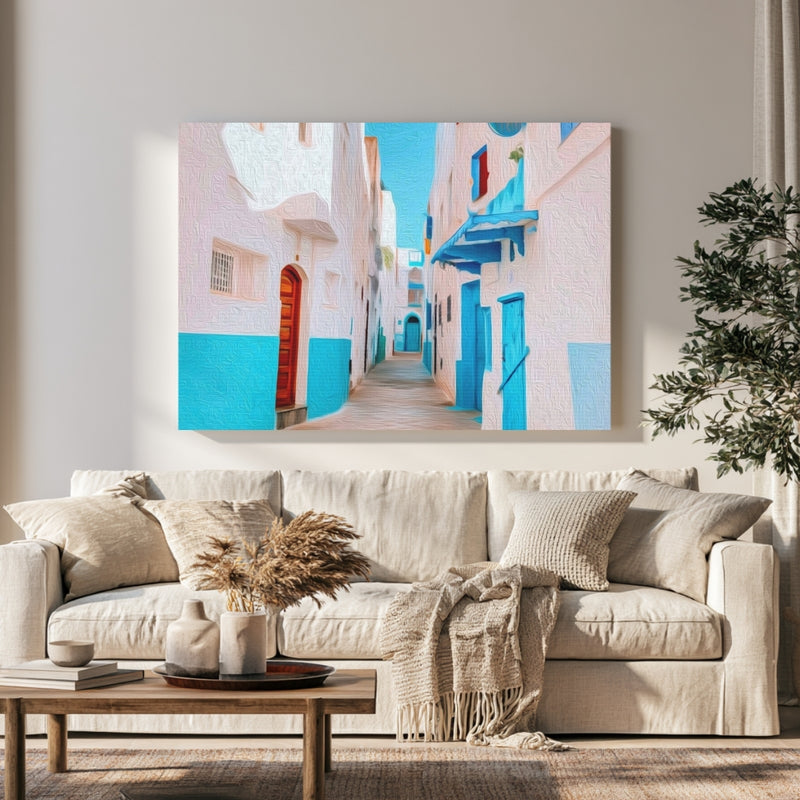
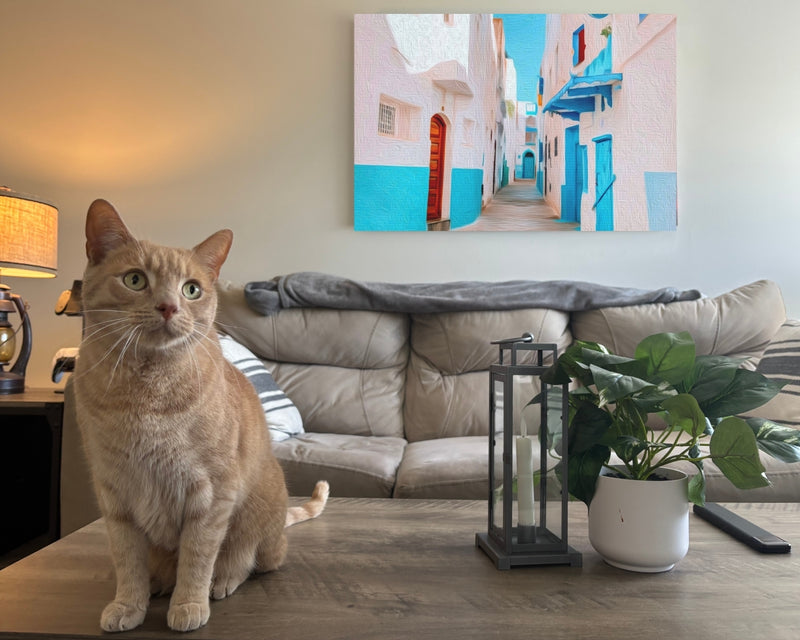
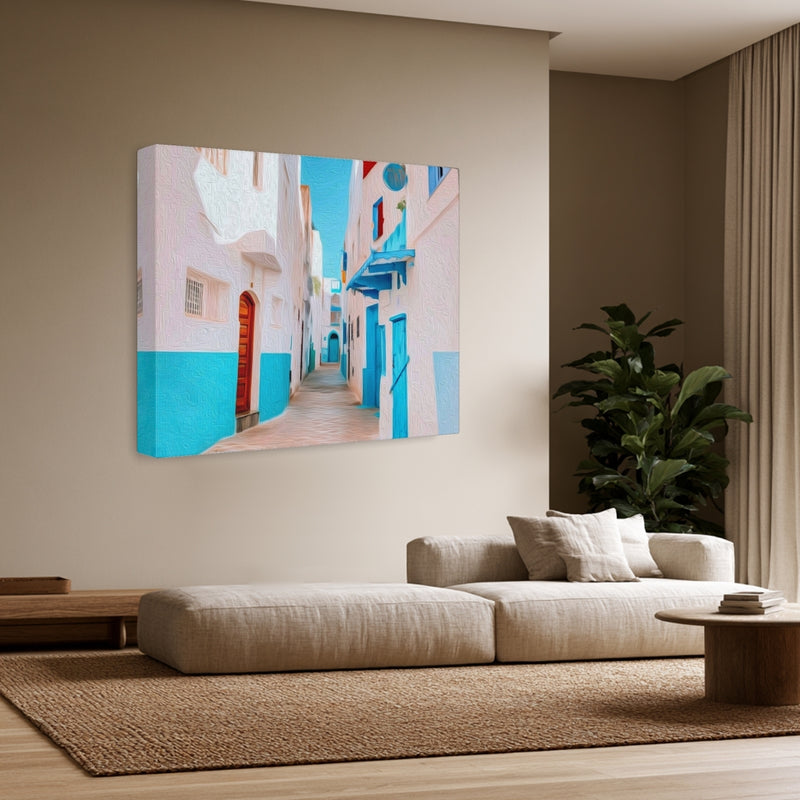
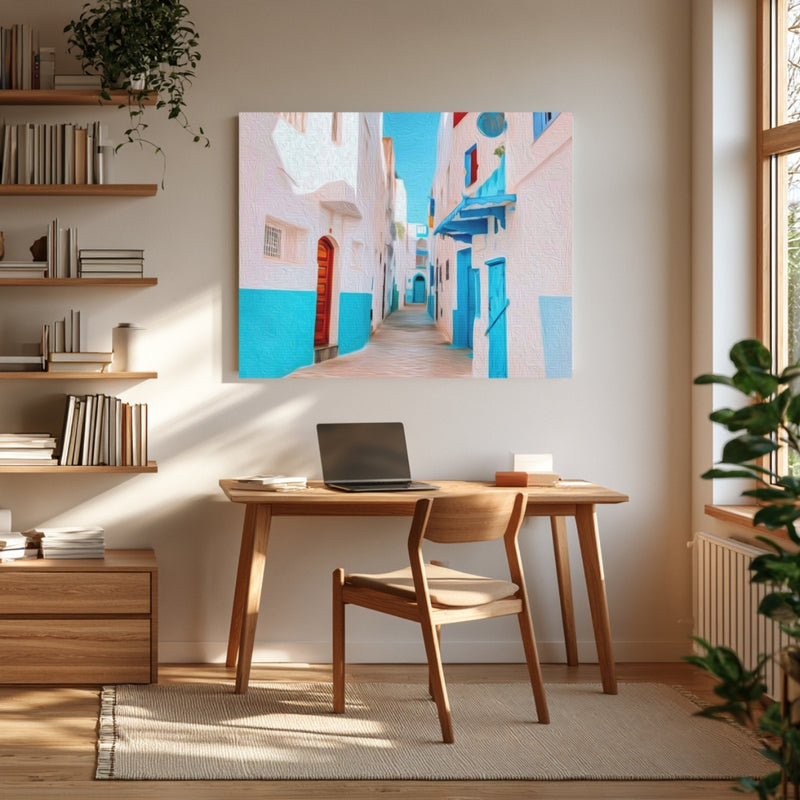
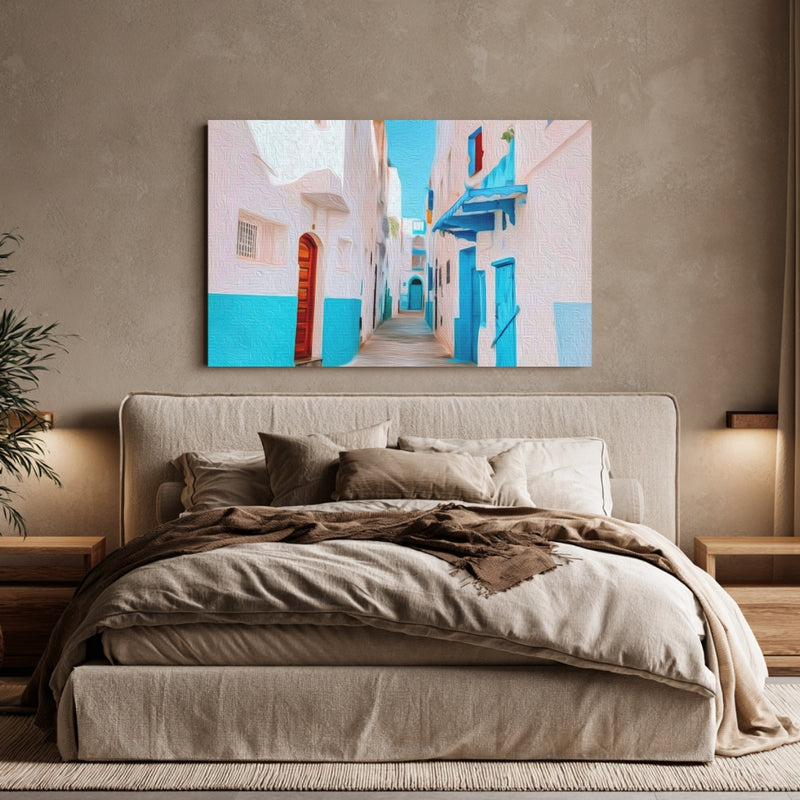
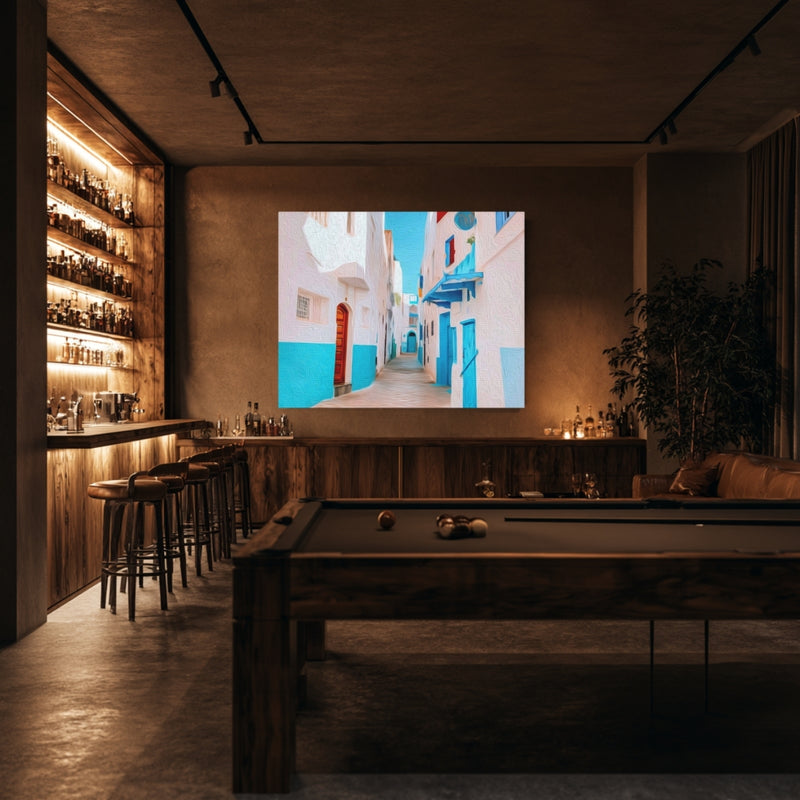
Original Series Gallery Canvas

This high-fidelity canvas is a beautiful way to anchor a room and keep your memories of Asilah, Morocco fresh long after you've returned home.

Asilah, Morocco | Blue Alleyway Streets | Original Series Gallery Canvas detail Asilah, Morocco | Blue Alleyway Streets | Original Series Gallery Canvas detail Asilah, Morocco | Blue Alleyway Streets | Original Series Gallery Canvas detail Asilah, Morocco | Blue Alleyway Streets | Original Series Gallery Canvas detail
Add to Collection / $65

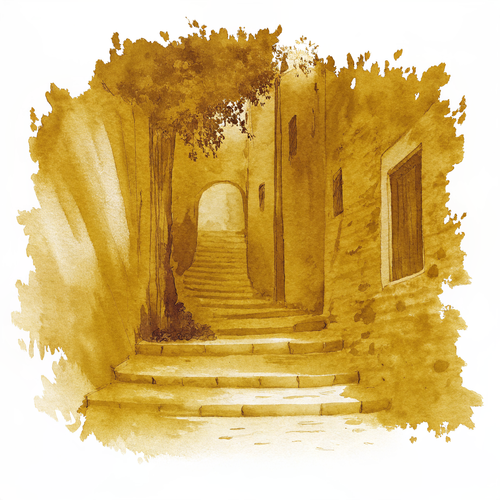
Original Series Hardboard Coaster

A personal study of Asilah, Morocco, captured in high-fidelity watercolor and prepared for your collection.

Asilah, Morocco | Blue Alleyway Streets | Original Series Hardboard Coaster
Add to Collection / $18
Exclusive Series Artifact

The Spirit of the Land

Archival Note: A curated field study of Asilah, Morocco, prioritizing the specific atmospheric stillness of the region. These artifacts have been meticulously sourced from our global archival partners to represent the area's unique cultural frequency and environmental character. This selection serves as a formal observation for our ongoing global archive, vetted for its visual accuracy and archival merit.

Asilah, Morocco study No. 01
Asilah, Morocco / 01 VIA / Milad Alizadeh
A vivid blue door stands framed by terracotta brick tilework against weathered white walls, its color so saturated it seems to vibrate in the North African light. Intricate mosaic panels flank the entrance—one featuring a decorative motif, the other a stylized tree design—while a diamond-pattern border runs along the base where the cobblestones meet the building. The contrast between the carefully maintained decorative elements and the cracked, aged plaster above speaks to layers of time and care in this coastal Moroccan town.
Asilah, Morocco study No. 02
Asilah, Morocco / 02 VIA / Diego Parra
The white buildings rise in clean geometric forms against a pale sky, their surfaces catching the soft, even light of what appears to be late afternoon. The stone fortification wall in the foreground shows its age through weathered textures and warm amber tones, creating a quiet contrast with the pristine whitewashed structures beyond. A stillness pervades the scene—minimal shadow, minimal movement—suggesting the suspended quality of a coastal town in the hours when heat keeps most activity indoors.
Asilah, Morocco study No. 03
Asilah, Morocco / 03 VIA / Mographe
The cobblestone path curves gently between whitewashed walls, their surfaces catching sharp afternoon light that casts geometric shadows from the decorative brick screen overhead. Potted plants line the narrow passage, their green leaves and red blooms softening the rigid architecture, while in the distance a building wears a distinctive blue band along its lower half—a splash of color that breaks the dominance of white. The scene feels lived-in rather than staged, with utility wires strung overhead and the worn texture of the stones underfoot suggesting countless footsteps over many years.

Where to wander

Archival Note: A curated field study of Asilah, Morocco, prioritizing cultural relevance and archival merit. While we haven't touched down here yet, we’ve meticulously vetted these locations through our global network of contributors to ensure they represent the most authentic atmosphere for your own expedition.

Local Cuisine Spotlight
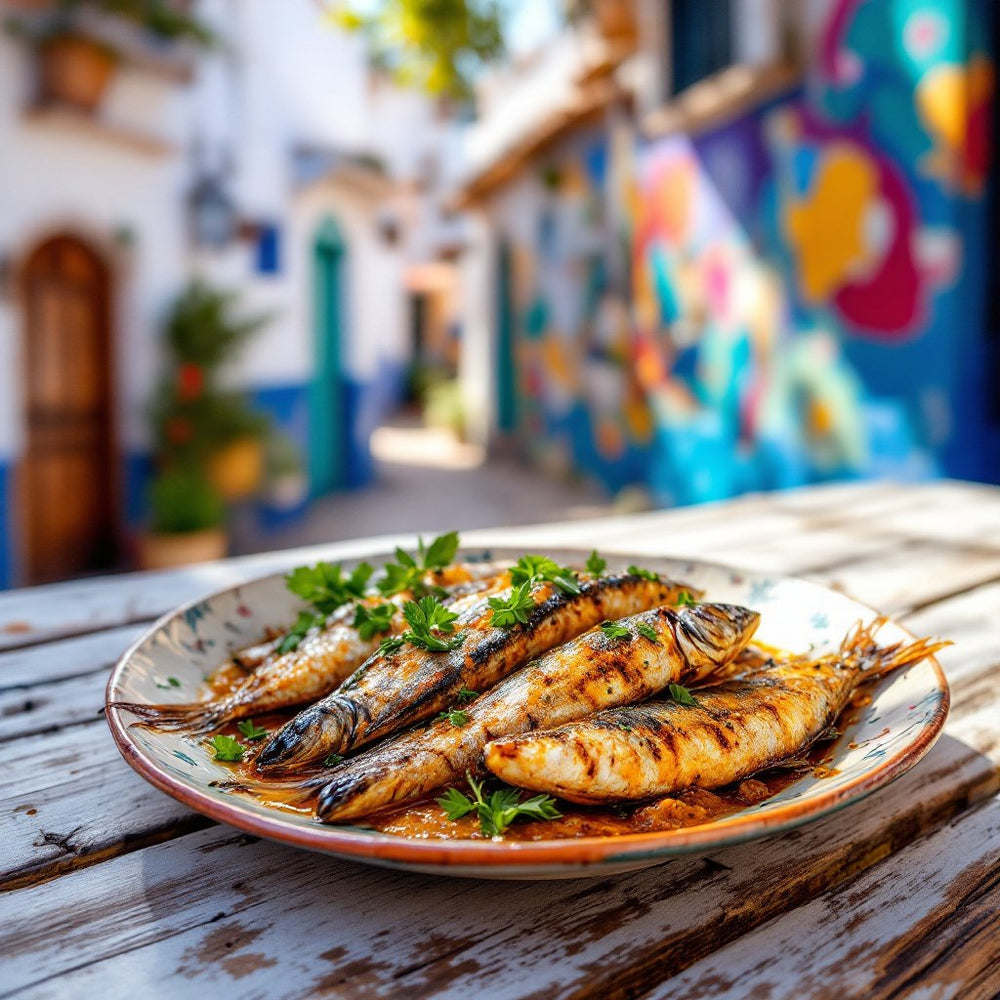
Fresh sardines glisten with char marks from the open grill, their silver skin crisped to perfection and flesh tender from the Atlantic catch. Garnished with bright parsley and served in a savory sauce, this coastal specialty reflects Asilah's fishing heritage, where each morning's haul is prepared simply to honor the sea's bounty.
Credits: The Painted Passport
Local cuisine study in Asilah, Morocco

☕︎ Local Flavor

Casa Garcia

Rating: 5* | Price: $$ | Coordinates: 35.4658 N, 6.0371 W

This Spanish-Moroccan fusion restaurant occupies a converted colonial home where ceiling fans turn slowly above tables set with hand-painted ceramics. The paella arrives studded with local prawns and saffron from Taliouine, while the proprietor's Galician grandmother's recipes merge seamlessly with Moroccan spicing. Reserve a table on the terrace during August's cultural festival when musicians perform against the medina's painted walls.

View Entry Details

Al Khaima

Rating: 4* | Price: $ | Coordinates: 35.4670 N, 6.0362 W

Hidden down an unmarked alley, this modest spot serves the most honest fish tagine in Asilah, prepared using recipes from the owner's fishing village upcoast. There's no menu—you choose from the morning's catch displayed on ice, and it emerges fragrant with preserved lemon and purple olives. Local artists and writers fill the simple tables at lunch, debating over bowls of harira between courses.

View Entry Details

Port XIV

Rating: 5* | Price: $$$ | Coordinates: 35.4645 N, 6.0380 W

The harbor's most sophisticated address transforms Atlantic seafood into contemporary Moroccan cuisine that respects both tradition and innovation. Chef Karim trained in Casablanca before returning home to source directly from the fishermen he grew up with, creating dishes like sea bass with ras el hanout chermoula. The wine list features Moroccan vintages from Meknes that pair beautifully with the ocean-forward menu.

View Entry Details

Café Tingis

Rating: 4* | Price: $ | Coordinates: 35.4663 N, 6.0368 W

Since 1973, this corner café has served as Asilah's living room, where fishermen share morning coffee with gallery owners and visiting painters. The specialties remain unchanged: strong café noir, fresh orange juice pressed to order, and pastries delivered twice daily from the medina bakery. Sit at the outdoor tables and watch the town wake up, exactly as travelers have done for five decades.

View Entry Details

🛌︎ Boutique Stays

Dar Al Maghrebia

Rating: 5* | Price: $$ | Coordinates: 35.4653 N, 6.0367 W

This restored riad sits within the medina's whitewashed walls, where geometric zellige tiles meet carved cedar ceilings in perfect harmony. Morning light floods the central courtyard while mint tea brews in the traditional salon, and the rooftop terrace offers unobstructed views of the Atlantic crashing against the ramparts. The owners, a local family, share stories of Asilah's transformation from Portuguese fortress to artist colony.

View Entry Details

Villa Josephine

Rating: 5* | Price: $$$ | Coordinates: 35.4622 N, 6.0389 W

Built in the 1920s for a Spanish aristocrat, this villa combines Moorish architecture with Art Deco flourishes rarely seen in northern Morocco. Each of the nine suites opens onto gardens fragrant with night-blooming jasmine, while the original mosaic floors tell stories of cross-cultural exchange. The intimate dining room serves dishes rooted in Andalusian tradition, prepared with fish pulled from the harbor that morning.

View Entry Details

Zelis Hotel & Spa

Rating: 4* | Price: $$ | Coordinates: 35.4680 N, 6.0420 W

Perched on the northern beach where locals gather at sunset, this boutique hotel captures the essence of Asilah's contemporary creative spirit. The minimalist rooms feature works by artists who've painted the medina murals, creating an ever-changing gallery experience. The hammam uses traditional black soap and essential oils sourced from the Rif Mountains, offering authentic Moroccan wellness away from tourist formulas.

View Entry Details

Riad Malak

Rating: 4* | Price: $ | Coordinates: 35.4665 N, 6.0355 W

This family-run guesthouse occupies a restored medina house where three generations have lived and welcomed travelers since the 1960s. The simple rooms surround a plant-filled patio where breakfast includes homemade msemen and preserves from the family's garden. What it lacks in luxury it offers in authenticity—the grandmother still weaves traditional textiles on a loom in the corner salon.

View Entry Details

📍︎ Field Study

Medina Murals

Rating: 5* | Price: $ | Coordinates: 35.4660 N, 6.0365 W

Every August since 1978, international artists have transformed the medina's whitewashed walls into an open-air gallery, creating layers of visual history that shift with each year's festival. The murals range from abstract geometric patterns echoing Islamic tradition to contemporary political commentary, all breathing life into the Portuguese ramparts. Walking these narrow streets becomes a conversation with decades of artistic dialogue, visible and visceral.

View Entry Details

Paradise Beach

Rating: 4* | Price: $ | Coordinates: 35.4590 N, 6.0510 W

This crescent of golden sand stretches south of town where the Atlantic meets Morocco with force and beauty, relatively untouched by development. Local families claim their spots on weekends while surfers test the consistent swells that roll in from the northwest. The light here shifts dramatically through the day, creating the exact coastal luminosity that draws watercolorists to set up easels in the dunes.

View Entry Details

Palais de Raissouli

Rating: 5* | Price: $ | Coordinates: 35.4667 N, 6.0358 W

Built in 1909 by the legendary bandit-governor El Raissouli, this palace-fortress reveals the complex power dynamics of early 20th-century Morocco through its architecture. Spanish and Moroccan elements merge in the carved plasterwork and painted ceilings, while the tower offers sweeping views of both medina and ocean. Now housing the Centre Hassan II, it hosts art exhibitions that continue Asilah's cultural legacy.

View Entry Details

Portuguese Ramparts

Rating: 5* | Price: $ | Coordinates: 35.4655 N, 6.0375 W

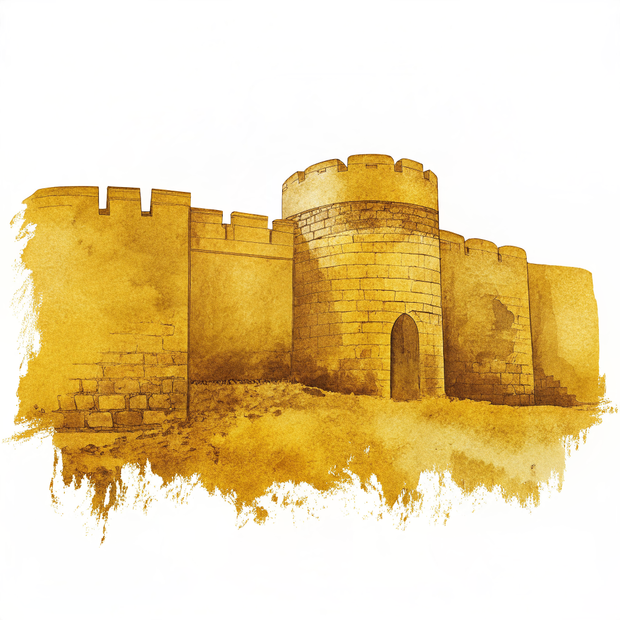
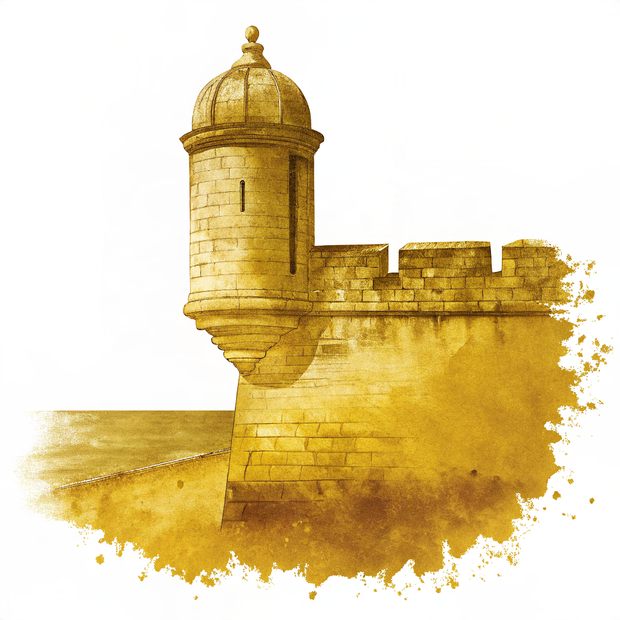
These 15th-century fortifications tell the story of Asilah's strategic importance, where Portuguese, Spanish, and Moroccan powers struggled for control of this Atlantic gateway. Walking the stone walkways at sunset, you'll pass cannons still pointing seaward and watch fishing boats return through the same harbor entrance they've used for centuries. The walls themselves have become canvases, where modern murals interact with five centuries of Mediterranean memory.

View Entry Details

Typography

Archival Note: A formal technical study of Asilah, Morocco—archiving the coordinates, elevation, and environmental data that define the region. This data serves as a vital record for our ongoing global field study, allowing us to reconstruct the regional atmosphere with archival precision before our physical arrival.

Botanical and pigment specimen study for Asilah, Morocco Colors of Asilah, Morocco
Coordinates
35.4660° N, 6.0365° W — Atlantic coast of northern Morocco
Historical Epoch
Phoenicians established the trading post, then Portuguese colonizers built the fortifications that still stand today. Spanish occupation followed before independence returned Asilah to Moroccan hands, each layer visible in architecture and street names.
Elevation
0–15 m / 0–49 ft — sea level beaches to upper medina terraces
Atmosphere
Csa - Hot-summer Mediterranean. Ocean breezes keep summer heat bearable and winters mild enough for year-round exploration, though spring brings wildflowers to the surrounding hillsides.
Observation Hour
17:30 - The golden hour gilds the Portuguese ramparts and sets the whitewashed medina glowing like a lantern, while the Atlantic takes on shades of hammered bronze and violet.
Primary Pigment
Medina White (#F8F6F0) and Atlantic Cobalt (#2B5F8A)
Best Time to Visit
May or early June - wildflowers bloom along the coast, the festival crowds haven't arrived, and temperatures hover in the perfect 20-25 Celsius range for exploring.
Avoid Visiting
August - the cultural festival attracts massive crowds that pack the narrow medina lanes, and temperatures peak while accommodation prices double or triple their normal rates.

The Local Tongue

Language is the invisible architecture of Asilah, Morocco. These entries document the regional vocabulary—capturing the "texture" of local speech that standard translations often miss. Hand-curated expressions reflecting the specific spirit and daily rhythm of the region.
Archival study of Moroccan Arabic (Darija) cultural texture

via / Diego Parra

Primary Language Moroccan Arabic (Darija)
Regional Dialect Northern Moroccan Darija

Moussem (موسم)

Moussem translates to festival or seasonal gathering, but in Asilah it specifically means the annual cultural mouram that turns the entire medina into an open-air gallery. Visitors arriving in late July or August find themselves walking through freshly painted murals still drying in the sun, the scent of acrylic mingling with salt air.

Bhar (بحر)

Bhar simply means sea, but for Asilah residents it carries the weight of livelihood and rhythm, the Atlantic presence that shapes every day. Fishermen use the word as a greeting and a forecast, checking the bhar's mood each dawn before launching their painted boats from the harbor.

Zellij (الزليج)

Zellij refers to the intricate mosaic tilework found throughout Morocco, though Asilah's examples tend toward simpler geometric patterns in blues and whites. The ceramic fragments catch afternoon light in doorways and fountains, creating kaleidoscope effects that shift as clouds pass overhead.

Wait! before you go...

Before you head over to Asilah, Morocco, we’ve audited the essential data points for this corner of the world. These notes cover the logistics—from currency ratios to transit hubs—to help you navigate the landscape with clarity.
🚲 Getting Around The compact medina reveals itself entirely on foot within an hour, with flat cobbled lanes ideal for wandering. Taxis wait outside the main gate for beach runs or train station transfers, and drivers rarely use meters so agree on 20-30 dirhams before departing.
⚖️ Cash or Card 70% cash, 30% card - most restaurants and hotels accept cards, but the medina's smaller cafes, market stalls, and artisan shops deal only in dirhams. Having small bills makes haggling for ceramics or tipping the guardian who unlocks the palace smoother and more gracious.
☁️ Good to Know The murals repaint annually, so that Instagram-famous wall from last year might now display entirely different artwork or fresh white primer awaiting the next artist. Locals consider photographing residents without asking first intrusive, but a smile and gesture usually earns enthusiastic permission.
🏧 ATMs Banque Populaire and Attijariwafa Bank machines cluster near the main square just outside the medina walls, dispensing dirhams in 100 and 200 denominations. Withdrawing larger amounts less frequently saves on international transaction fees that some banks charge per withdrawal rather than percentage-based.
💳 Currency The Moroccan dirham moves at roughly 10 to the euro, making price math pleasantly straightforward. A sit-down seafood lunch costs 80-120 dirhams, fresh orange juice from a street vendor runs 5-8 dirhams, and a beautiful hand-painted ceramic bowl might fetch 150-300 dirhams depending on size and your bargaining charm.
🔌 Plugs Type C and E outlets at 220V. European two-pin plugs fit directly, but bring an adapter if traveling from elsewhere.
🛡️ Safety Asilah ranks among Morocco's gentlest towns, with rare reports of anything beyond overeager rug sellers in the souks. Walking the ramparts or beaches after dark feels perfectly comfortable, though keeping phones and cameras secure in crowded festival periods simply makes practical sense.
✈️ Airports Tangier Ibn Battouta (TNG) sits 45 kilometers north, about 40 minutes by grand taxi (150-200 dirhams shared, 300-400 private) or hourly CTM bus. Alternatively, trains from Tangier Ville station reach Asilah in under an hour for around 25 dirhams, depositing travelers a pleasant 15-minute walk from the medina gates.

Behind The Scenes

Nathan

Note from the Founder

Hey, did you know this fun fact about Asilah, Morocco? The town's cultural festival began in 1978 when a group of artists convinced residents to donate their exterior walls as canvases, transforming Asilah from a sleepy fishing port into Morocco's unofficial mural capital practically overnight.
Thank you for exploring the Asilah, Morocco series with us. We hope these notes have inspired you to add this incredible destination to your own passport—we are so glad you're here. — Nathan

Some of our Favorites