
Shop the Collection

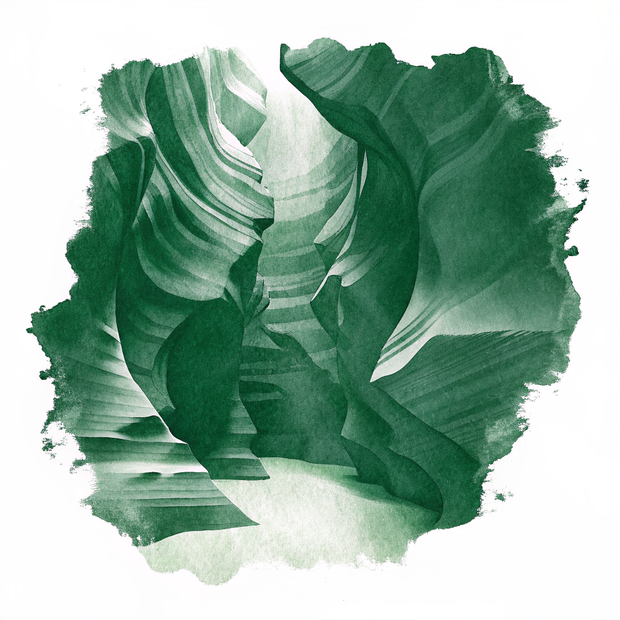
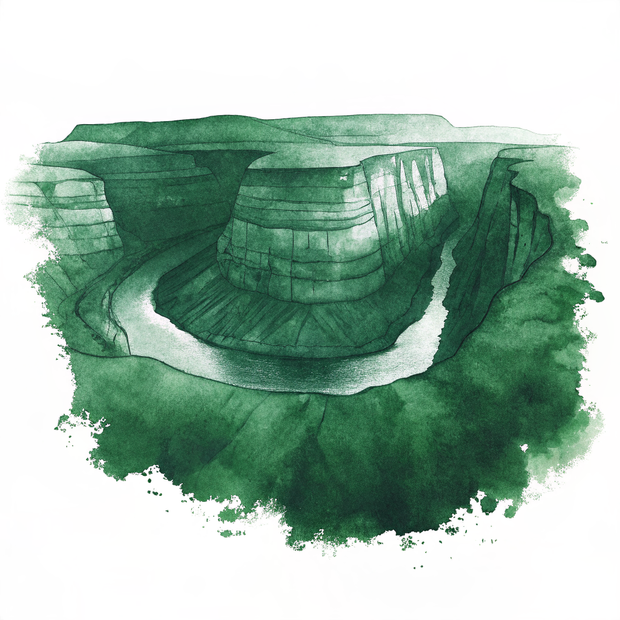
To help you build your own global archive, we've prepared this collection of watercolor studies from our research into Antelope Canyon, Arizona. These artifacts are designed to bring the stillness of this corner of the world into your home.

Original Series Decorative Magnet

A personal study of Antelope Canyon, Arizona, captured in high-fidelity watercolor and prepared for your collection.

Antelope Canyon, Arizona | Slot Canyon Sandstone Waves | Original Series Decorative Magnet
Add to Collection / $18
Exclusive Series Artifact

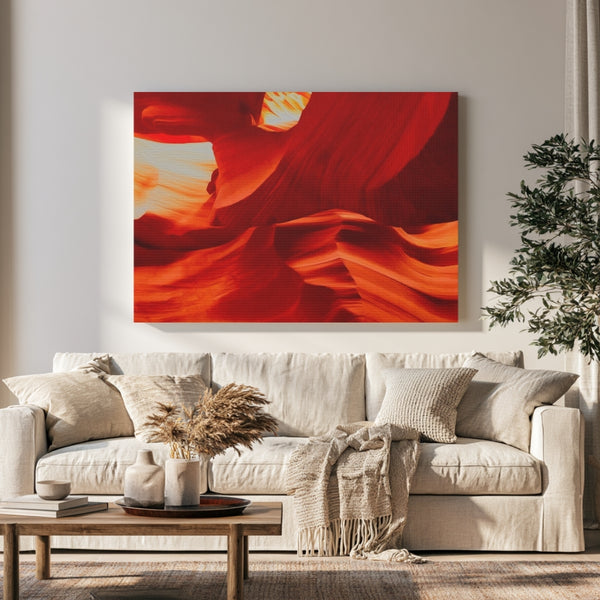
Original Series Gallery Canvas

This high-fidelity canvas is a beautiful way to anchor a room and keep your memories of Antelope Canyon, Arizona fresh long after you've returned home.

Antelope Canyon, Arizona | Slot Canyon Sandstone Waves | Original Series Gallery Canvas detail Antelope Canyon, Arizona | Slot Canyon Sandstone Waves | Original Series Gallery Canvas detail Antelope Canyon, Arizona | Slot Canyon Sandstone Waves | Original Series Gallery Canvas detail Antelope Canyon, Arizona | Slot Canyon Sandstone Waves | Original Series Gallery Canvas detail
Add to Collection / $65

Original Series Hardboard Coaster

A personal study of Antelope Canyon, Arizona, captured in high-fidelity watercolor and prepared for your collection.

Antelope Canyon, Arizona | Slot Canyon Sandstone Waves | Original Series Hardboard Coaster
Add to Collection / $18
Exclusive Series Artifact

The Spirit of the Land

Archival Note: A curated field study of Antelope Canyon, Arizona, prioritizing the specific atmospheric stillness of the region. These artifacts have been meticulously sourced from our global archival partners to represent the area's unique cultural frequency and environmental character. This selection serves as a formal observation for our ongoing global archive, vetted for its visual accuracy and archival merit.

Antelope Canyon, Arizona study No. 01
Antelope Canyon, Arizona / 01 VIA / Ray Bilcliff
Shafts of light cut through the narrow opening of Antelope Canyon, illuminating layers of red and ochre sandstone worn smooth by centuries of wind and water. The canyon walls glow like embers, their flowing striations catching the midday sun in a way that only lasts a few minutes each day. It is the kind of light that stops a person mid-step, the kind that makes the ancient geology feel briefly, quietly alive.
Antelope Canyon, Arizona study No. 02
Antelope Canyon, Arizona / 02 VIA / Pexels User
Standing within the sinuous corridors of Antelope Canyon, a visitor would feel dwarfed by the towering, flame-colored sandstone walls that twist and undulate like frozen waves overhead. The warm Arizona light filters down through the narrow opening, casting a rich amber glow across the sculpted rock and creating a sense of sacred, almost otherworldly beauty. The contrast between the deep terracotta shadows and the brilliant slash of turquoise sky above amplifies the feeling of being held within something ancient and alive.
Antelope Canyon, Arizona study No. 03
Antelope Canyon, Arizona / 03 VIA / Ray Bilcliff
The sandstone walls of Antelope Canyon curve like frozen silk, their layered striations carved by centuries of flash flooding and wind erosion. A single star of sunlight pierces a narrow gap between the canyon walls, casting a warm glow that transforms the rock into liquid gold. What many overlook is the subtle shift from deep crimson at the top to burnished amber below — a color gradient sculpted entirely by the angle of reflected light.

Where to wander

Archival Note: A curated field study of Antelope Canyon, Arizona, prioritizing cultural relevance and archival merit. While we haven't touched down here yet, we've meticulously vetted these locations through our global network of contributors to ensure they represent the most authentic atmosphere for your own expedition.

Local Cuisine Spotlight
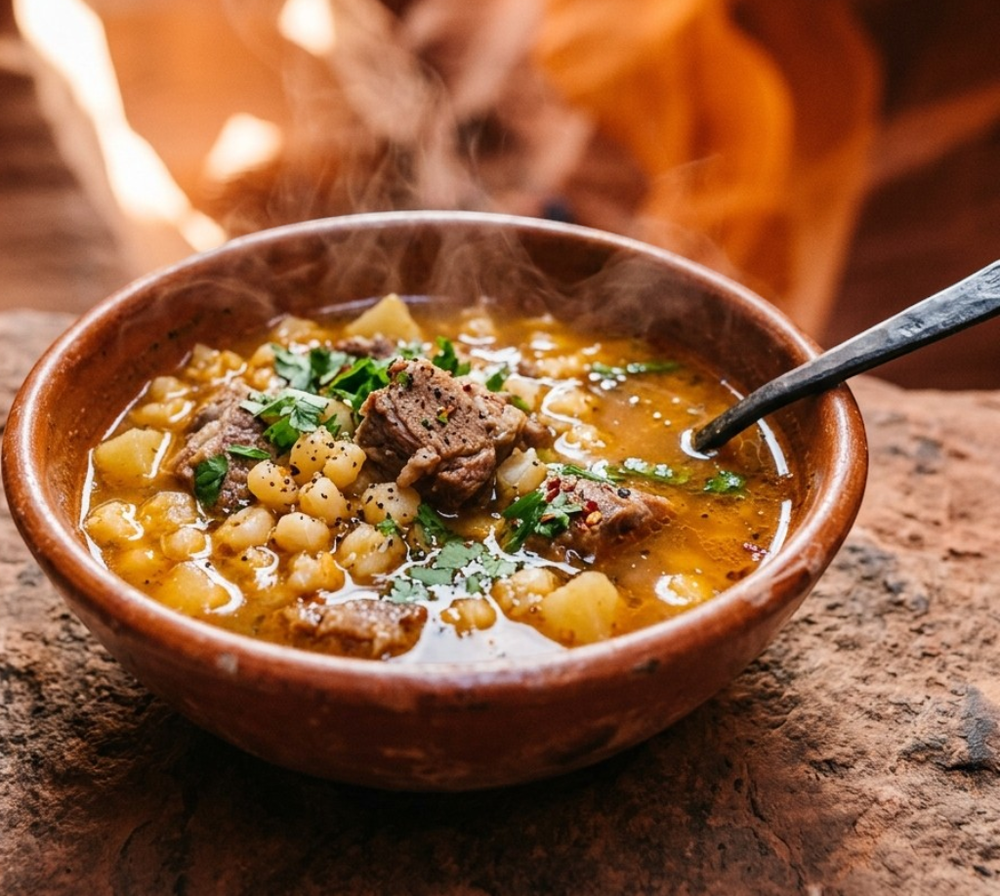
This hearty Navajo-inspired lamb and hominy stew simmers with golden broth, tender meat, and soft hominy, topped with fresh cilantro. Served fireside in a hand-thrown clay bowl at Antelope Canyon, every spoonful carries the warmth of tradition and the rugged beauty of the Southwest.
Credits: THE PAINTED PASSPORT
Local cuisine study in Antelope Canyon, Arizona

☕︎ Local Flavor

Fiesta Mexicana Restaurant

Rating: 4* | Price: $$ | Coordinates: 36.9147° N, 111.4562° W

A beloved local institution in Page, Fiesta Mexicana serves generous, flavor-packed dishes that hit the spot after a long canyon adventure. The enchiladas and handmade tortillas have earned devoted fans among both locals and returning visitors alike. Bright, festive décor and warm service make every meal feel like a small celebration.

View Entry Details

Big Lake Trading Post Grill

Rating: 4* | Price: $ | Coordinates: 36.9180° N, 111.4590° W

This laid-back, unpretentious spot serves hearty Navajo-inspired dishes including frybread tacos that locals absolutely swear by. It's the kind of place where flavors are honest, portions are enormous, and every bite tells a story rooted in regional culture and tradition. Grab a window seat and watch the desert light shift while you eat.

View Entry Details

Ranch House Grille

Rating: 4* | Price: $$ | Coordinates: 36.9155° N, 111.4544° W

Start your Antelope Canyon morning right with a hearty, satisfying breakfast at Ranch House Grille, Page's favorite morning gathering spot. Fluffy pancakes, perfectly seasoned skillets, and strong coffee fuel hikers and canyon-goers for a full day of exploration. The staff moves quickly and cheerfully even during the busy tourist season rush.

View Entry Details

Strombolli's Restaurant & Pizzeria

Rating: 4* | Price: $$ | Coordinates: 36.9161° N, 111.4558° W

An unexpected but delightful Italian gem in the heart of Page, Strombolli's serves wood-fired pizzas and comforting pasta dishes that earn consistent praise from visitors. After a dusty, sun-soaked day in the slot canyons, a cheesy, satisfying pizza here feels like pure redemption. The relaxed atmosphere and generous pours of wine make it a perfect evening wind-down.

View Entry Details

🛌︎ Boutique Stays

Amangiri Resort

Rating: 5* | Price: $$$$ | Coordinates: 36.9956° N, 111.4783° W

Nestled among sculpted sandstone in Canyon Point, Amangiri is one of the most breathtaking luxury retreats in the American Southwest. Each suite frames sweeping desert views and the pool seemingly floats above ancient rock formations. Waking up here feels like sleeping inside a living landscape painting.

View Entry Details

Lake Powell Resort

Rating: 4* | Price: $$$ | Coordinates: 36.9369° N, 111.4829° W

Perched right on the shores of the stunning Lake Powell, this welcoming resort offers comfortable rooms with gorgeous water and canyon views. It serves as a perfect base for exploring Antelope Canyon, Rainbow Bridge, and the surrounding Navajo lands. The marina adds a lovely sense of adventure to every evening you spend here.

View Entry Details

Courtyard by Marriott Page

Rating: 3* | Price: $$ | Coordinates: 36.9147° N, 111.4555° W

This reliable and comfortable hotel in Page sits just minutes from Antelope Canyon's entrance, making it an ideal launchpad for early morning tours. Rooms are clean, modern, and surprisingly spacious for the price, with friendly staff who genuinely help with tour bookings. The on-site pool is a welcome relief after a warm day in the canyon.

View Entry Details

Dreamkatchers Lake Powell B&B

Rating: 4* | Price: $$ | Coordinates: 36.9203° N, 111.4601° W

This charming bed and breakfast offers a personal, homey alternative to larger hotels in the Page area. Hosts serve a generous homemade breakfast each morning and share local knowledge that no guidebook can replicate. The cozy rooms and genuine hospitality make guests feel like honored family members rather than paying visitors.

View Entry Details

📍︎ Field Study

Upper Antelope Canyon

Rating: 5* | Price: $$ | Coordinates: 36.8619° N, 111.3743° W

Upper Antelope Canyon, known as 'The Crack' by the Navajo, is one of the most photographed slot canyons on Earth and rightfully so. Shafts of golden light pierce the narrow sandstone corridors between late morning and early afternoon, creating an almost otherworldly, spiritual atmosphere inside. Book a Navajo-guided tour well in advance, as this magical place fills up remarkably fast year-round.

View Entry Details

Lower Antelope Canyon

Rating: 5* | Price: $$ | Coordinates: 36.8547° N, 111.3731° W

Known as 'The Corkscrew,' Lower Antelope Canyon rewards adventurous visitors with narrower passages, dramatic spiral formations, and a quieter, more intimate experience than its famous upper sibling. Climbing down ladders into the glowing amber depths feels like descending into the Earth's secret heart. Photography here is incredibly rewarding, with layered rock textures and warm hues at virtually every angle.

View Entry Details

Horseshoe Bend

Rating: 5* | Price: $ | Coordinates: 36.8791° N, 111.5103° W

Just a short drive from Antelope Canyon, Horseshoe Bend offers one of the most jaw-dropping natural panoramas in all of the American Southwest. The Colorado River wraps dramatically around a massive sandstone outcrop in a perfect 270-degree horseshoe curve, visible from a cliff-edge overlook. Arrive at sunrise or golden hour for photographs that will genuinely stop your friends mid-scroll.

View Entry Details

Glen Canyon Dam & Visitor Center

Rating: 4* | Price: $ | Coordinates: 36.9369° N, 111.4840° W

The towering Glen Canyon Dam is an awe-inspiring feat of mid-century engineering and a fascinating counterpoint to the natural wonders surrounding Page. The free visitor center tells the compelling, sometimes controversial story of how Lake Powell was born and the communities and canyons it forever changed. Guided tours of the dam itself offer breathtaking views down into the canyon and across the shimmering lake above.

View Entry Details

Typography

Archival Note: A formal technical study of Antelope Canyon, Arizona—archiving the coordinates, elevation, and environmental data that define the region. This data serves as a vital record for our ongoing global field study, allowing us to reconstruct the regional atmosphere with archival precision before our physical arrival.

Botanical and pigment specimen study for Antelope Canyon, Arizona Colors of Antelope Canyon, Arizona
Coordinates
36.8619° N, 111.3743° W — Upper Antelope Canyon, Navajo Nation, near Page, Arizona
Historical Epoch
The Navajo Nation has stewarded this land for centuries, and Antelope Canyon itself was likely first encountered by the wider world in 1931. Today it remains tribal land, accessible only through licensed Navajo-owned tour operators.
Elevation
1,241 m / 4,072 ft - Elevation of the canyon and surrounding plateau near Page, Arizona on the Colorado Plateau
Atmosphere
BWk - Cold Desert Climate. Hot dry summers, cold winters, and very low annual rainfall make this high desert plateau intensely sun-drenched and dramatic in every season.
Observation Hour
11:00 - Between late spring and midsummer, the midday sun drops light beams directly into Upper Antelope Canyon for roughly 20 minutes on either side of noon, turning the chamber into a cathedral of molten gold.
Primary Pigment
Burnt Sienna (#8B4513) and Canyon Amber (#E07B39)
Best Time to Visit
March through May - mild temperatures, manageable crowds, and excellent light angles inside both canyon sections before summer heat peaks.
Avoid Visiting
July through August - extreme heat above 38C, intense monsoon flash flood risk, and peak tourist congestion make conditions genuinely uncomfortable.

The Local Tongue

Language is the invisible architecture of Antelope Canyon, Arizona. These entries document the regional vocabulary—capturing the "texture" of local speech that standard translations often miss. Hand-curated expressions reflecting the specific spirit and daily rhythm of the region.
Archival study of English cultural texture

via / Airam Dato-on

Primary Language English
Regional Dialect American English, with Navajo (Dine Bizaad) spoken widely on the surrounding Navajo Nation lands

Tse' bighanilini

Tse' bighanilini means 'the place where water runs through rocks,' and it is the Navajo name for Upper Antelope Canyon. Visitors who learn the name before entering often describe a shift in how they perceive the walls, hearing the ancient force of rushing water in every smooth curve of stone.

Dine

Dine translates to 'the People' and is the name the Navajo use to refer to themselves, rooted in a worldview that places human beings in respectful relationship with the land. Guides who share this word on canyon tours often pause at a particular bend in the slot where the walls glow deepest orange, letting the silence make the point that language alone cannot.

Hozho

Hozho is a Navajo philosophical concept meaning beauty, balance, and harmony all woven into a single breath of a word. It surfaces in ceremony, in daily life, and in the way canyon guides speak about the interplay of light and stone, as if the canyon itself is the most complete expression of hozho that the landscape can offer.

Wait! before you go...

Before you head over to Antelope Canyon, Arizona, we’ve audited the essential data points for this corner of the world. These notes cover the logistics—from currency ratios to transit hubs—to help you navigate the landscape with clarity.
🚲 Getting Around The nearest commercial airport is Page Municipal Airport, though most visitors fly into Las Vegas or Phoenix and drive several hours through the desert. Car rental is essential, as there is no public transportation connecting Page or the canyon to major cities.
⚖️ Cash or Card Cards are widely accepted in Page hotels and restaurants, but some Navajo-run canyon tour operators and roadside vendors prefer or require cash. Carrying a reasonable amount of USD in smaller bills smooths transactions considerably and is a courteous gesture on tribal land.
☁️ Good to Know All canyon tours are guided exclusively by Navajo Nation members, and photography without a licensed guide is not permitted. Visitors are encouraged to listen to their guides, follow instructions without argument, and treat the canyon as the sacred space it has always been for the Dine people.
🏧 ATMs There are a handful of ATMs in Page at local banks and the Walmart, though availability can be inconsistent in such a small town. Withdrawing cash before arriving from a larger city is a sensible precaution, particularly if visiting multiple canyon sites or purchasing artisan goods directly from Navajo vendors.
💳 Currency The United States Dollar (USD) is the only currency in use here, and prices are straightforward with no tipping confusion beyond the usual American restaurant and guide conventions. Canyon tour tips for Navajo guides are genuinely appreciated and considered a respectful acknowledgment of their expertise and stewardship.
🔌 Plugs Type A and Type B outlets, standard US 120V, 60Hz. No adapter needed for US devices.
🛡️ Safety Flash floods are a serious and genuine risk inside slot canyons, even when skies overhead appear clear, because storms many miles away can send walls of water through the narrows in minutes. Tour operators monitor weather conditions and will cancel or evacuate tours without hesitation, and travellers should trust those decisions completely.
✈️ Airports Page Municipal Airport (PGA) handles small charter and regional flights, making it convenient but limited in connections. Most travellers fly into Las Vegas Harry Reid International (LAS) or Phoenix Sky Harbor (PHX) and drive three to four hours through some of the most cinematic highway scenery in the American West.

Behind The Scenes

Nathan

Note from the Founder

Hey, did you know this fun fact about Antelope Canyon, Arizona? Antelope Canyon receives over one million visitors per year yet remains Navajo Nation land. Every tour fee goes directly to Navajo-owned companies, making tourism here one of the more direct forms of economic support for an Indigenous community.
Thank you for exploring the Antelope Canyon, Arizona series with us. We hope these notes have inspired you to add this incredible destination to your own passport—we are so glad you're here. — Nathan

Some of our Favorites