The Agra Collection

Taj Mahal Reflecting Pool, Agra canvas
No. 1

Taj Mahal Reflecting Pool

Daily Serenity From Agra's Reflection

Prints from$29· Canvas from $65

More from IndiaMore of Agra is on its way — until then, explore its neighbours.

Kerala Backwaters Houseboat Cruise, Alleppey canvas
Alleppey

Kerala Backwaters Houseboat Cruise

Daily Escape to Kerala Waters

Prints from$29· Canvas from $65

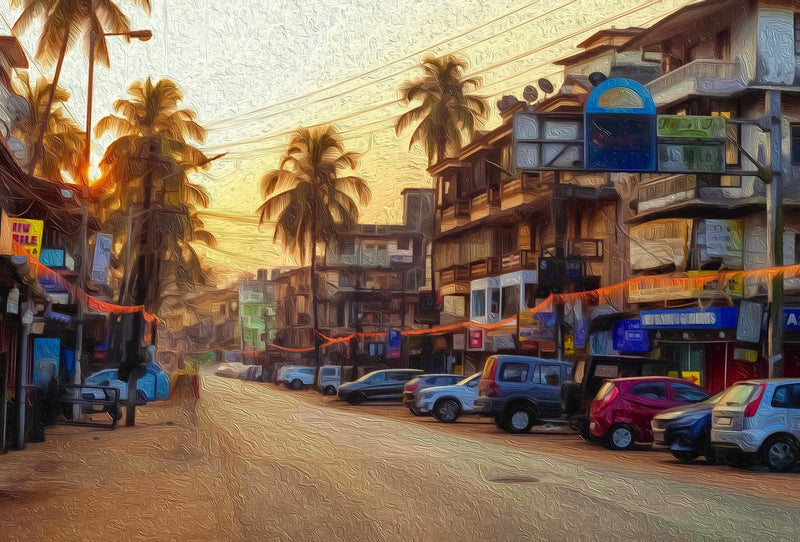
Goa Coastal Market Street, Goa canvas
Goa

Goa Coastal Market Street

Goa's Vibrant Energy Every Day

Prints from$29· Canvas from $65

Lotus Mahal Hampi Ruins, Hampi canvas
Hampi

Lotus Mahal Hampi Ruins

Ancient Hampi Serenity Every Day

Prints from$29· Canvas from $65

Jal Mahal Water Palace, Jaipur canvas
Jaipur

Jal Mahal Water Palace

Daily Serenity From Jaipur's Waters

Prints from$29· Canvas from $65

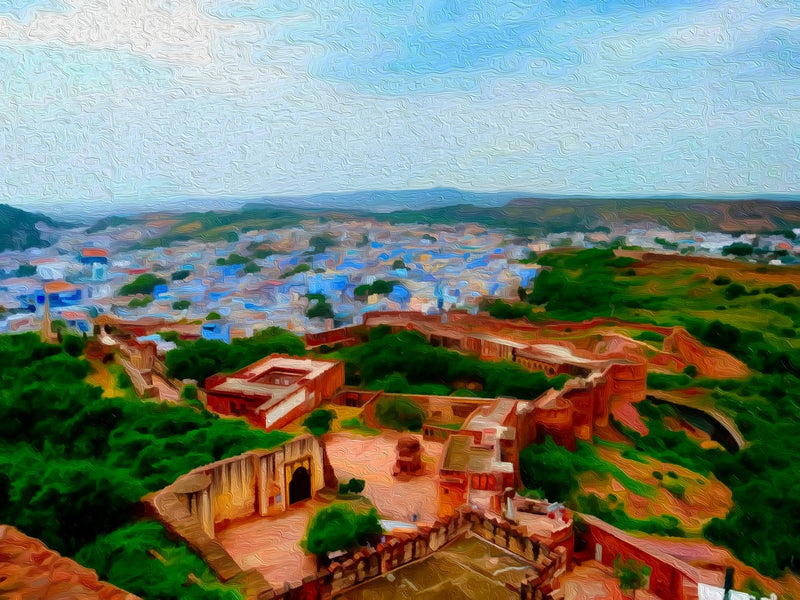
Mehrangarh Fort Aerial View, Jodhpur canvas
Jodhpur

Mehrangarh Fort Aerial View

Jodhpur's Ancient Grandeur, Every Day

Prints from$29· Canvas from $65

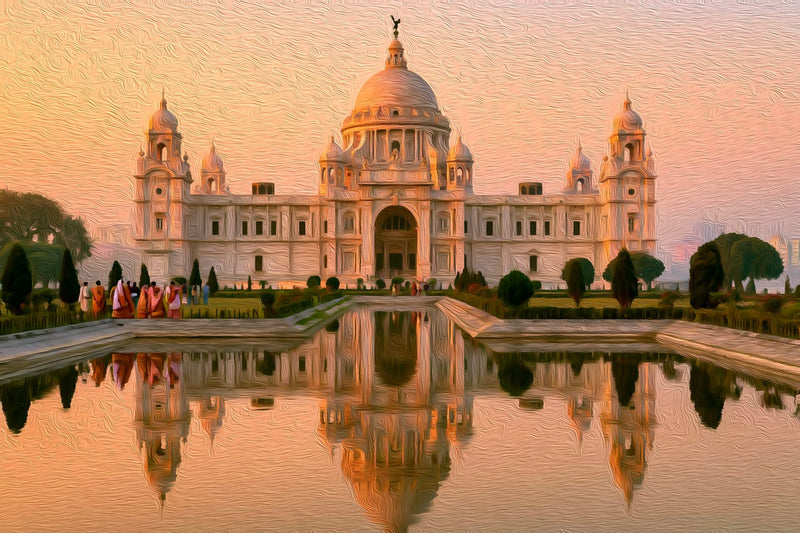
Victoria Memorial at Sunset, Kolkata canvas
Kolkata

Victoria Memorial at Sunset

Kolkata Twilight Serenity Every Day

Prints from$29· Canvas from $65

Explore all of India →

Always adding new places

Missing your favorite spot in Agra, India?

This collection grows every week. Tell me the place, the view, or the corner you'd want on your wall, and I'll add it to the list.

I read every one, and I'll only email you about your request.

In Real Homes

On real walls

Every canvas is printed to order and hung by people like you. Here’s how they look at home.

Keep Exploring

Your Next Stop in India

The Spirit of the Land

Archival Note: A curated field study of Agra, India, prioritizing the specific atmospheric stillness of the region. These artifacts have been meticulously sourced from our global archival partners to represent the area's unique cultural frequency and environmental character. This selection serves as a formal observation for our ongoing global archive, vetted for its visual accuracy and archival merit.

Agra, India study No. 01
Agra, India / 01 VIA / AXP Photography
The midday sun falls hard and even across the red sandstone facade of Jahangir Mahal, pulling out the warm rose and terracotta tones in the ancient walls. A straight stone path cuts through neatly trimmed lawns edged with bright red flowers, drawing the eye toward the ornate central archway. The stillness of the courtyard and the deep blue sky above give the scene a quiet grandeur that feels both monumental and unhurried.
Agra, India study No. 02
Agra, India / 02 VIA / AXP Photography
Standing beneath the carved red sandstone gateway, a visitor would feel the cool morning air and the hush of early light washing over the white marble of the Taj Mahal. The warm terracotta of the arch creates a striking contrast against the luminous, almost ghostly facade of the mausoleum beyond. There is a profound stillness to this moment, the kind that makes the world feel both vast and intimate at once.
Agra, India study No. 03
Agra, India / 03 VIA / AXP Photography
The facade of Itmad-ud-Daulah's tomb in Agra glows with warm amber and ivory tones, its pietra dura stonework rivaling even the Taj Mahal in delicate precision. What most visitors overlook is the lower horizontal panel, where bold geometric chevrons in saffron, charcoal, and rust create an almost modern graphic quality against the classical arabesques above. The latticed jali screens within the arched alcove cast subtle shadow patterns that shift quietly throughout the day, adding a living dimension to the stone.
The Story Behind the Art

The Real Agra

More than a shop, each page is an immersive guide to the real Agra: local tips and tricks, the language you'll hear, where to eat, stay, and explore, the lay of the land, and a fun fact to carry home — every canvas mapped to the very spot it was captured.

Agra, India | Where marble remembers love

Agra sits along the gentle curve of the Yamuna River, a city shaped by the ambitions of Mughal emperors who believed beauty was a form of devotion. The light here arrives differently than anywhere else in India, softening at dawn into a pale apricot that turns the white marble of the Taj Mahal the color of a fading rose. History presses close in Agra, from the sandstone corridors of the Fort to the ghost city of Fatehpur Sikri, where peacocks wander through halls that once housed an empire. It is a place that rewards those who linger, who come back twice in one day to watch the same monument wear an entirely different mood under changing skies.

A watercolor of Agra composes itself, pulling toward the warm ivory and luminous cream of polished marble catching the morning sun, deepened by the rich red-amber of Mughal sandstone that anchors the fort and the old city walls. Shadows fall in cool blue-violet washes wherever the stone meets shade, and the gardens offer bursts of dusty green and saffron that carry the eye across the frame toward the river beyond.

We hope you love getting lost in Agra through the art above — and that one of these canvases finds a home on your wall. Happy travels, from all of us at The Painted Passport.

Where to wander

Archival Note: A curated field study of Agra, India, prioritizing cultural relevance and archival merit. These locations have been meticulously researched and vetted to ensure they represent the most authentic atmosphere for your own expedition.

Local Cuisine Spotlight
Agra's mutton biryani arrives in a weathered copper handi, its golden saffron rice hiding slow-braised meat perfumed with whole spices. Crispy fried onions and cool mint leaves crown every steaming scoop, while a squeeze of lime ties it all together beautifully.
Credits: THE PAINTED PASSPORT
Local cuisine study in Agra, India

☕︎ Local Flavor

Pind Balluchi

Rating: 4* | Price: $$ | Coordinates: 27.1985° N, 78.0148° E

Pind Balluchi delivers hearty Punjabi flavours in a warmly decorated dhaba-style setting that feels both festive and familiar. The dal makhani simmers overnight to a rich, buttery depth that is simply hard to find elsewhere in the city. Tandoori breads arrive piping hot from the clay oven, perfectly charred and impossibly fluffy.

View Entry Details

Esphahan at Oberoi Amarvilas

Rating: 5* | Price: $$$$ | Coordinates: 27.1677° N, 78.0432° E

Dining at Esphahan is a full sensory celebration, with live classical music, candlelight, and views of an illuminated Taj Mahal setting the perfect mood. The menu showcases Mughal-era recipes lovingly reconstructed from historical texts, including an extraordinary lamb raan. Every bite tells a story of imperial kitchens and centuries of refined culinary tradition.

View Entry Details

Dasaprakash

Rating: 4* | Price: $ | Coordinates: 27.1964° N, 78.0041° E

Dasaprakash is a beloved South Indian vegetarian institution that has been feeding Agra families and travellers for decades with consistent, soulful cooking. The masala dosa arrives crispy and golden, stuffed generously with spiced potato and served alongside fresh chutneys that burst with flavour. A refreshing contrast to Mughal-rich cuisine, it is comforting, affordable, and quietly wonderful.

View Entry Details

Mama Chicken Mama Franky

Rating: 4* | Price: $ | Coordinates: 27.1801° N, 78.0211° E

This no-frills local favourite near Taj Ganj draws crowds of hungry travellers who have stumbled upon its legendary chicken franky rolls. Spiced minced chicken wrapped in a soft, pan-toasted flatbread delivers layers of flavour that feel utterly addictive after the first bite. The street-side energy and casual atmosphere make it one of Agra's most genuinely joyful eating experiences.

View Entry Details

🛌︎ Boutique Stays

The Oberoi Amarvilas

Rating: 5* | Price: $$$$ | Coordinates: 27.1677° N, 78.0432° E

Every room at Amarvilas frames a breathtaking view of the Taj Mahal, just 600 metres away. The Mughal-inspired architecture, with fountains and terraced lawns, wraps you in timeless elegance. Waking up to the ivory dome glowing at sunrise is an experience that stays with you forever.

View Entry Details

ITC Mughal Resort & Spa

Rating: 5* | Price: $$$ | Coordinates: 27.1744° N, 78.0081° E

Spread across 35 lush acres, ITC Mughal draws inspiration from the grand Mughal gardens of Agra's imperial past. The Kaya Kalp spa offers deeply restorative Ayurvedic treatments that complement the palace-like surroundings beautifully. Generous rooms, attentive staff, and superb dining make every moment feel like royalty.

View Entry Details

Trident Agra

Rating: 4* | Price: $$$ | Coordinates: 27.1712° N, 78.0098° E

Trident Agra offers refined comfort with a distinctly local warmth that larger luxury hotels sometimes miss. The garden pool area is a serene retreat after a long day exploring Mughal monuments under the sun. Staff go out of their way to personalise your stay, arranging sunrise Taj visits with genuine enthusiasm.

View Entry Details

Crystal Sarovar Premiere

Rating: 4* | Price: $$ | Coordinates: 27.1986° N, 78.0162° E

Crystal Sarovar Premiere delivers polished comfort at a price that leaves room for indulging in Agra's best restaurants. Clean, spacious rooms with contemporary décor provide a relaxing sanctuary after monument-packed days. The rooftop restaurant offers sweeping city views and a surprisingly excellent selection of North Indian dishes.

View Entry Details

📍︎ Field Study

Taj Mahal

Rating: 5* | Price: $ | Coordinates: 27.1751° N, 78.0421° E

No photograph truly prepares you for the overwhelming beauty of the Taj Mahal seen in person, especially at golden-hour sunrise when the marble shifts from pale pink to brilliant white. Built by Emperor Shah Jahan as an eternal testament to love, every carved panel and inlaid gem tells a story of extraordinary devotion. Arriving early rewards you with the quiet magic of near-empty reflecting pools and birdsong filling the air.

View Entry Details

Agra Fort

Rating: 5* | Price: $ | Coordinates: 27.1795° N, 78.0211° E

Agra Fort is a UNESCO World Heritage Site that reveals centuries of Mughal power through its soaring red sandstone walls and exquisite white marble palaces within. Walking through the Diwan-i-Khas, where emperors received noble guests, sparks a vivid imagination of courtly life at its most magnificent. The fort also offers a poignant distant view of the Taj Mahal, where Shah Jahan spent his final years imprisoned and gazing at his masterpiece.

View Entry Details

Fatehpur Sikri

Rating: 5* | Price: $ | Coordinates: 27.0945° N, 77.6604° E

Fatehpur Sikri, just 40 kilometres from Agra, is a perfectly preserved ghost city that Emperor Akbar built and mysteriously abandoned within just 15 years. The Buland Darwaza, one of the tallest gateways in the world, commands a sense of awe that few monuments can rival. Wandering its empty sandstone courtyards at dusk, you feel the extraordinary weight of an empire that once thrived and simply vanished.

View Entry Details

Mehtab Bagh

Rating: 4* | Price: $ | Coordinates: 27.1812° N, 78.0489° E

Mehtab Bagh, the Moonlight Garden situated directly across the Yamuna River from the Taj Mahal, is one of Agra's most underrated and quietly romantic spots. At sunset, the view of the Taj framed through its ancient archways is perhaps even more dramatic than the monument's own entry gates. Fewer crowds and a soft evening light make this the perfect place to sit, breathe, and absorb the full magnificence of Shah Jahan's dream.

View Entry Details

The Dossier

Archival Note: A formal technical study of Agra, India, archiving the coordinates, elevation, and environmental data that define the region. This data serves as a vital record for our ongoing global field study, providing the technical foundation behind every atmospheric detail captured in our visual work.

Botanical and pigment specimen study for Agra, India Colors of Agra, India
Coordinates
27.1767° N, 78.0081° E — City centre, Agra, Uttar Pradesh, India
Historical Epoch
Agra reached its zenith under the Mughal emperors, particularly Akbar, Jahangir, and Shah Jahan, from the 16th to 17th centuries. It served as the imperial capital during the construction of the Taj Mahal, completed in 1653.
Elevation
169-171 m / 554-561 ft - flat Gangetic plain along the Yamuna River
Atmosphere
BSh - Hot Semi-Arid Steppe. Agra runs hot and dry for much of the year, with a brief but intense monsoon from July through September and mild, luminous winters ideal for sightseeing.
Observation Hour
06:15 - Dawn breaks over the Yamuna in pale gold and rose, turning the Taj Mahal to warm ivory before haze builds. Mehtab Bagh offers an unobstructed northern view of this fleeting color shift. Max 220 chars.
Primary Pigment
Mughal Marble (#EDE0CC) and Yamuna Dusk (#C4724A)
Best Time to Visit
October through March - cool dry air, clear skies, and comfortable temperatures make monument visits genuinely pleasant.
Avoid Visiting
June through August - peak heat before monsoon and heavy rains reduce visibility and make outdoor exploration exhausting.

The Local Tongue


Language is the invisible architecture of Agra, India. These entries document the regional vocabulary—capturing the "texture" of local speech that standard translations often miss. Hand-curated expressions reflecting the specific spirit and daily rhythm of the region.
Archival study of Hindi cultural texture

via / BabijaPhoto JB

Primary Language Hindi
Regional Dialect Braj Bhasha (Khari Boli Hindi dominant in urban Agra)

Tehzeeb (तहज़ीब)

Tehzeeb means refinement, courtesy, and a cultivated grace in the way one moves through the world. In Agra, it surfaces in the patient hospitality of a guesthouse host who brings chai unbidden at exactly the right moment, understanding that welcome is an art form rooted in Mughal courtly tradition.

Jugaad (जुगाड़)

Jugaad refers to a resourceful improvisation, a creative fix that makes something work with whatever is at hand. On the lanes near the Taj Mahal's east gate, it appears in cycle-rickshaw drivers who have rigged makeshift shade canopies from repurposed fabric, keeping passengers cool through the fierce afternoon heat with nothing more than ingenuity.

Noor (नूर)

Noor translates as divine light or radiance, carrying a spiritual luminosity beyond ordinary brightness. At Agra Fort, the word takes on physical form as late-afternoon sun filters through carved marble jali screens, scattering intricate geometric light across the floor of the Musamman Burj, the tower where Shah Jahan spent his final years gazing toward the Taj.

Wait! before you go...

Before you head over to Agra, India, we’ve audited the essential data points for this corner of the world. These notes cover the logistics—from currency ratios to transit hubs—to help you navigate the landscape with clarity.
🚲 Getting Around Auto-rickshaws and cycle-rickshaws are the most practical way to navigate Agra's inner lanes and approach the monument gates, where larger vehicles are restricted. Pre-negotiating fares or using app-based services like Ola significantly reduces friction for first-time visitors.
⚖️ Cash or Card Cash remains king for street food, local rickshaws, market stalls, and smaller guesthouses throughout Agra. Upscale hotels and restaurant chains accept cards reliably, but carrying a supply of smaller rupee notes ensures smooth transactions at most everyday touchpoints.
☁️ Good to Know Touts near the Taj Mahal's entry zones are persistent and well-practiced, often posing as official guides or claiming the monument is closed before steering visitors toward shops. Booking official Archaeological Survey of India guides in advance and walking purposefully past the outer lanes saves considerable time and energy.
🏧 ATMs ATMs are widely available near the main tourist corridors, inside shopping centres, and attached to major bank branches throughout central Agra. HDFC, ICICI, and SBI machines tend to be the most reliable for international cards, and withdrawing during banking hours helps if any card issues need resolving in person.
💳 Currency The Indian Rupee (INR) is the sole currency, and foreign cards may attract transaction fees, so withdrawing a working cash balance early is worthwhile. Small denominations of 10, 20, and 50 rupee notes are especially useful for rickshaws, chai stalls, and market vendors who rarely carry change for larger bills.
🔌 Plugs India uses Type C, D, and M outlets at 230V, 50Hz. A universal travel adapter is recommended, as socket types can vary even within the same hotel.
🛡️ Safety Agra is generally safe for tourists, though solo travelers, particularly women, benefit from staying alert around the monument approach roads after dark and choosing registered accommodation. Keeping a hotel card handy, staying in well-lit areas at night, and using trusted transport apps adds a meaningful layer of comfort.
✈️ Airports Agra's own Pandit Deen Dayal Upadhyay Airport (AGR) handles limited domestic flights, primarily from Delhi and Mumbai, making it convenient when services are running. Most international visitors fly into Indira Gandhi International Airport (DEL) in Delhi and travel to Agra by express train or road, a journey of roughly two to three hours.

Behind The Scenes

Nathan

Note from the Founder

Hey, did you know this fun fact about Agra, India? The Taj Mahal is closed every Friday to the general public for prayers. Entry fees differ for Indian nationals and foreign visitors, and the ticket includes access to Agra Fort on the same day if used within 24 hours.
Thank you for exploring the Agra, India series with us. We hope these notes have inspired you to add this incredible destination to your own passport—we are so glad you're here. Nathan's signature