

The Real Addis Ababa
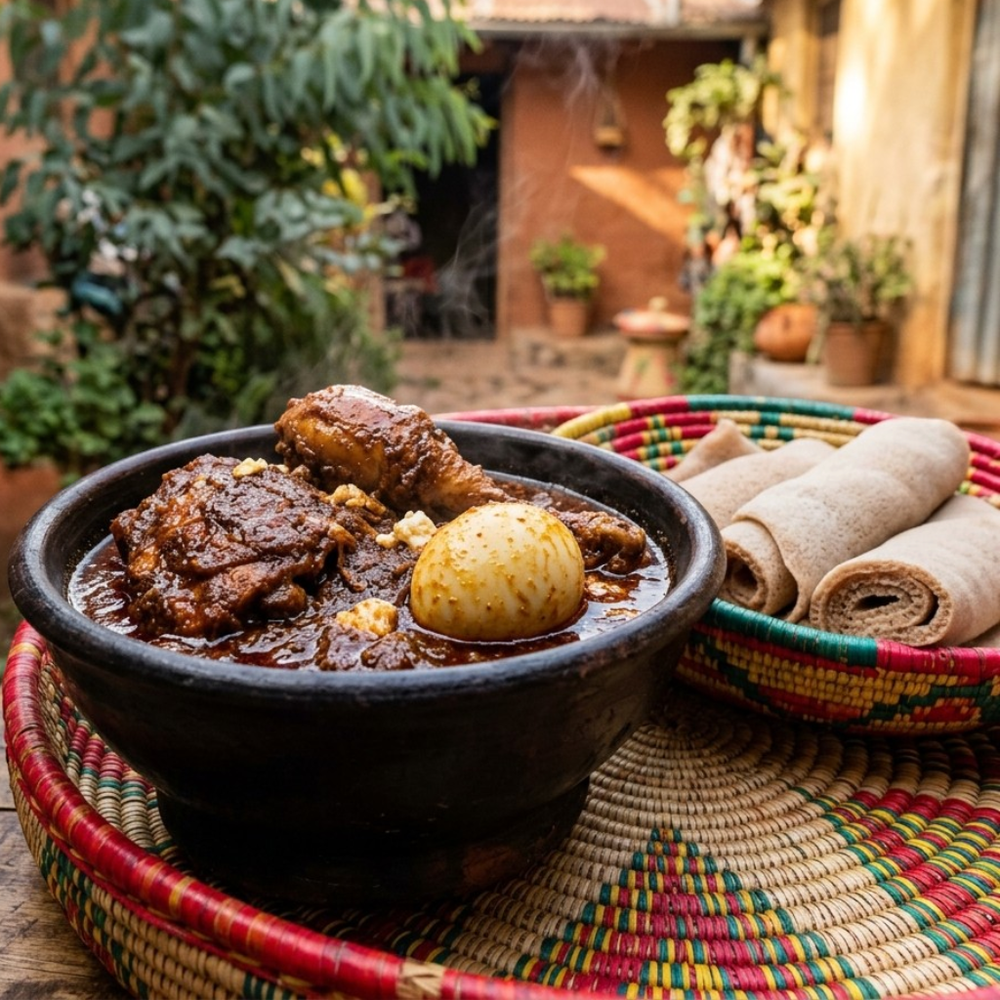
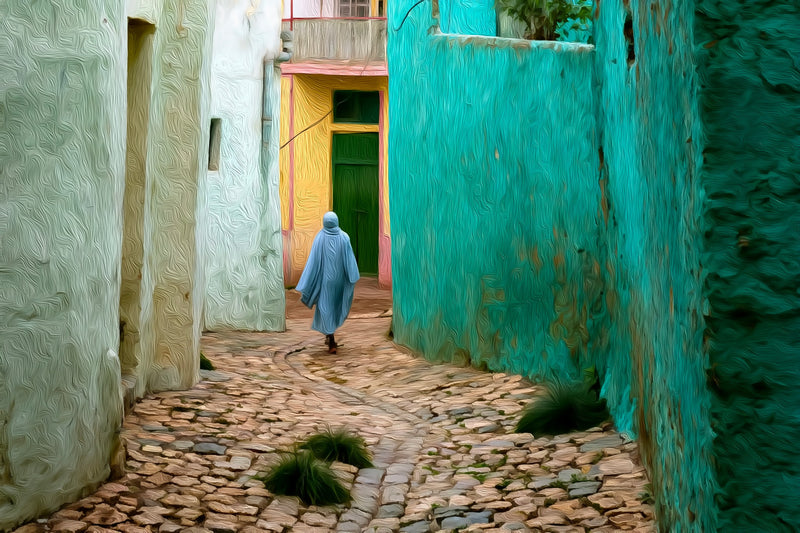
More than a shop, each page is an immersive guide to the real Addis Ababa: local tips and tricks, the language you'll hear, where to eat, stay, and explore, the lay of the land, and a fun fact to carry home — every canvas mapped to the very spot it was captured.
Addis Ababa, Ethiopia | Where the ancient world meets the pulse of a rising continent
Addis Ababa sits at the roof of Africa, a highland capital wrapped in eucalyptus smoke and the sound of church bells echoing across red-earthed hillsides. Founded in 1886 by Emperor Menelik II, the city carries millennia of civilization lightly, blending Orthodox ceremony, pan-African pride, and a coffee culture older than any cafe tradition the world claims to know. The light here is extraordinary, arriving thin and crystalline through altitude-cooled air, turning corrugated iron rooftops gold at dawn and casting long violet shadows across the eucalyptus forests of Entoto by late afternoon. This is a city that has never been colonized, and that fierce, unbroken spirit lives in every market stall, every monastery courtyard, and every cup of freshly roasted buna poured at a sidewalk stand.
The watercolor palette of Addis Ababa draws from the warm ochres of its teff fields, the dusty terracotta of its dry-season roads, and the deep forest greens of its highland eucalyptus groves. Bursts of saffron and amber move through the scenes wherever ceremonial clothing and church gold catch the high-altitude sun, while the thin blue sky overhead holds a clarity that softer, lower cities simply never offer the painter.
We hope you love getting lost in Addis Ababa through the art above — and that one of these canvases finds a home on your wall. Happy travels, from all of us at The Painted Passport.