Shop the Collection

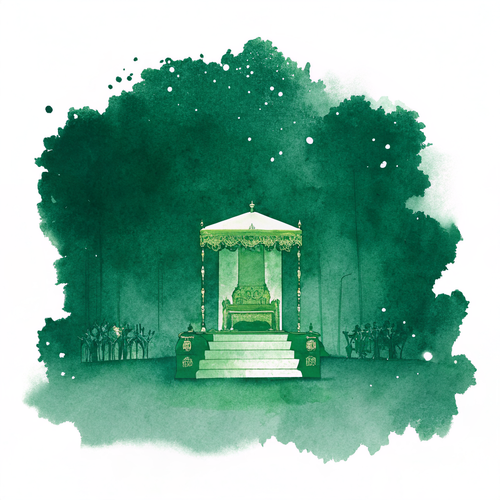
To help you build your own global archive, we've prepared this collection of watercolor studies from our research into Accra, Ghana. These artifacts are designed to bring the stillness of this corner of the world into your home.

Original Series Decorative Magnet

A personal study of Accra, Ghana, captured in high-fidelity watercolor and prepared for your collection.

Accra, Ghana | Original Series Decorative Magnet
Add to Collection / $18
Exclusive Series Artifact

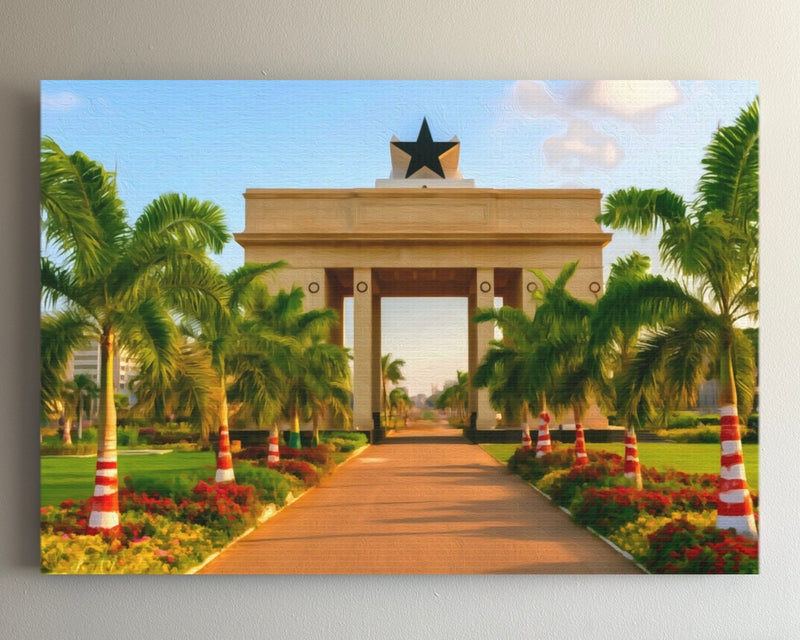
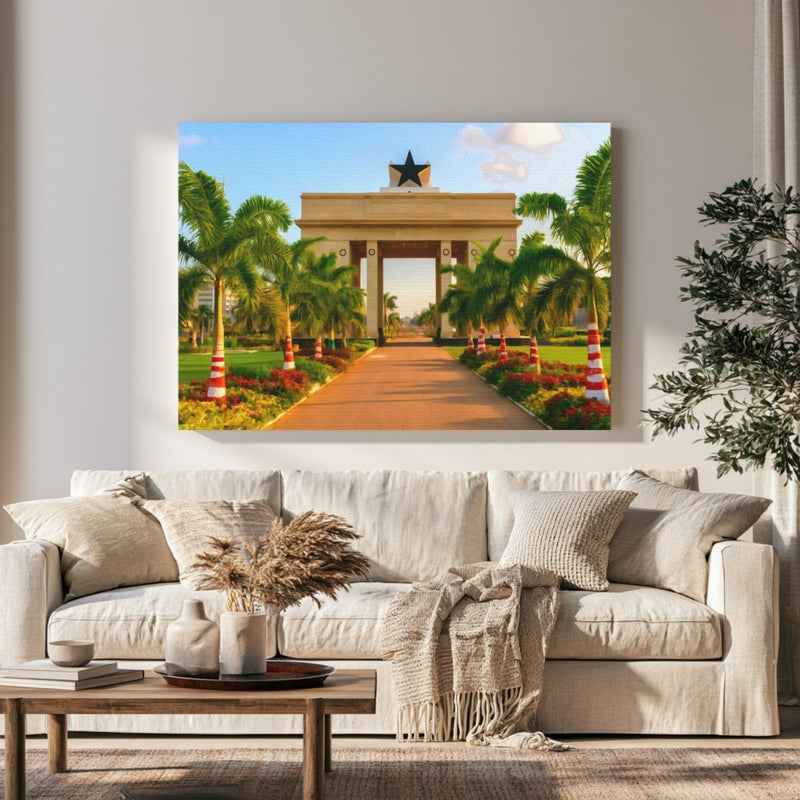
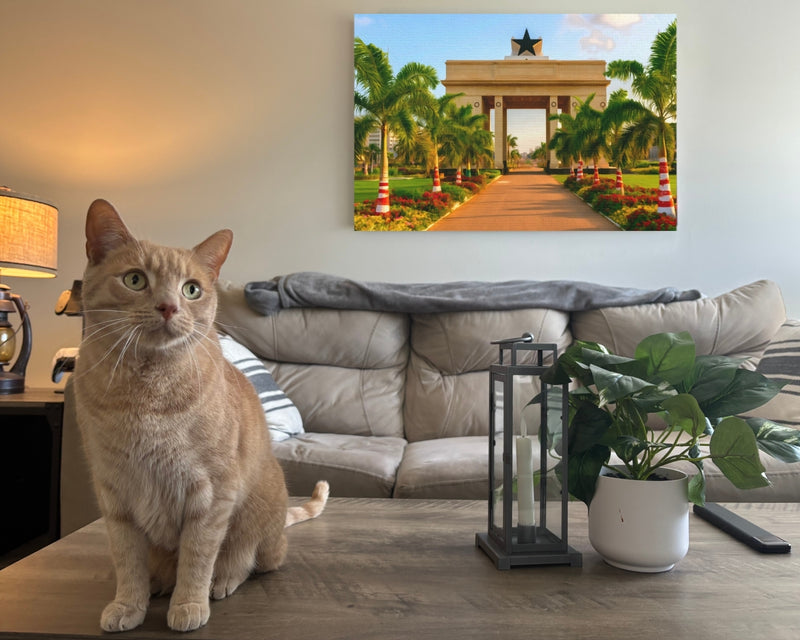
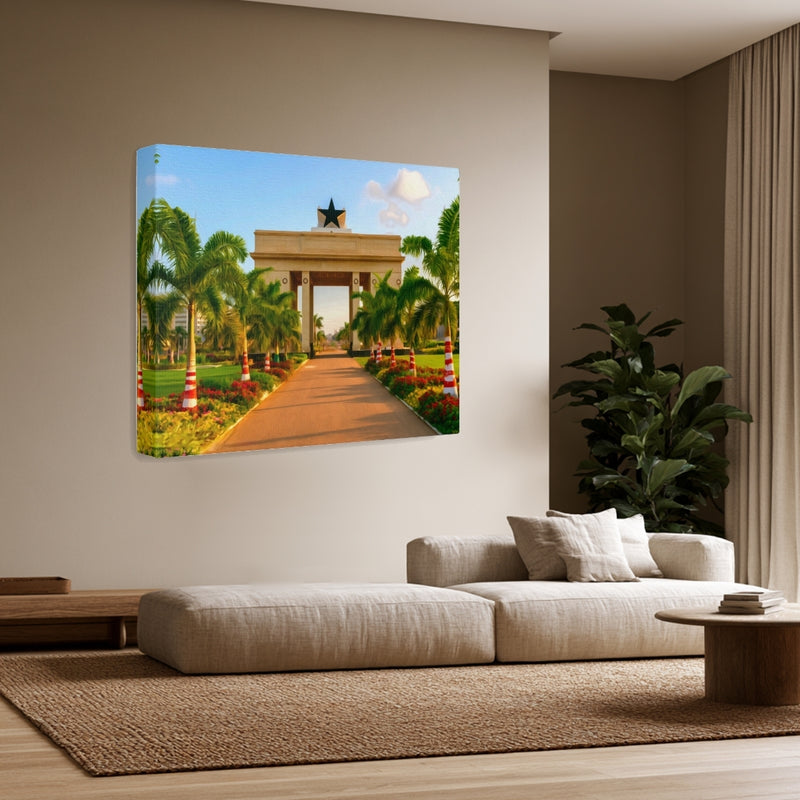
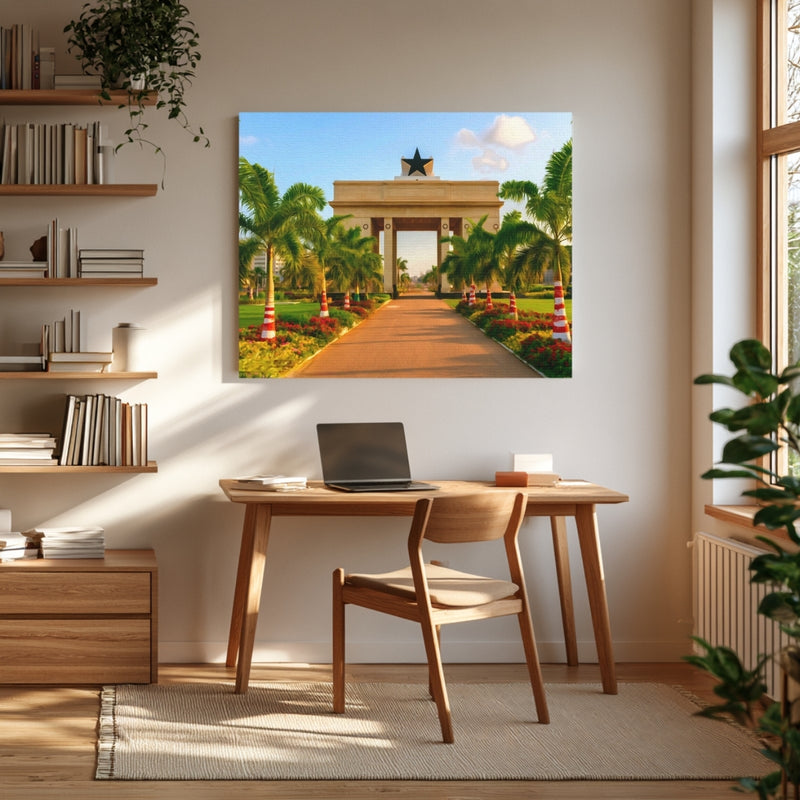
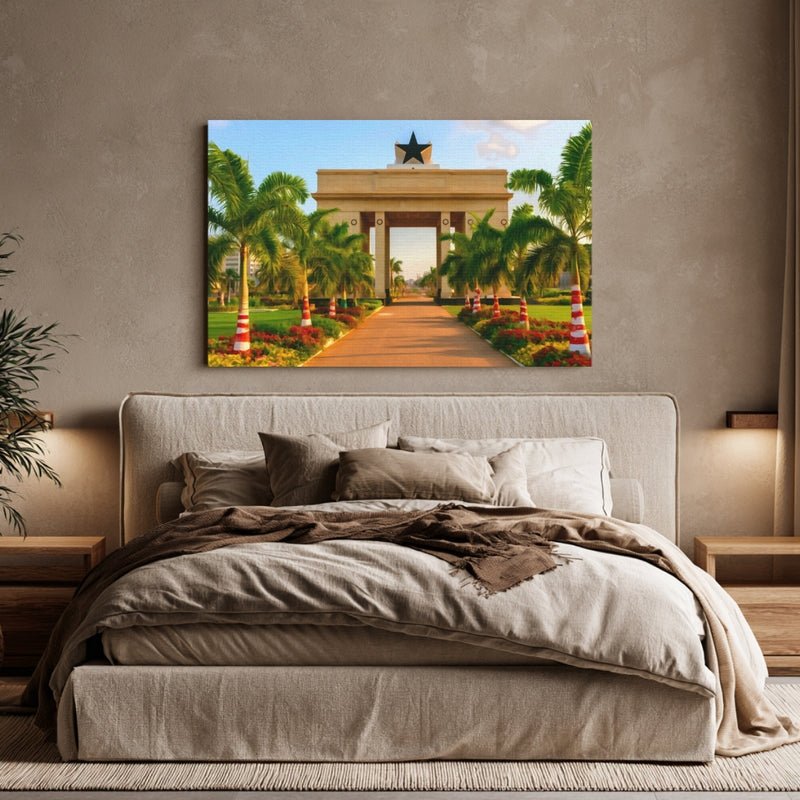
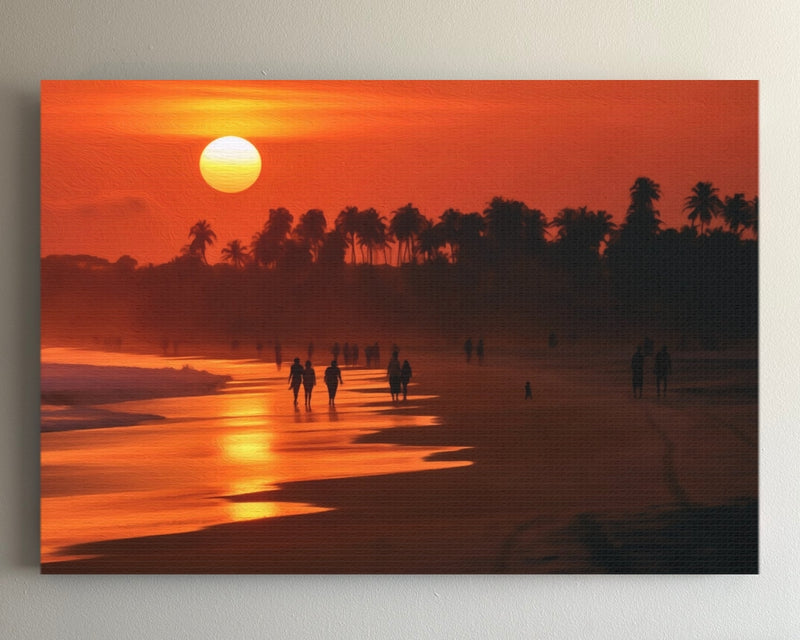
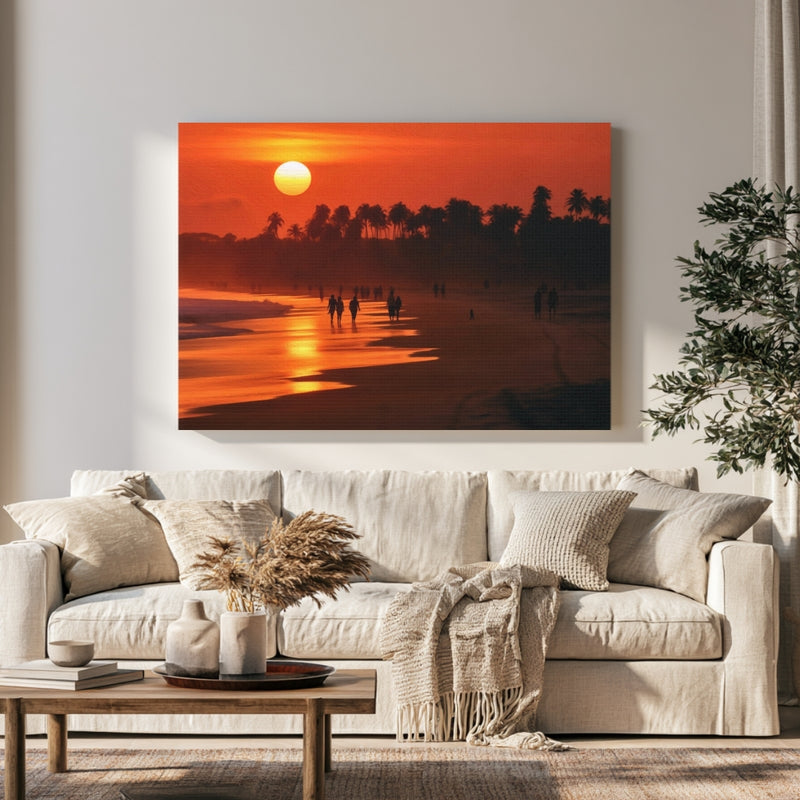
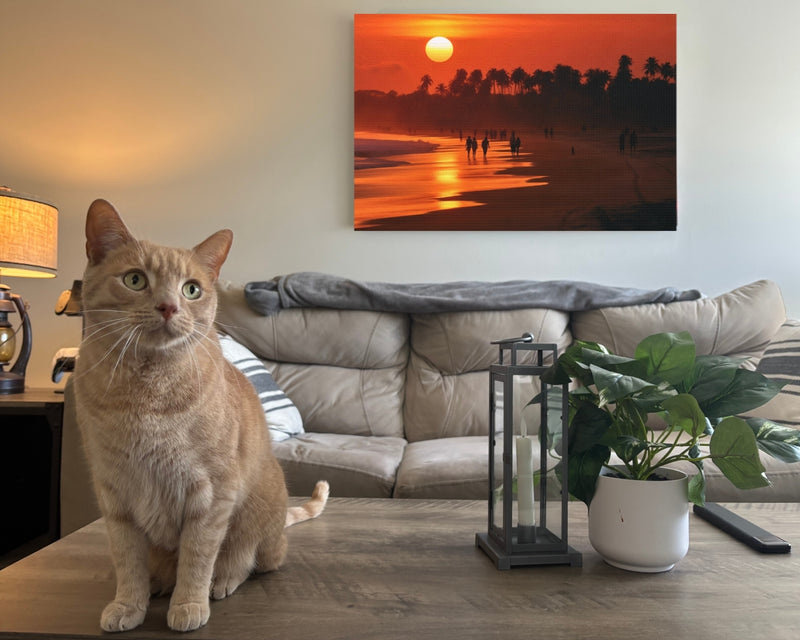
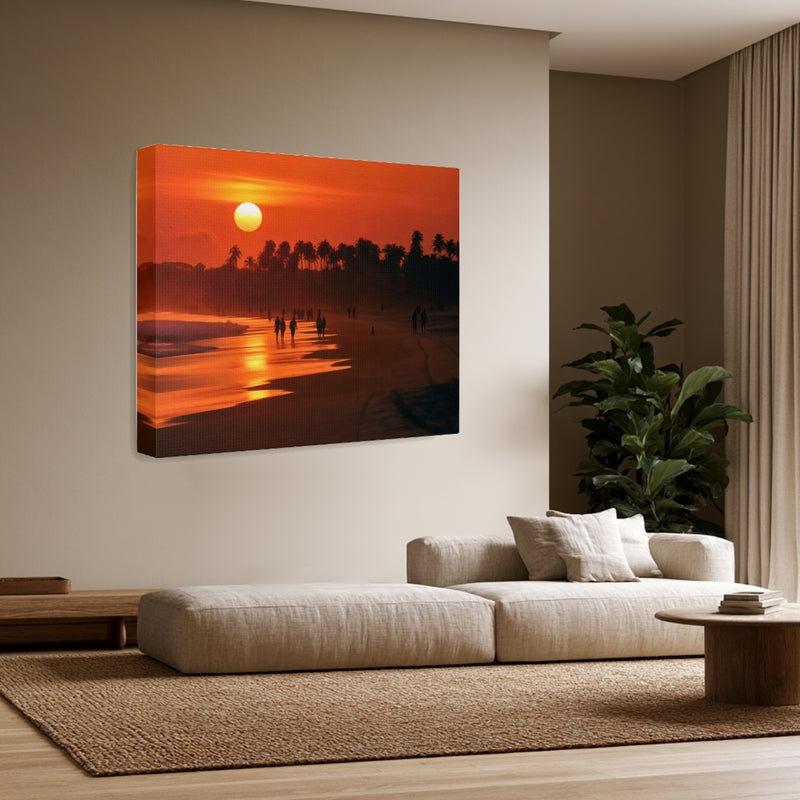
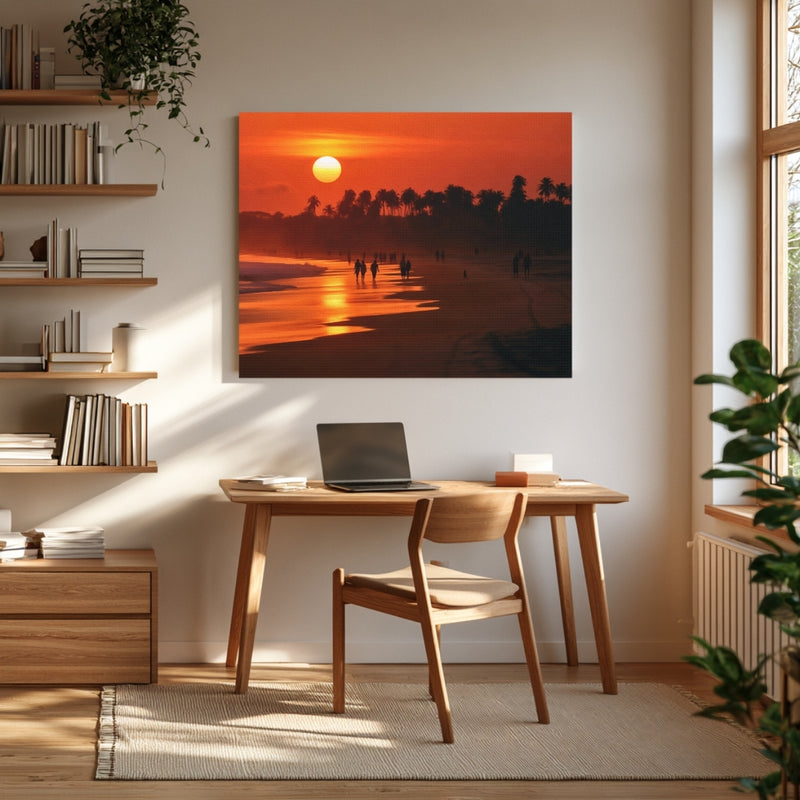
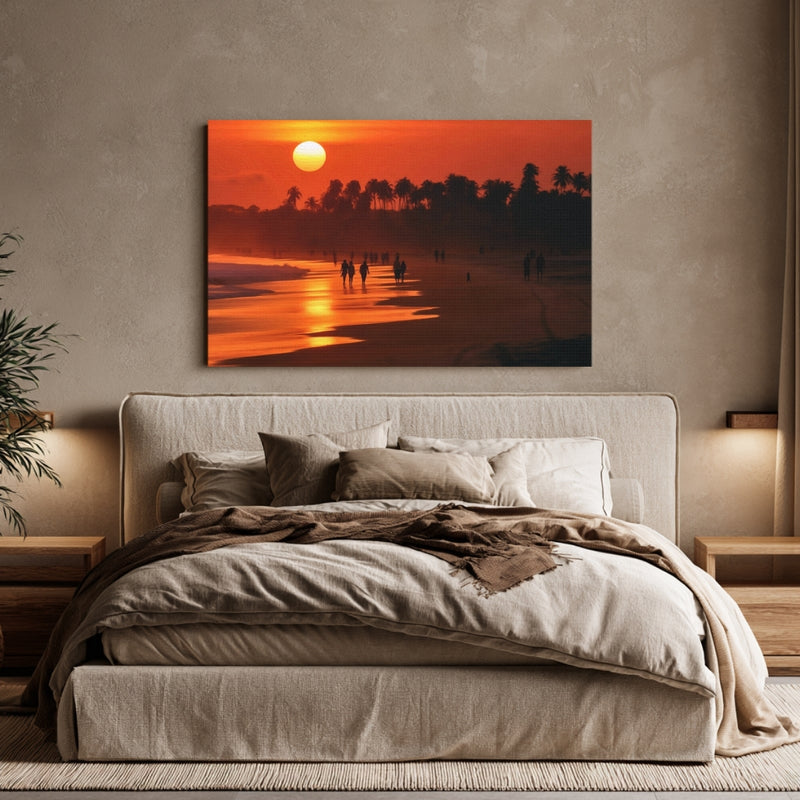
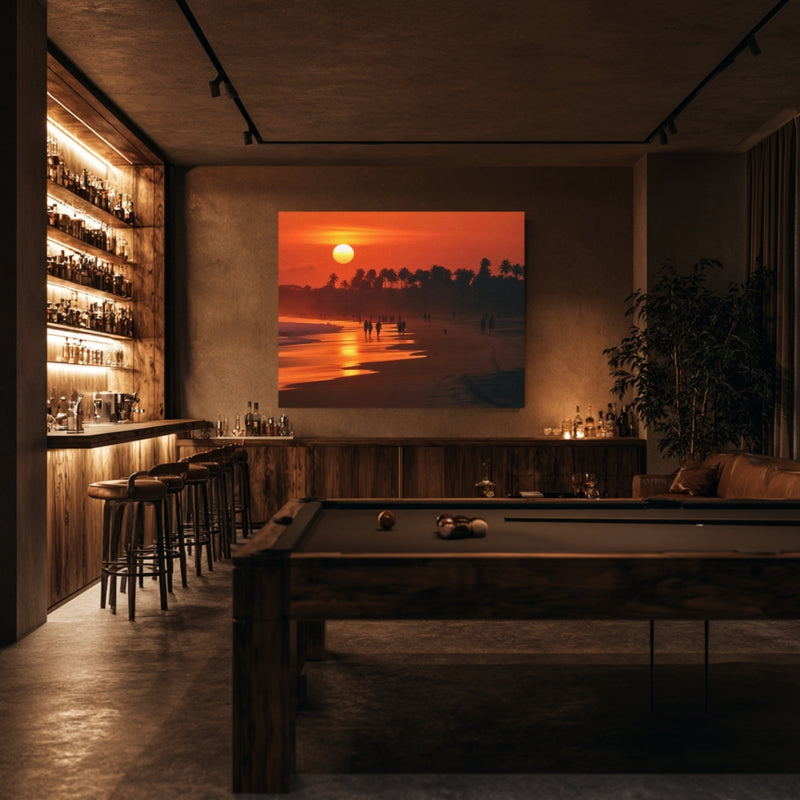
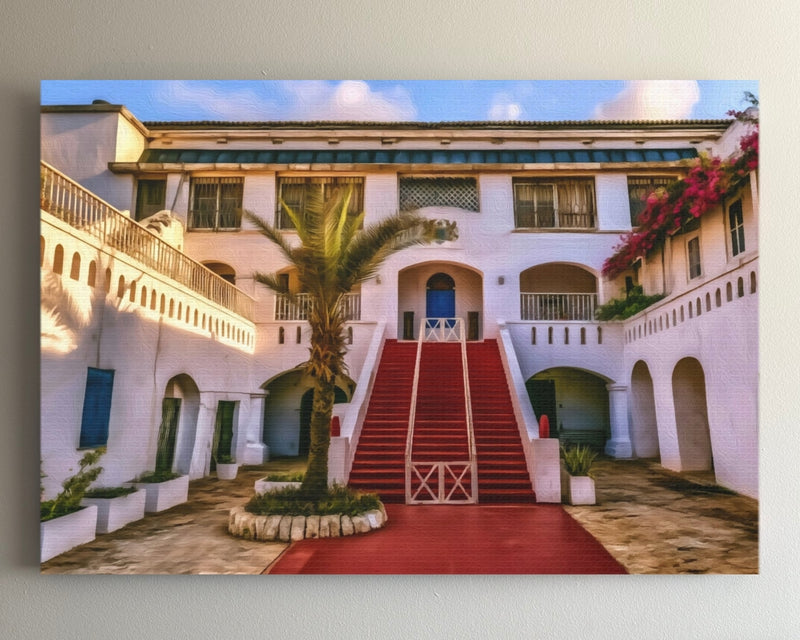
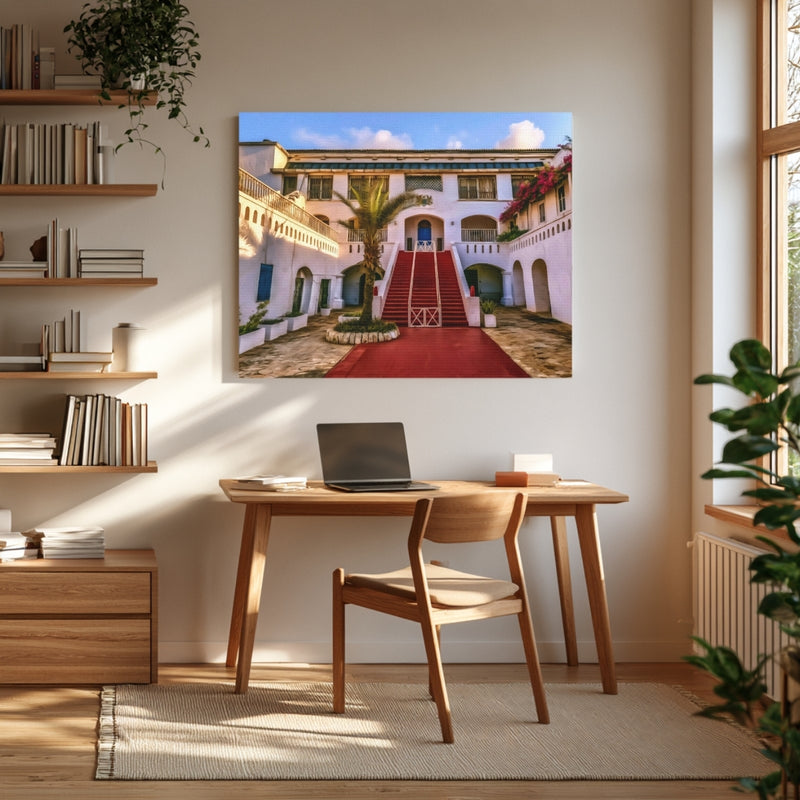
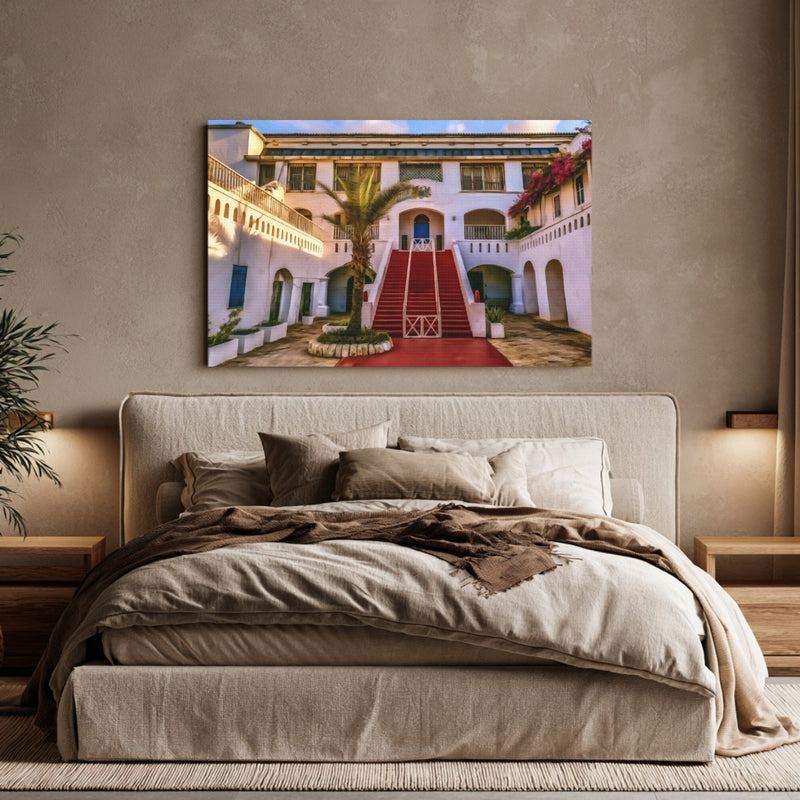
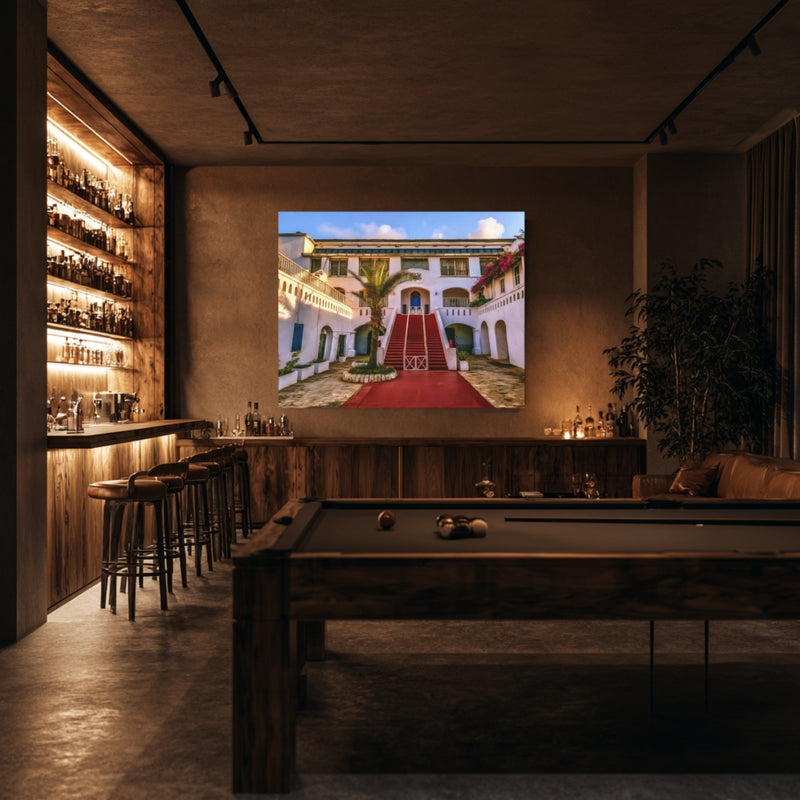
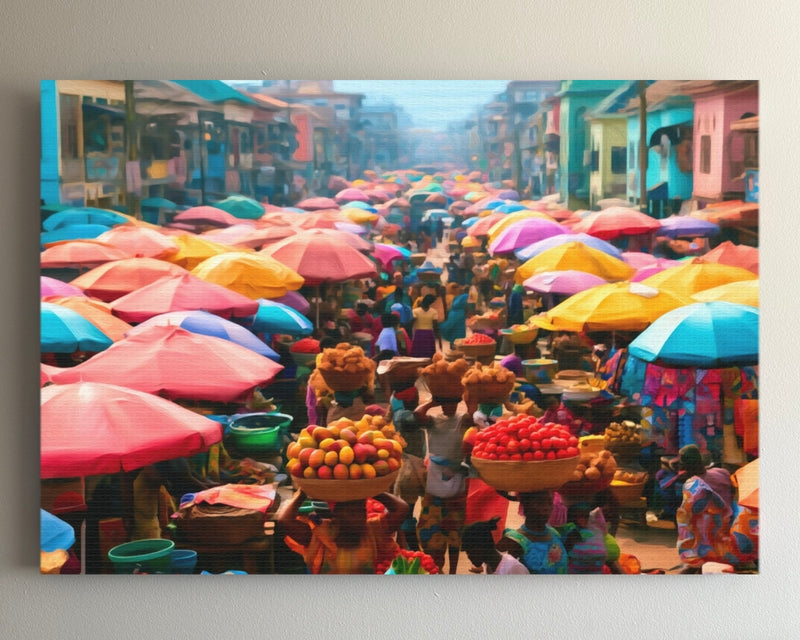
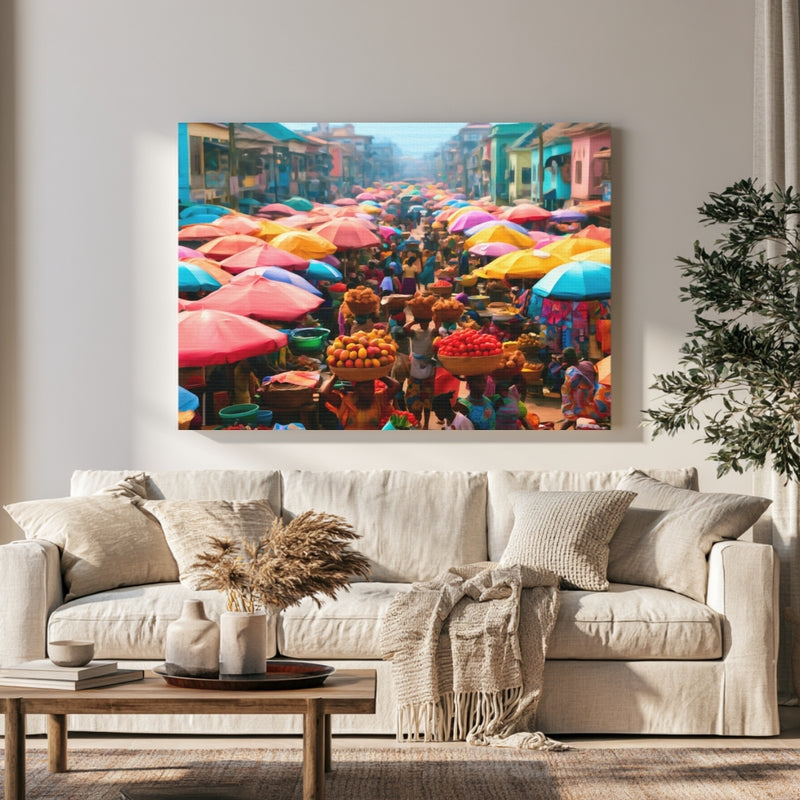
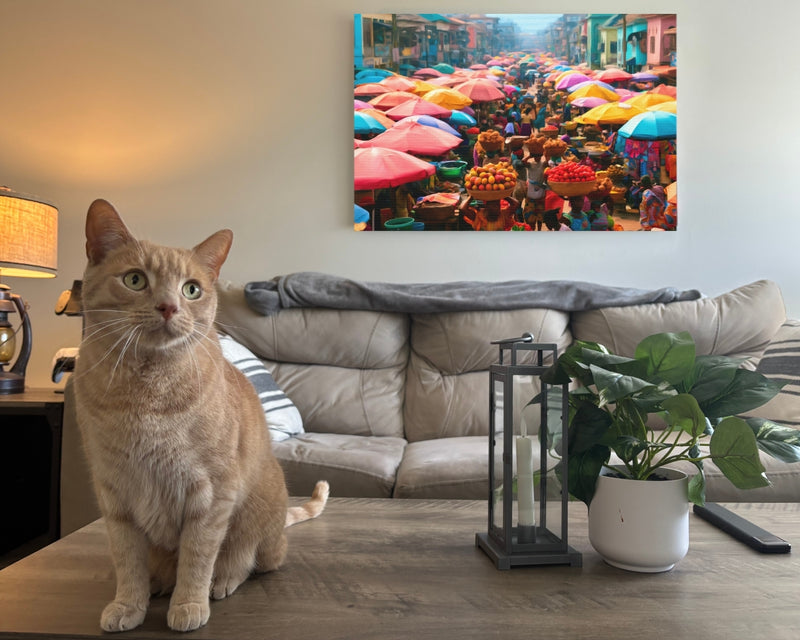
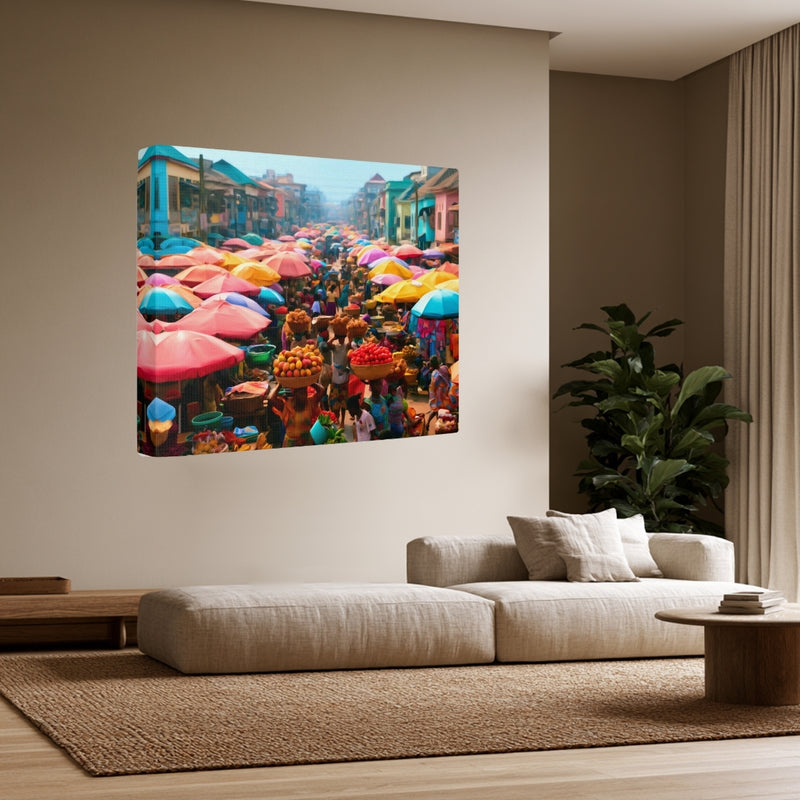
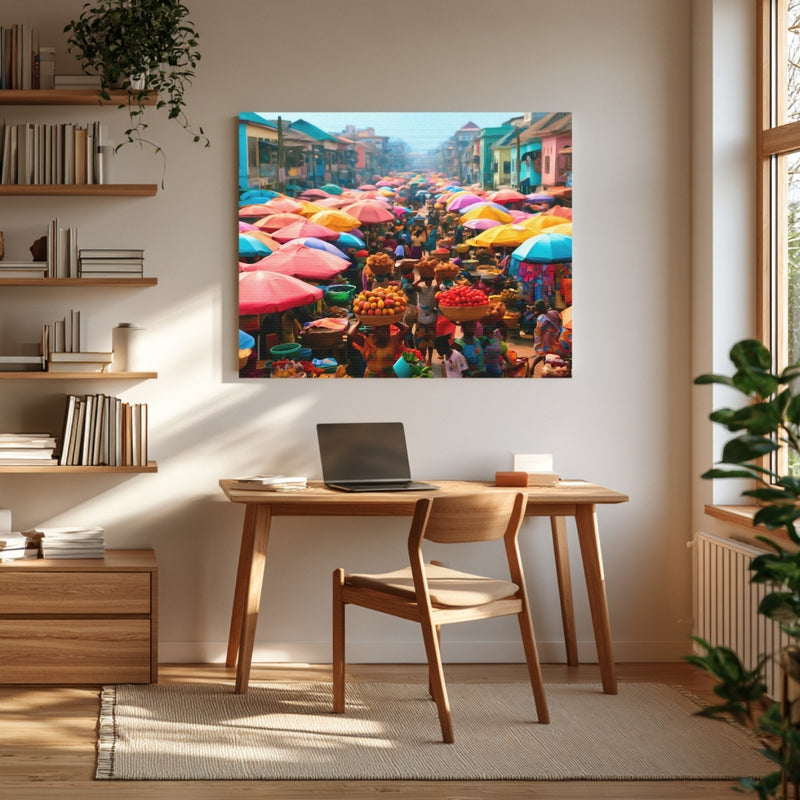
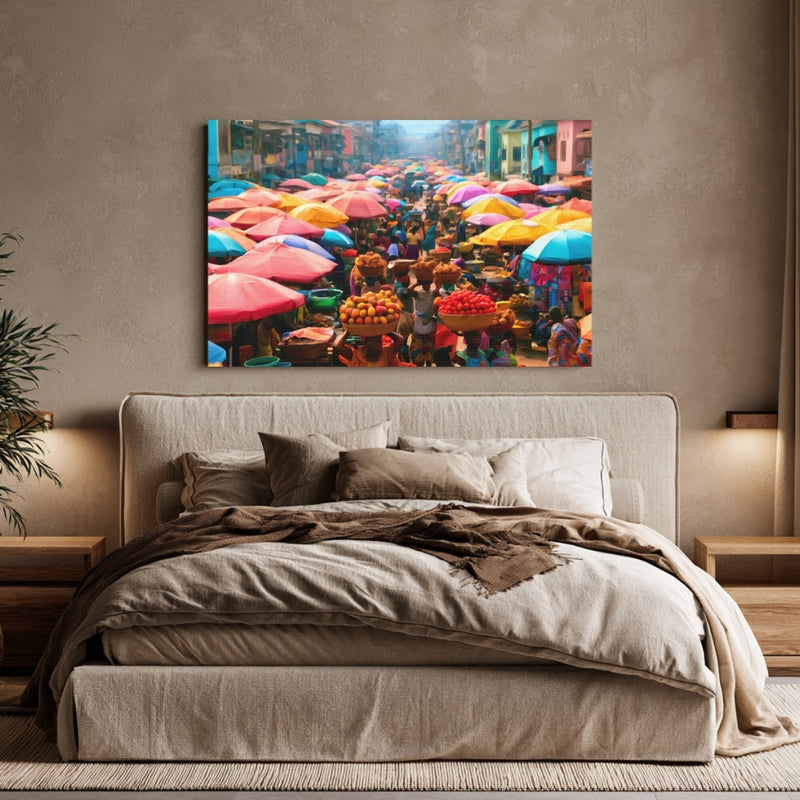
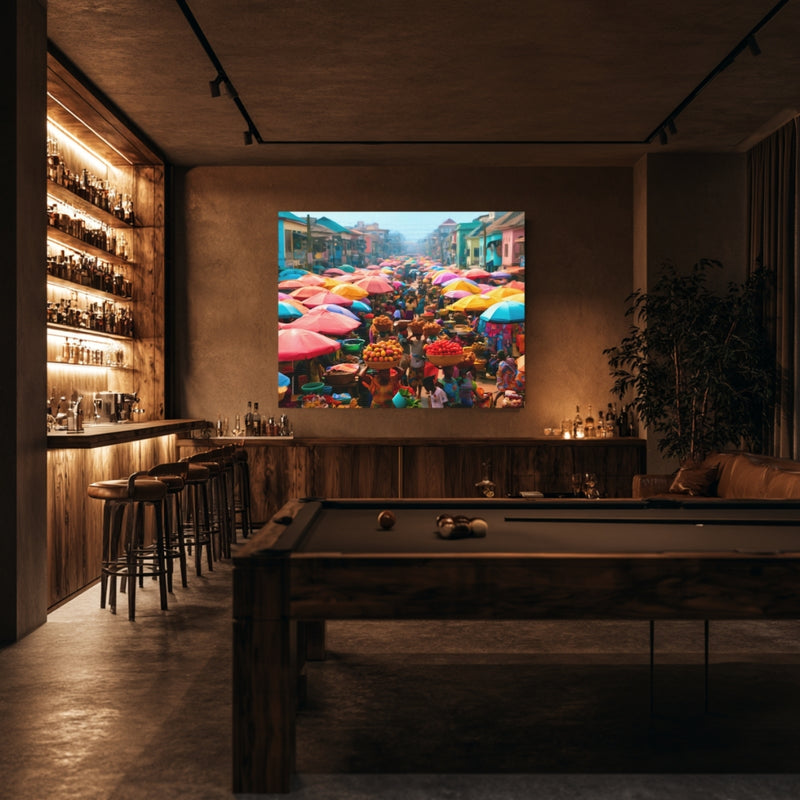
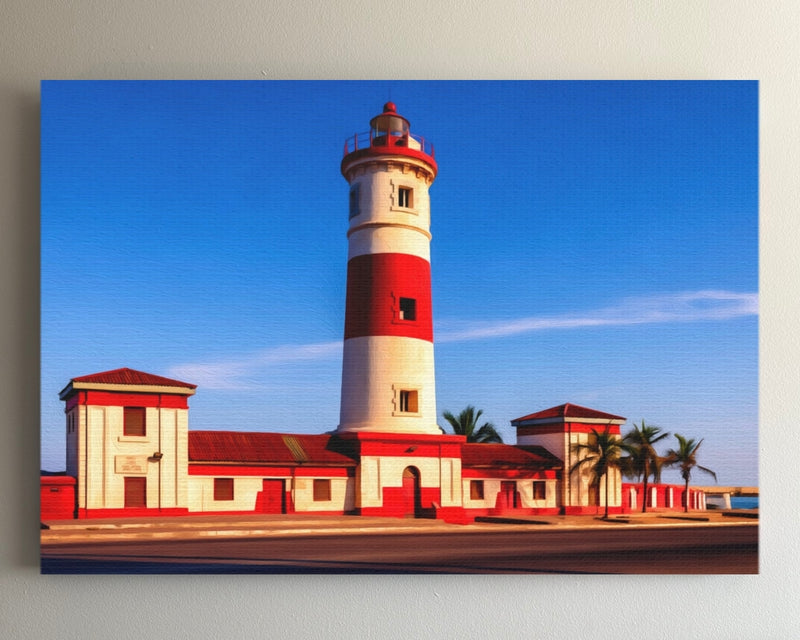
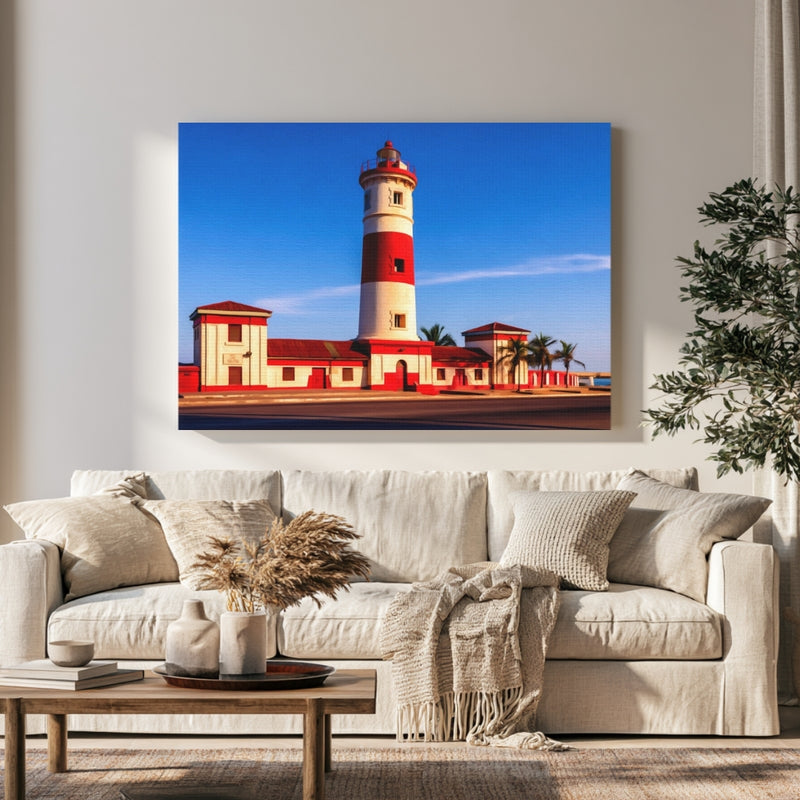
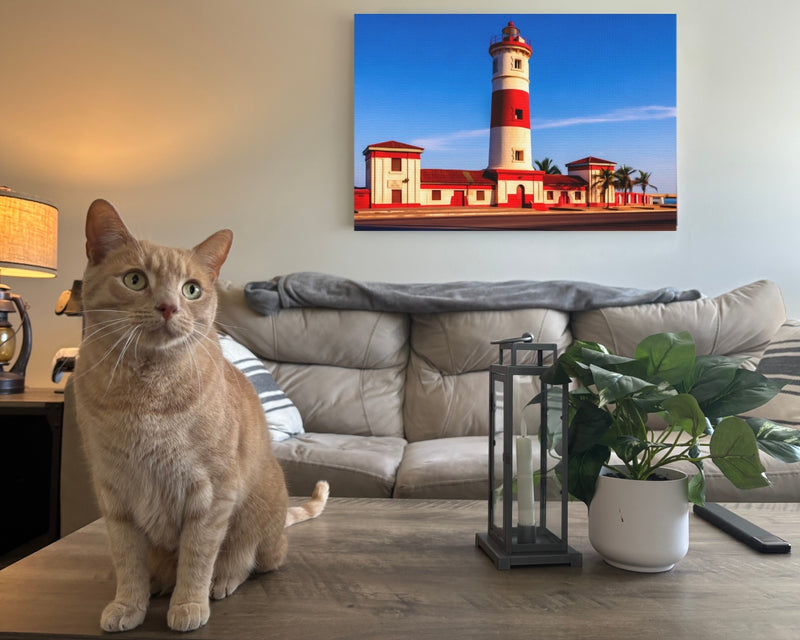
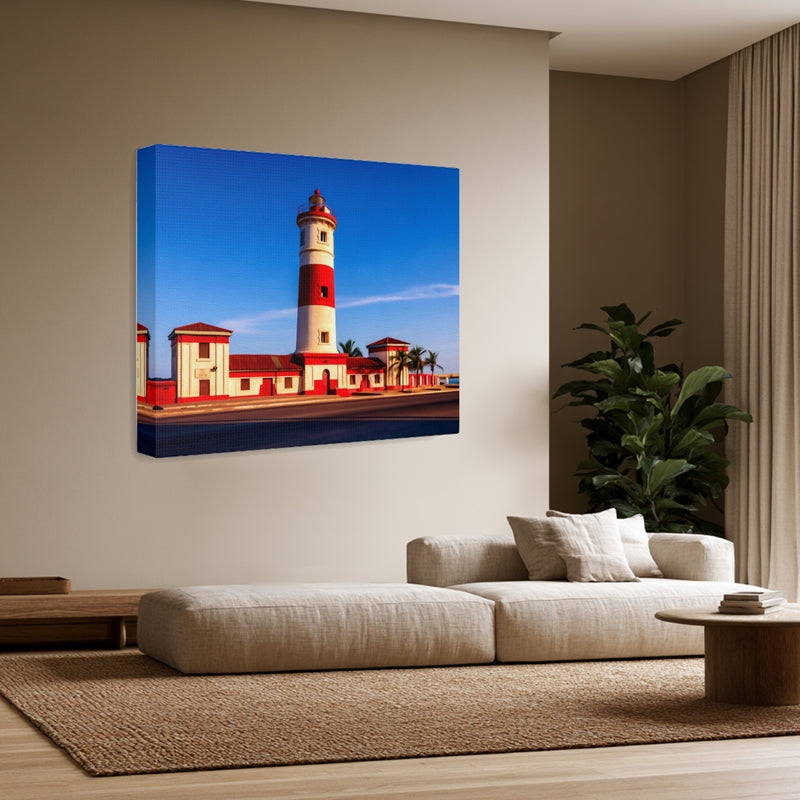
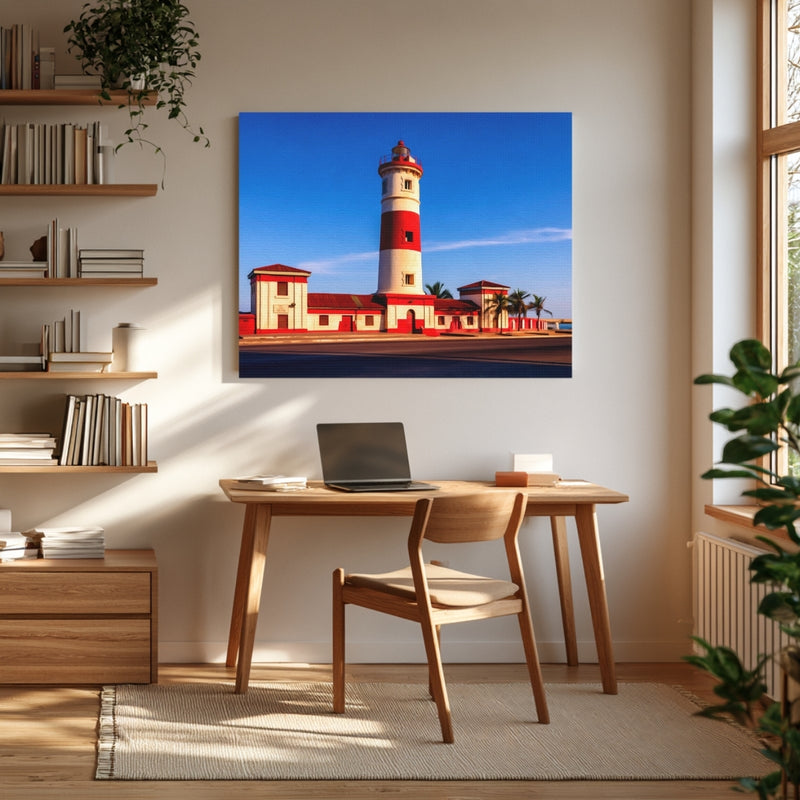
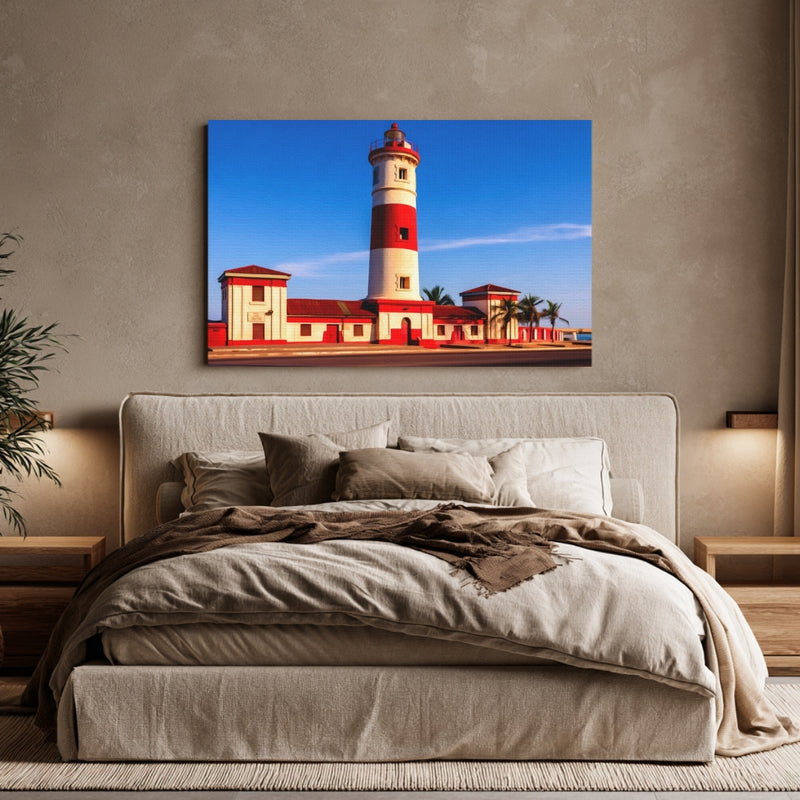
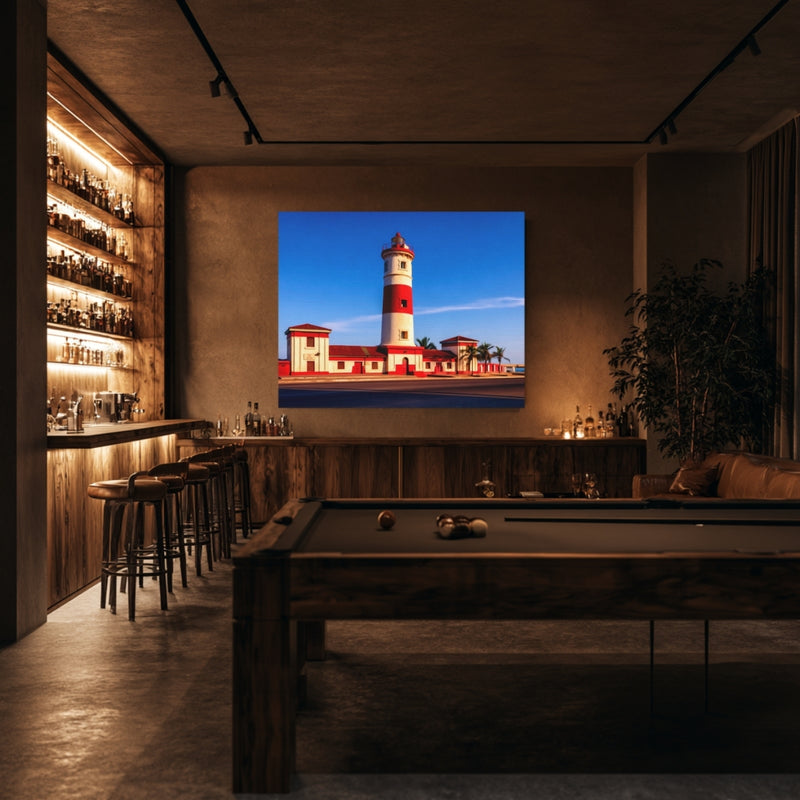
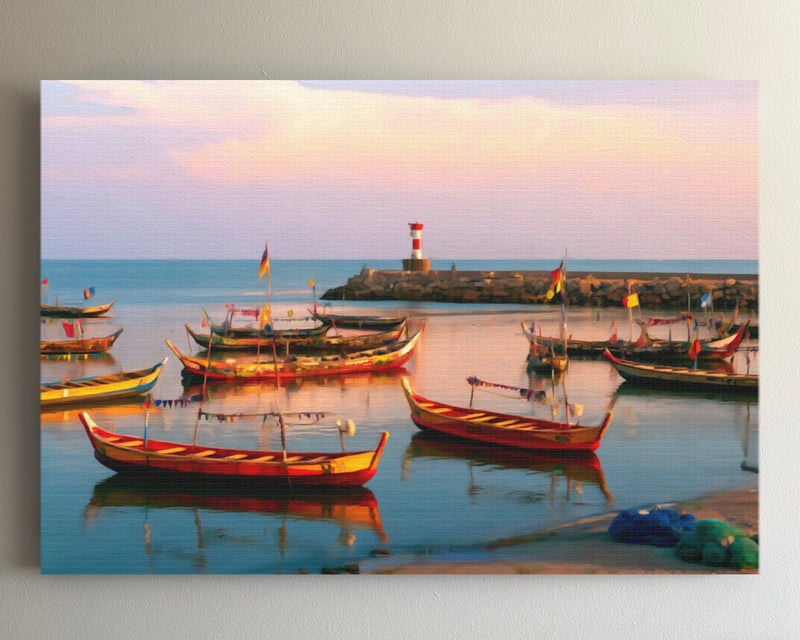
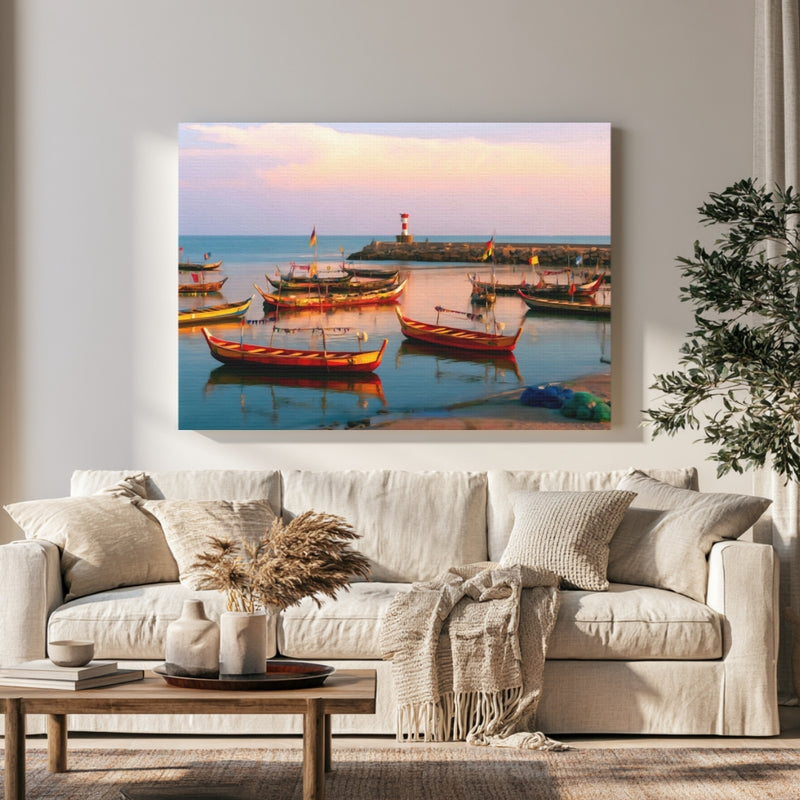
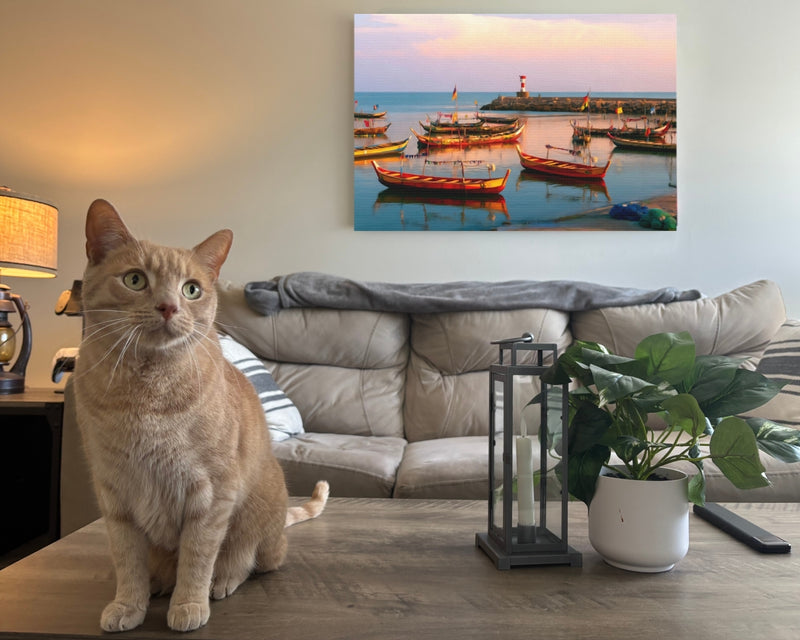
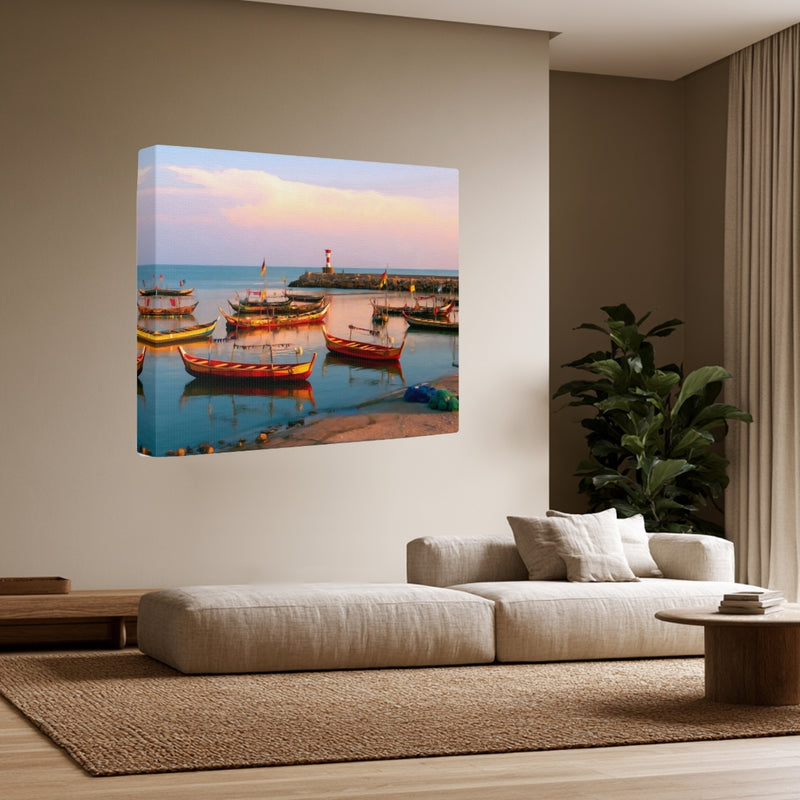
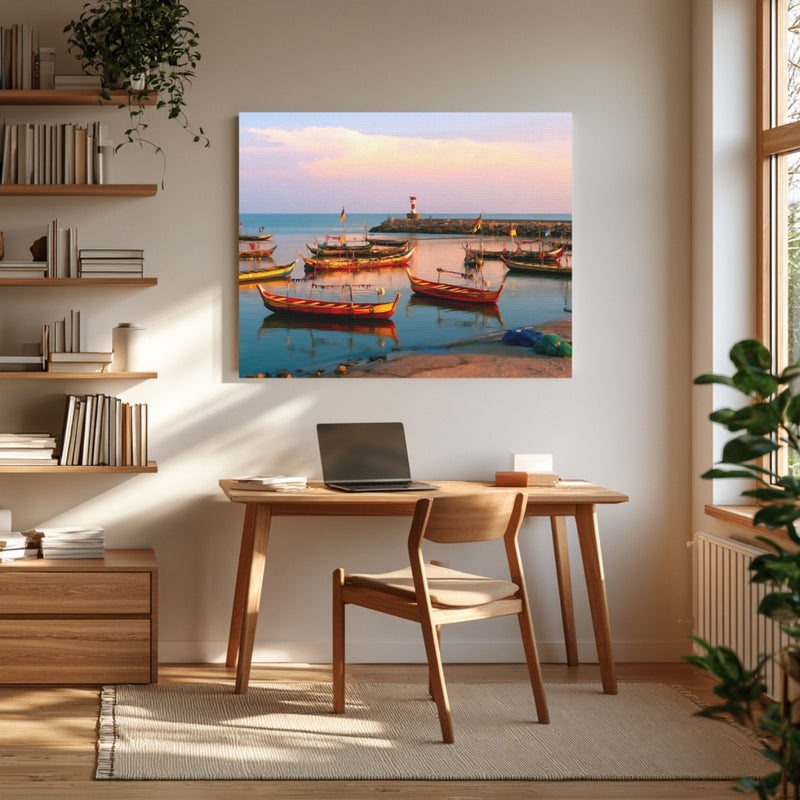
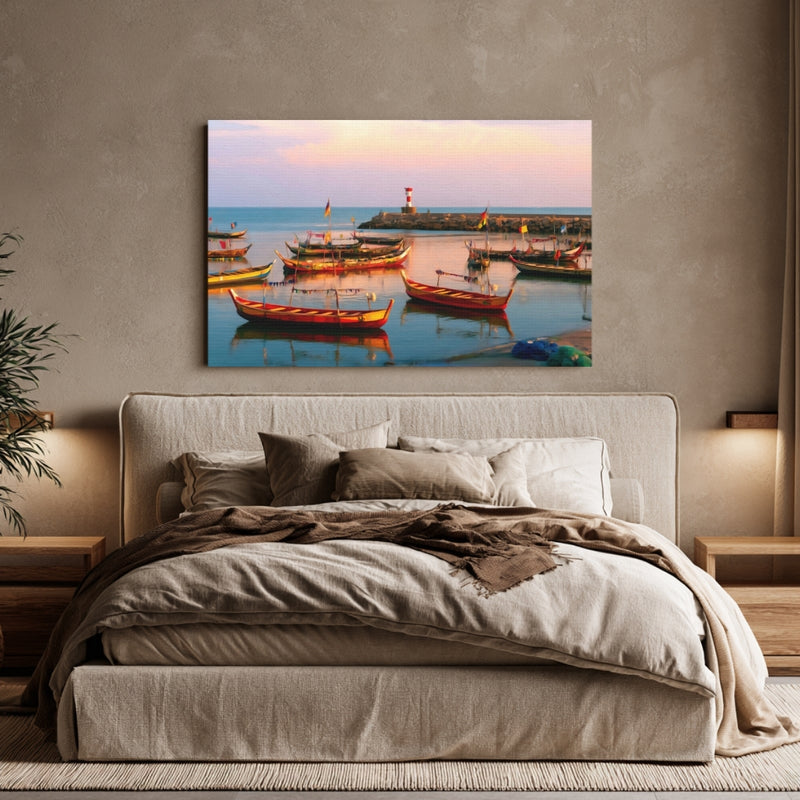
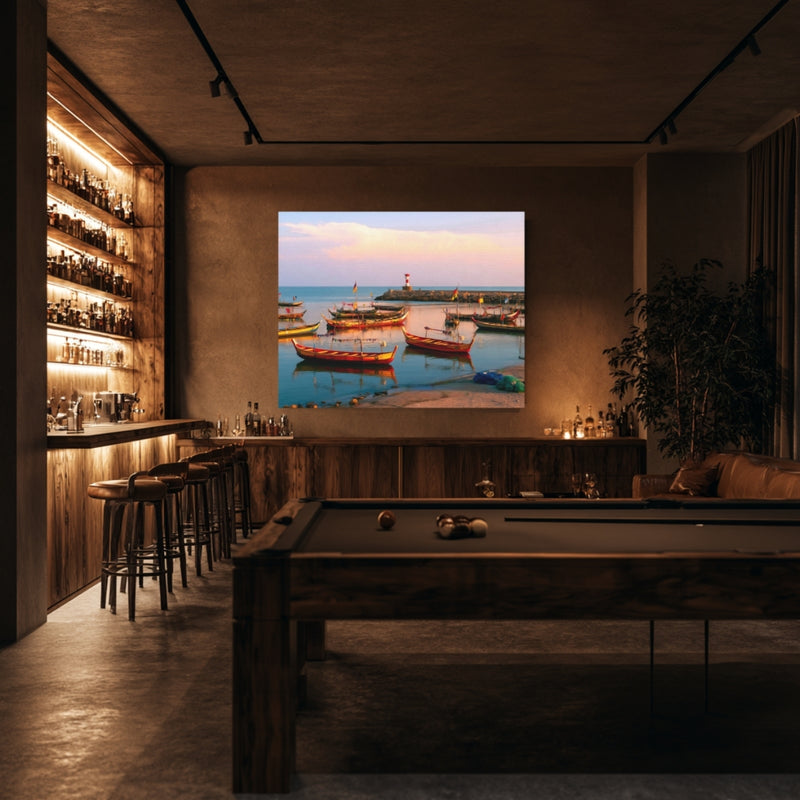
Original Series Gallery Canvas

This high-fidelity canvas is a beautiful way to anchor a room and keep your memories of Accra, Ghana fresh long after you've returned home.

Accra, Ghana | Original Series Gallery Canvas detail Accra, Ghana | Original Series Gallery Canvas detail Accra, Ghana | Original Series Gallery Canvas detail Accra, Ghana | Original Series Gallery Canvas detail
Add to Collection / $65

Original Series Hardboard Coaster

A personal study of Accra, Ghana, captured in high-fidelity watercolor and prepared for your collection.

Accra, Ghana | Original Series Hardboard Coaster
Add to Collection / $18
Exclusive Series Artifact

The Spirit of the Land

Archival Note: A curated field study of Accra, Ghana, prioritizing the specific atmospheric stillness of the region. These artifacts have been meticulously sourced from our global archival partners to represent the area’s unique cultural frequency and environmental character. This selection serves as a formal observation for our ongoing global archive, vetted for its visual accuracy and archival merit.

Accra, Ghana study No. 01
Accra, Ghana / 01 VIA / Ifeoluwa B.
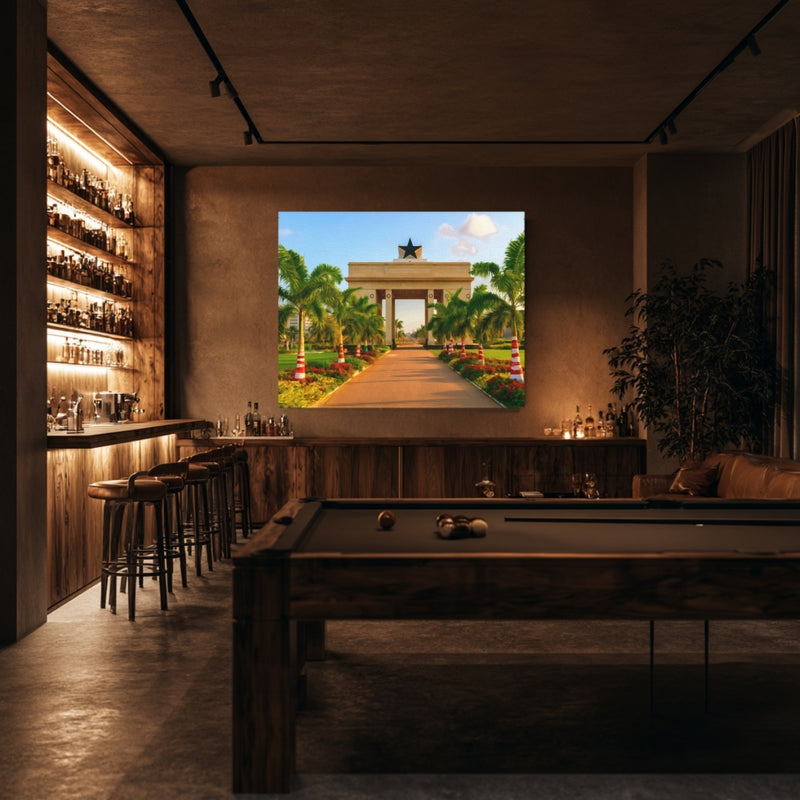
Standing tall beneath a bright, open sky, the iconic Independence Arch in Accra, Ghana, serves as a powerful reminder of freedom, unity, and the enduring strength of a nation. Framed by gentle palm trees and vibrant flora, the stone monument radiates a sense of quiet pride and peaceful optimism for the future. It’s an inspiring sight that captures both the rich history and the welcoming, hopeful spirit of the Ghanaian people.
Accra, Ghana study No. 02
Accra, Ghana / 02 VIA / Ana Kenk
Rising gracefully against a crisp blue sky, the Kwame Nkrumah Memorial Park monument stands as a breathtaking tribute to legacy and forward-looking hope. Surrounding water features and manicured lawns create a peaceful sanctuary that invites quiet reflection on a rich, foundational history. It is an inspiring symbol of enduring strength and unity, beautifully bridging the achievements of the past with a bright vision for tomorrow.
Accra, Ghana study No. 03
Accra, Ghana / 03 VIA / Maxx Sas
The elegant clock tower of the Balme Library rises with timeless dignity, standing as a proud beacon of knowledge and achievement in Accra. Framed by slender palm trees and bathed in soft, warm light, the historic architecture carries a peaceful, academic serenity that inspires a deep appreciation for learning and heritage. It feels like a place where history and the pursuit of a brighter future beautifully coexist in quiet harmony.

Where to wander

Archival Note: A curated field study of Accra, Ghana, prioritizing cultural relevance and archival merit. While we haven't touched down here yet, we’ve meticulously vetted these locations through our global network of contributors to ensure they represent the most authentic atmosphere for your own expedition.

Local Cuisine Spotlight
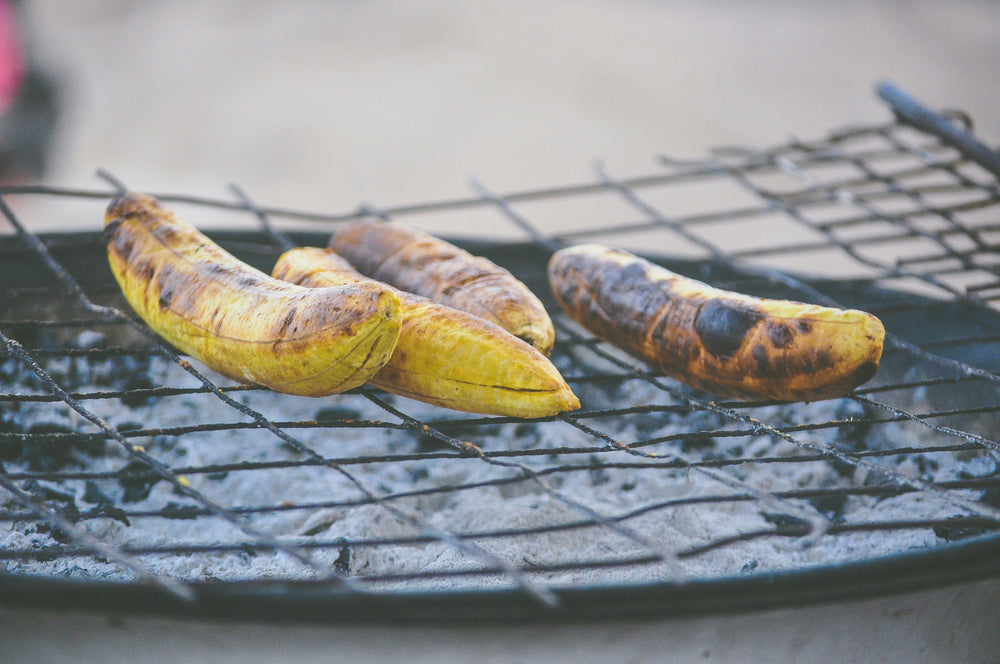
Sizzling gently over warm coals, sweet plantains caramelize to perfection, capturing the comforting essence of Accra's vibrant street food culture. This simple, time-honored culinary tradition brings people together, filling the air with inviting aromas and a sense of cozy, communal warmth. It is an uplifting reminder of how the everyday flavors of a city can spark joy, connection, and a deep appreciation for local heritage.
Credits: Victor Kwashie
Local cuisine study in Accra, Ghana

☕︎ Local Flavor

The Maquis: Tante Marie

Rating: 4.7★ | Price: $$ | Coordinates: 5.5571° N, 0.1969° W

Enter the most culturally embedded format of Ghanaian communal dining — the open-air maquis, a West African institution of plastic tables under a canopy where the kitchen produces the full daily vocabulary of Ghanaian home cooking at street prices. Tante Marie is the most respected maquis in Accra, and the kitchen documents the precise taxonomy of the Ghanaian diet: waakye — rice and beans cooked together with dried sorghum leaves that turn the dish a deep burgundy — served with shito black pepper sauce, fried plantain, spaghetti, and boiled egg. The maquis is the format where Accra's social life organizes itself around food, and understanding the waakye station is the single most direct entry point into the city's culinary culture.

View Entry Details

Buka Restaurant

Rating: 4.8★ | Price: $$$ | Coordinates: 5.6037° N, 0.1870° W

Occupy a table at the most serious document of contemporary West African cuisine in Accra, where the kitchen treats the full Ghanaian and broader West African ingredient palette — garden eggs, kontomire stew, palm nut soup, kelewele spiced fried plantain, and the smoked fish traditions of the Volta and Gulf of Guinea — as primary source material for a menu that refuses to defer to European reference points. Buka is the restaurant that established the argument that Ghanaian cuisine deserves its own fine dining context, and the palm nut soup with fufu — pounded cassava and plantain — is the finest preparation of Ghana's most important dish available in the city.

View Entry Details

Naadom Food Market

Rating: 4.6★ | Price: $ | Coordinates: 5.5502° N, 0.2169° W

Navigate the stalls of the Naadom market during the morning hours, where the vendors document the full material culture of the Ghanaian food economy: smoked herrings from the Elmina coast, dried shrimp and crayfish from the Volta delta, kontomire and garden egg from the peri-urban farms, and the full range of West African spices and dried ingredients that underpin the regional cuisine. The kelewele stalls — where ripe plantain is marinated in ginger, cayenne, and cloves before frying — are the most immediate sensory archive of Ghanaian street food and the most reliable barometer of the quality of a neighborhood's cooking.

View Entry Details

Jamestown Coffee Company

Rating: 4.7★ | Price: $$ | Coordinates: 5.5402° N, 0.2089° W

Enter the most historically embedded café in Accra — a specialty coffee roaster and social enterprise positioned in the Jamestown fishing quarter, the oldest district of the city, where the colonial-era lighthouse and the traditional canoe-building yards of the Ga fishing community are within walking distance. The coffee is sourced from Ghanaian highland farms and roasted on-site, and the café functions as a community anchor for the Jamestown regeneration project — a model of post-colonial urban renewal that treats the fishing community's cultural heritage as the primary asset rather than an obstacle. The Ga fish stew and the akara bean fritters served alongside the coffee complete the most culturally coherent breakfast experience in Accra.

View Entry Details

🛌︎ Boutique Stays

Kempinski Hotel Gold Coast City

Rating: 4.8★ | Price: $$$$ | Coordinates: 5.6037° N, 0.1870° W

Inhabit the finest hotel in West Africa — a 272-room tower in the Airport City business district that functions as the primary address for heads of state, business delegations, and cultural figures visiting Accra during the Year of Return era. The Kempinski is the most technologically complete luxury hotel in the sub-Saharan Africa region outside of South Africa, and the rooftop pool faces the Gulf of Guinea on the southern horizon. The hotel's position in the Airport City corridor places guests within fifteen minutes of Kotoka International Airport and within thirty minutes of the Kwame Nkrumah Mausoleum, Osu Castle, and the national museum.

View Entry Details

Labadi Beach Hotel

Rating: 4.6★ | Price: $$$ | Coordinates: 5.5571° N, 0.1389° W

Occupy the most historically significant hotel on the Gulf of Guinea coast — a 1960s institution on the Labadi beach that hosted the heads of state and cultural figures of the pan-African independence era and that remains the most recognizable address in Accra's hospitality landscape. The Labadi is set directly on the beach with access to the longest stretch of urban coastline in the city, and the outdoor bar and pool deck facing the Atlantic is the finest sunset viewing position in Accra. The hotel functions as a living archive of the postcolonial hospitality tradition in Ghana, and staying here is the most historically embedded accommodation option available in the city.

View Entry Details

The Hub Hotel

Rating: 4.7★ | Price: $$$ | Coordinates: 5.6156° N, 0.1731° W

Settle into the most design-forward boutique hotel in Accra — a property in the East Legon suburb that employs Ghanaian textiles, Kente cloth patterns, and Adinkra symbol motifs in a contemporary architectural vocabulary that functions as a statement of the post-colonial design confidence that defines the new Accra creative economy. The Hub is positioned in the most active restaurant and nightlife corridor in the city, within walking distance of the Osu Oxford Street commercial district and the East Legon gallery scene. It is the most contextually embedded accommodation for visitors wanting to engage with the contemporary Ghanaian creative culture rather than the diplomatic hospitality circuit.

View Entry Details

Osu Neighbourhood Stay

Rating: 4.7★ | Price: $$ | Coordinates: 5.5571° N, 0.1731° W

Occupy a privately managed apartment or guesthouse in the Osu district — the most culturally active neighborhood in Accra, where the Oxford Street commercial corridor, the Christiansborg Castle waterfront, the Osu night market, and the highest density of independent restaurants and bars in the city are all within walking distance. Staying in Osu rather than the Airport City hotel district places you inside the social architecture of Accra rather than adjacent to it, within earshot of the daily rhythm of a West African commercial neighborhood — the early morning market, the afternoon traffic, and the evening music from the chop bars and bars that line the side streets.

View Entry Details

📍︎ Field Study

Kwame Nkrumah Mausoleum and Memorial Park

Rating: 4.8★ | Price: $ | Coordinates: 5.5502° N, 0.2089° W

Enter the memorial park built on the former polo grounds where Kwame Nkrumah declared Ghanaian independence on March 6, 1957 — the precise coordinates where the first sub-Saharan African country to achieve independence from European colonial rule announced its existence to the world. The mausoleum is a black and white striped marble structure surrounded by a reflecting pool and fountain statues of Nkrumah in multiple postures, set within a park that functions as both a state memorial and a daily public gathering space for Accra residents. The adjacent museum documents the full arc of Nkrumah's political biography, from his education at Lincoln University in Pennsylvania to his role as the architect of pan-African ideology and the founding father of the Organisation of African Unity.

View Entry Details

Cape Coast and Elmina Castles: Day Trip

Rating: 4.9★ | Price: $$$ | Coordinates: 5.1053° N, 1.2466° W

Drive three hours west along the Gulf of Guinea coast to the two most important slave trade monuments in West Africa — Cape Coast Castle and Elmina Castle, the primary departure points for enslaved Africans crossing the Middle Passage to the Americas between the seventeenth and nineteenth centuries. The Door of No Return at Cape Coast Castle is the most emotionally significant architectural threshold in the Atlantic world: the point where an estimated 12.5 million enslaved Africans passed from the holding dungeons beneath the castle onto the slave ships in the harbor below. The guided tour documents the full chain of the slave trade from the inland capture to the Atlantic crossing, and it is the essential historical visit for understanding the relationship between West Africa and the African diaspora that the Year of Return programme was designed to address.

View Entry Details

Makola Market: Guided Walk

Rating: 4.6★ | Price: $$ | Coordinates: 5.5471° N, 0.2089° W

Navigate the largest and most chaotic market in Accra with a guide who decodes the spatial logic of the West African trading economy — the fabric stalls where Kente cloth, batik, and imported wax print are sold by the yard, the hardware section where secondhand electronics from across the globe are repaired and resold, and the food section where the full material culture of the Ghanaian kitchen is available at prices that make the tourist markets of Osu look like fiction. Makola is the primary commercial archive of Accra and the most honest cross-section of the city's economic life. The women traders — the market queens — control the pricing and flow of the entire market and represent one of the most significant concentrations of informal economic power in West Africa.

View Entry Details

National Museum of Ghana

Rating: 4.5★ | Price: $ | Coordinates: 5.5571° N, 0.2009° W

Enter the primary archive of Ghanaian material culture — the National Museum established in 1957 in the first year of independence, housing the definitive collection of Kente cloth, Asante goldwork, traditional weapons, and archaeological material from the major Ghanaian civilizations. The Asante goldwork collection is the most important single assembly of pre-colonial West African precious metalwork outside of Kumasi, documenting the goldsmithing tradition of the Asante kingdom that produced the objects that gave the Gold Coast its name. The museum is the essential instrument for understanding Ghanaian cultural history before the colonial period and for calibrating the relationship between the pre-colonial Asante empire, the Gold Coast colony, and the independent Ghanaian state.

View Entry Details

Typography

Archival Note: A formal technical study of Accra, Ghana—archiving the coordinates, elevation, and environmental data that define the region. This data serves as a vital record for our ongoing global field study, allowing us to reconstruct the regional atmosphere with archival precision before our physical arrival.

Botanical and pigment specimen study for Accra, Ghana Colors of Accra, Ghana
Coordinates
5.5502° N, 0.2169° W — Gulf of Guinea coastal plain, Greater Accra Region, southern Ghana
Historical Epoch
Ga settlement before 1500 CE. European trading forts from 1482 to 1650. British Gold Coast colony from 1877. Ghanaian independence on March 6, 1957.
Elevation
61 m / 200 ft. Low coastal plain sitting just above sea level across the Greater Accra metropolitan area.
Atmosphere
Tropical Savanna (Aw). Dry harmattan November through March, wet season April through October with two rainfall peaks, warm year-round with sea breeze.
Observation Hour
06:30 AM. Amber Gulf of Guinea light arrives before the harmattan haze builds, casting warm color across the laterite soil and Nkrumah Mausoleum marble.
Primary Pigment
Kente Gold (#C8952A) and Laterite Red (#B5522A)
Best Time to Visit
November through February. Dry harmattan brings clear skies, low humidity and comfortable temperatures ideal for photography and the Cape Coast day trip.
Avoid Visiting
May through June. Peak wet season brings heavy daily rainfall and flooding in low-lying areas making outdoor visits less practical.

The Local Tongue

Language is the invisible architecture of Accra, Ghana. These entries document the regional vocabulary—capturing the "texture" of local speech that standard translations often miss. Hand-curated expressions reflecting the specific spirit and daily rhythm of the region.
Archival study of Twi cultural texture

via / Michael Quaynor

Primary Language Twi
Regional Dialect Akan Twi

Akwaaba (ɑːkˈwɑːbə)

Welcome in Twi and the most widely known word in Ghana, understood across all eighty languages and used at the entrance of every shop, hotel and home in Accra. The warmth with which it is consistently delivered is one of the most immediately striking things about the city.

Medaase (mɛˈdɑːseɪ)

Thank you in Twi, spoken by about twenty million people across Ghana, Ivory Coast and the diaspora. Saying medaase correctly with the stress on the second syllable is one of the most direct ways to signal genuine respect.

Ɛte sɛn (ɛˈteɪ sɛn)

How are you in Twi, and the phrase that opens social interactions in Accra's markets, chop bars and neighborhood streets. The correct response is ɛyɛ meaning I am fine, and even two phrases of Twi produces an immediate warmth that no amount of English can replicate.

Wait! before you go...

Before you head over to Accra, Ghana, we’ve audited the essential data points for this corner of the world. These notes cover the logistics—from currency ratios to transit hubs—to help you navigate the landscape with clarity.
🚲 Getting Around Uber works reliably throughout the city and is absolutely the recommended way to get around. Rental cars are worth considering for the Cape Coast day trip which is a 3 hour scenic drive west along the Gulf of Guinea coast.
⚖️ Cash or Card Accra is the most card-friendly city in West Africa with Visa and Mastercard accepted at all major hotels, restaurants and malls. Lean about 70% card and keep 30% Ghanaian Cedi cash for markets, street food and smaller everyday transactions.
☁️ Good to Know The Cape Coast castle day trip (3 hours west) is emotionally demanding and needs a licensed guide for proper historical framing so book it through a reputable operator rather than trying to manage it independently. Hit Makola Market on a weekday morning when the energy is most electric and bring a face covering for harmattan dust season from December through February.
🏧 ATMs ATMs are at Kotoka Airport, Accra Mall and along Oxford Street in Osu with GCB Bank, Ecobank and Standard Chartered all working reliably with international Visa and Mastercard. Forex bureaus on Oxford Street offer competitive rates for USD and GBP cash.
💳 Currency You'll be spending Ghanaian Cedis (GHS) which is the sole legal tender and the exchange rate is competitive at forex bureaus which give better rates than hotel desks. Mobile money (MTN MoMo) is brilliantly easy to use for local transactions throughout the city.
🔌 Plugs Ghana uses both Type D (three round-pin) and Type G (three rectangular flat-pin UK standard) plugs at 230V. Bring a universal adapter to cover both types and a portable power bank since power outages called dumsor occur periodically.
🛡️ Safety Accra is a safe and genuinely welcoming city in all the main visitor areas including Osu, Airport City, East Legon and Labadi. Exercise standard big city awareness at Makola Market and in Jamestown after dark and use Uber rather than unmarked taxis.
✈️ Airports Kotoka International Airport (ACC) is just 8 km from the city center, about 20 to 40 minutes by Uber depending on traffic. Direct flights connect from London (6.5 hrs), Amsterdam (6.5 hrs), New York (10 hrs), Dubai (8 hrs) and Frankfurt (7 hrs) plus great connections to Nairobi, Johannesburg, Lagos and Addis Ababa.

Behind The Scenes

Nathan

Note from the Founder

Hey, did you know this fun fact about Accra, Ghana? Ghana was the first sub-Saharan African country to win independence from European colonial rule on March 6, 1957 and Nkrumah's declaration that day became the direct inspiration for thirty-two other African independence movements that followed by 1970!
Thank you for exploring the Accra, Ghana series with us. We hope these notes have inspired you to add this incredible destination to your own passport—we are so glad you’re here. — Nathan

The Magnets

The Coasters

The Canvas