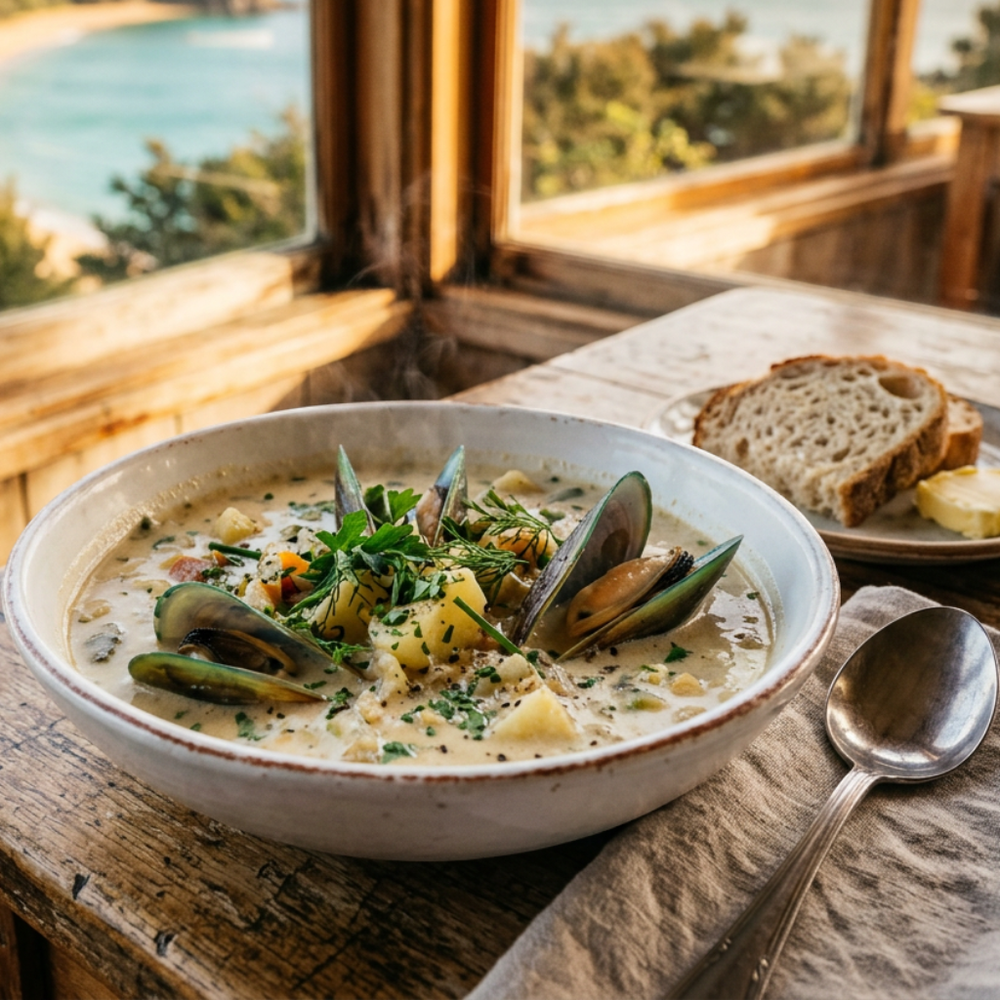
Local Cuisine Spotlight

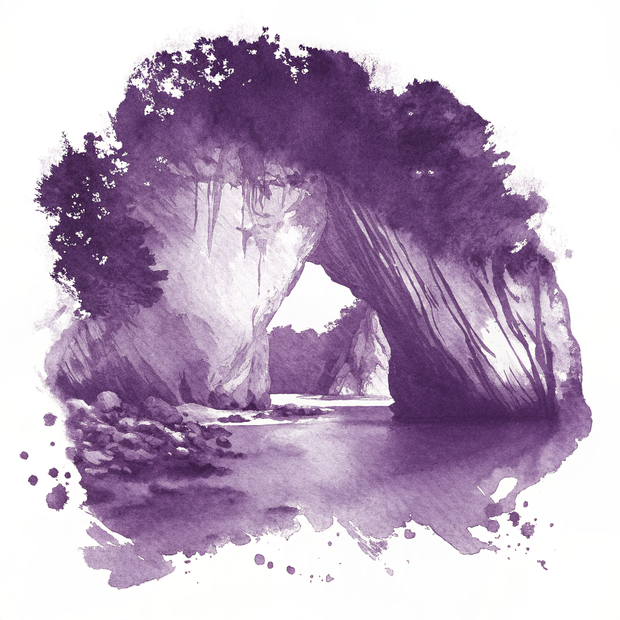
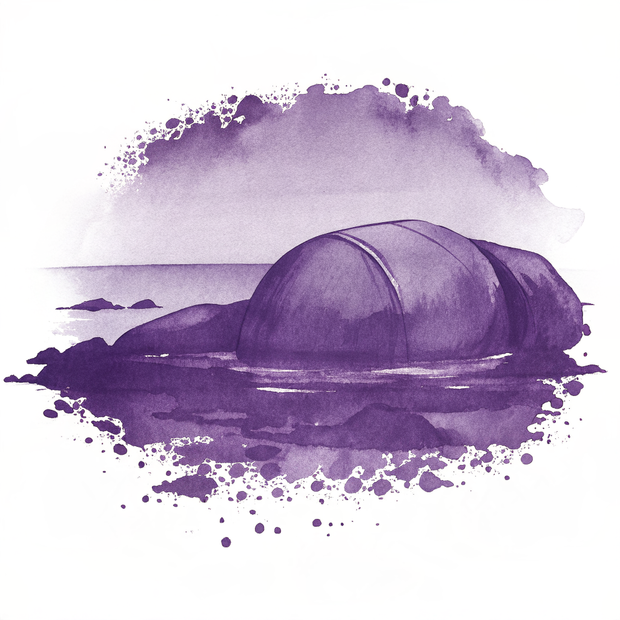
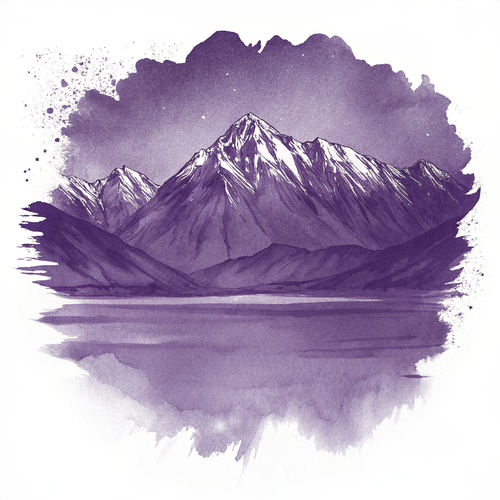
Now representing Abel Tasman National Park — 1 original piece, each hand-crafted in watercolor.
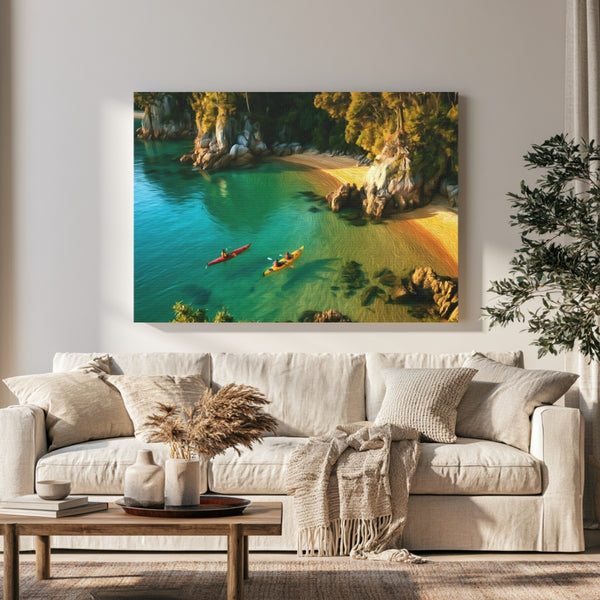
Abel Tasman is New Zealand's smallest national park and its most quietly spectacular. Stretching along the top of the South Island, it stitches together a coastline of amber granite headlands, turquoise tidal inlets, and dense native bush that glows electric green after rain. The park takes its name from Dutch explorer Abel Janszoon Tasman, the first European to sight New Zealand in 1642, though Maori had long known this coast as a place of abundant shellfish and sheltered passage. There is a particular quality of light here in the late afternoon when the sun drops low over Tasman Bay and turns the water from blue to molten copper, and the pohutukawa trees along the shore catch that warmth in their twisted red branches like they are holding the day in place.
Every canvas is painted from a real place. Explore the map to see exactly where each scene lives — and wander Abel Tasman National Park the way a traveler would, one landmark at a time.
Keep Exploring
Archival Note: A curated field study of Abel Tasman National Park, New Zealand, prioritizing the specific atmospheric stillness of the region. These artifacts have been meticulously sourced from our global archival partners to represent the area's unique cultural frequency and environmental character. This selection serves as a formal observation for our ongoing global archive, vetted for its visual accuracy and archival merit.


Archival Note: A curated field study of Abel Tasman National Park, New Zealand, prioritizing cultural relevance and archival merit. These locations have been meticulously researched and vetted to ensure they represent the most authentic atmosphere for your own expedition.
Archival Note: A formal technical study of Abel Tasman National Park, New Zealand, archiving the coordinates, elevation, and environmental data that define the region. This data serves as a vital record for our ongoing global field study, providing the technical foundation behind every atmospheric detail captured in our visual work.
 Colors of Abel Tasman National Park, New Zealand

via / Mario Amé


